A campus on edge: life, loss and the rush for jabs in Kent
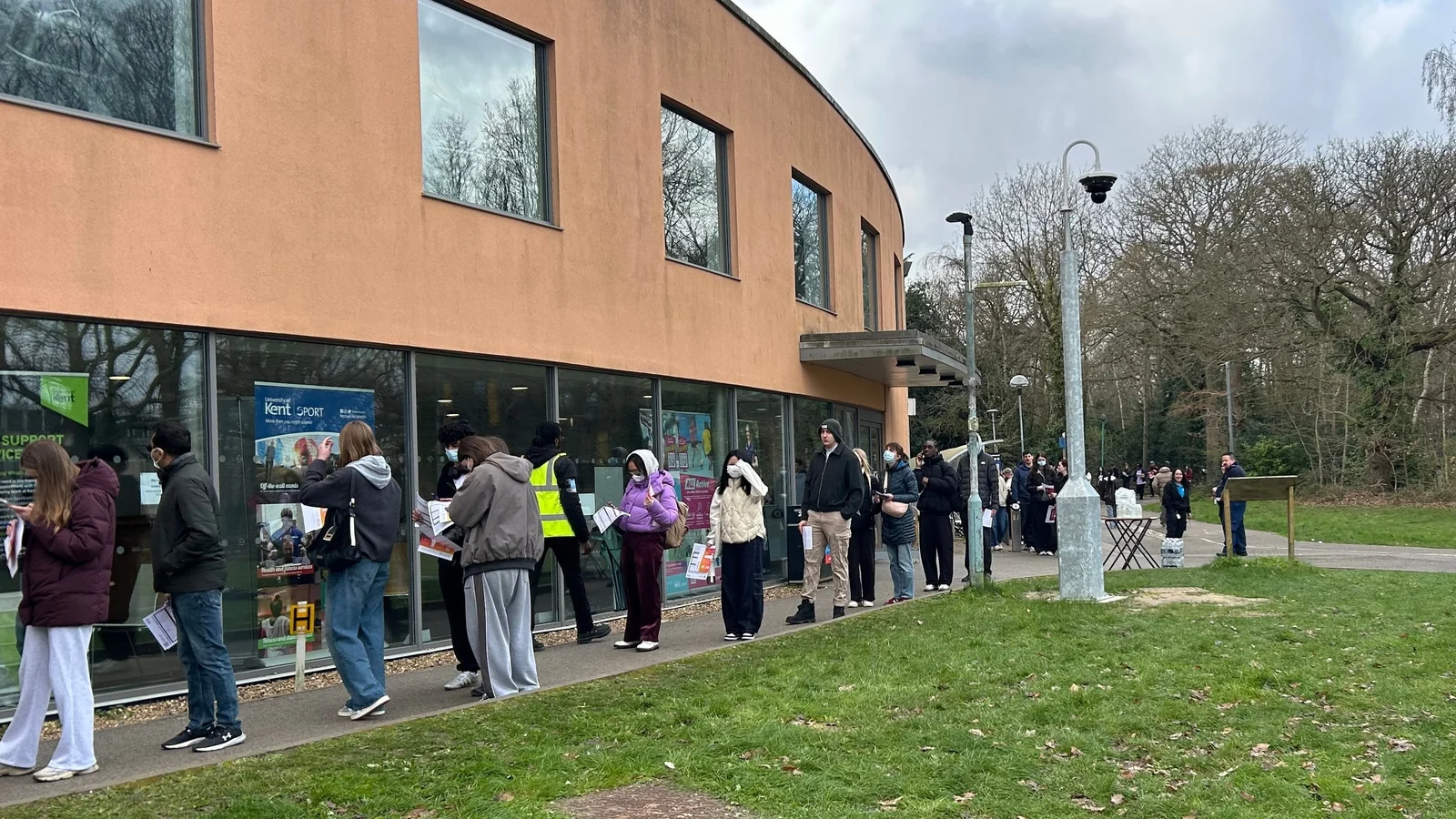
The scene outside the University of Kent clinic looked like something other than a routine public-health response: a human river, stretching from the doors of a low-slung medical centre down toward elm-lined pathways, faces hooded against wind, backpacks slung, breath visible in the air.
More than 400 students and community members queued for vaccines on the weekend, and by last night local health authorities had recorded 34 people linked to the outbreak—23 confirmed cases and 11 still under investigation—according to the UK Health Security Agency (UKHSA). NHS Kent and Medway reported that 5,794 vaccine doses had been administered and 11,010 courses of prophylactic antibiotics dispensed across the county so far.
These numbers are not abstract. They represent sleepless nights, phone calls home, and the unsteady pause that follows the news that two young people have died. One of them, 18-year-old Juliette Kenny, was remembered by her family as “fit, healthy and strong.” The other was a student from the University of Kent whose death has also shaken the campus community.
Up close: the human texture of an outbreak
“When you get that alert on your phone, everything goes quiet for a moment,” said Aisha Rahman, a third-year student studying anthropology who waited three hours for a jab. “You start thinking of all the small things—late-night pizza, shared mugs, group projects. Things you never thought of as risky suddenly feel heavy.”
The clinic is a hub of controlled urgency. Nurses in scrubs move with practiced calm, volunteers hand out water and leaflets, and students rotate between anxious stretches and forced jokes to pass the time. “We’re doing everything we can to keep people safe,” said a clinical lead at the university, who asked not to be named so they could speak candidly about the logistics. “Vaccination drives, antibiotics for close contacts, constant communication. But you can’t take away the fear.”
Why campuses are vulnerable
Universities are, by design, dense social ecosystems. Crowded lecture halls, shared accommodation, late-night socialising—these are the conditions through which respiratory and close-contact infections can travel. Meningococcal disease, caused by the bacterium Neisseria meningitidis, can be particularly fast and severe. Symptoms often begin like a simple flu—fever, headache—but can escalate rapidly to neck stiffness, rash, and confusion. In worst cases, it can lead to sepsis or death within 24 to 48 hours.
“Young adults are a key demographic for meningococcal carriage,” explained Dr. Marcus Liu, a public health specialist. “They’re not always symptomatic, but they can transmit the bacteria to others. That’s why targeted vaccination and prompt antibiotic prophylaxis for close contacts are essential to halt transmission.”
Numbers, nuance, and what the data tell us
The county’s response has been robust: six clinics established across Kent offering antibiotics and vaccines to those eligible. Over 11,000 antibiotic courses have been issued—a precautionary measure commonly used to reduce immediate risk to close contacts—while nearly 6,000 vaccine doses have been administered, chiefly to students and others identified as being at elevated risk.
It’s worth pausing to understand what those vaccines do. The UK routinely uses MenACWY (protecting against serogroups A, C, W and Y) for adolescents and has a MenB vaccine for the serogroup B strain, which in recent years has been a major cause of meningococcal disease in the UK. Widespread adolescent vaccination programs introduced in past years aimed to curb spikes in some serogroups, but outbreaks can still occur, particularly in settings of close contact.
How people are reacting
“I came down as soon as I could,” said Tom Ellis, a first-year student who travelled from his flat to the campus clinic. “You can’t put a price on peace of mind. My mum was frantic; she kept saying ‘get it done, get it done.’”
Others voiced frustration with the speed of information. “The updates are frequent, but we want clarity,” said Sophie, a postgraduate student involved in the student union. “People are worried about exams, about attending lectures and whether isolation rules apply. The university has tried to be helpful, but there’s a lot to juggle.”
What to know—and what to do
If you live in or near Kent, or are part of a campus community anywhere, these basics matter:
- Recognise the signs: fever, severe headache, stiff neck, sensitivity to light, confusion, and a distinctive rash that doesn’t fade when pressed.
- Seek urgent medical attention if symptoms appear. Early treatment is life-saving.
- If identified as a close contact, follow advice on antibiotics and vaccination from public health authorities—these measures reduce risk quickly.
- Practice common-sense hygiene: avoid sharing drinks or cigarettes, cover coughs, and keep living spaces ventilated where possible.
Bigger questions: community, trust, and the limits of privacy
Outbreaks like this one force communities to balance privacy with public safety. Universities must quickly identify and inform those at risk, yet many students worry about stigma or unwanted exposure. “We have to protect confidentiality while getting the message out,” said a student welfare officer. “That’s a delicate line.”
There’s also a larger conversation about preparedness. Across the world, institutions grapple with how to respond to sudden infectious threats on campus. Investment in rapid testing, vaccination outreach, and mental-health support are not luxuries—they’re foundational to resilient universities.
Ask yourself: when news like this shows up on your phone, what do you do next? Do you call a friend? Do you head to a clinic? Or do you wait, hoping it won’t touch your life? These small choices are part of how communities either contain a threat or let it spread.
After the immediate rush
As the initial surge for jabs slows, a quieter task begins—supporting those who are grieving, dispelling rumors, and stitching back a sense of normalcy into student life. Candlelight vigils and quiet gatherings pepper campus calendars, but so do administrative meetings, vaccination catch-up drives, and expanded counselling services.
“This is more than an epidemiological event,” reflected Dr. Liu. “It’s a human event. Two lives were lost. The rest of us need to respond with care—not only with medicine but with compassion.”
In the days ahead, the figures—34 linked cases, thousands reached with antibiotics and vaccines—will be parsed, debated, and placed into public-health reports. But behind every statistic is a story: of families interrupted, friendships tested, and a campus that had to grow up very quickly.
If you are in Kent or part of a similar community, take the practical steps. Check official channels for updates. Talk to friends and family. If you get vaccinated, tell someone why. Stories travel fast, and sometimes, so do the actions that save lives.