On the Atlantic, a Quiet Alarm: The MV Hondius and the Shadow of Andes Hantavirus
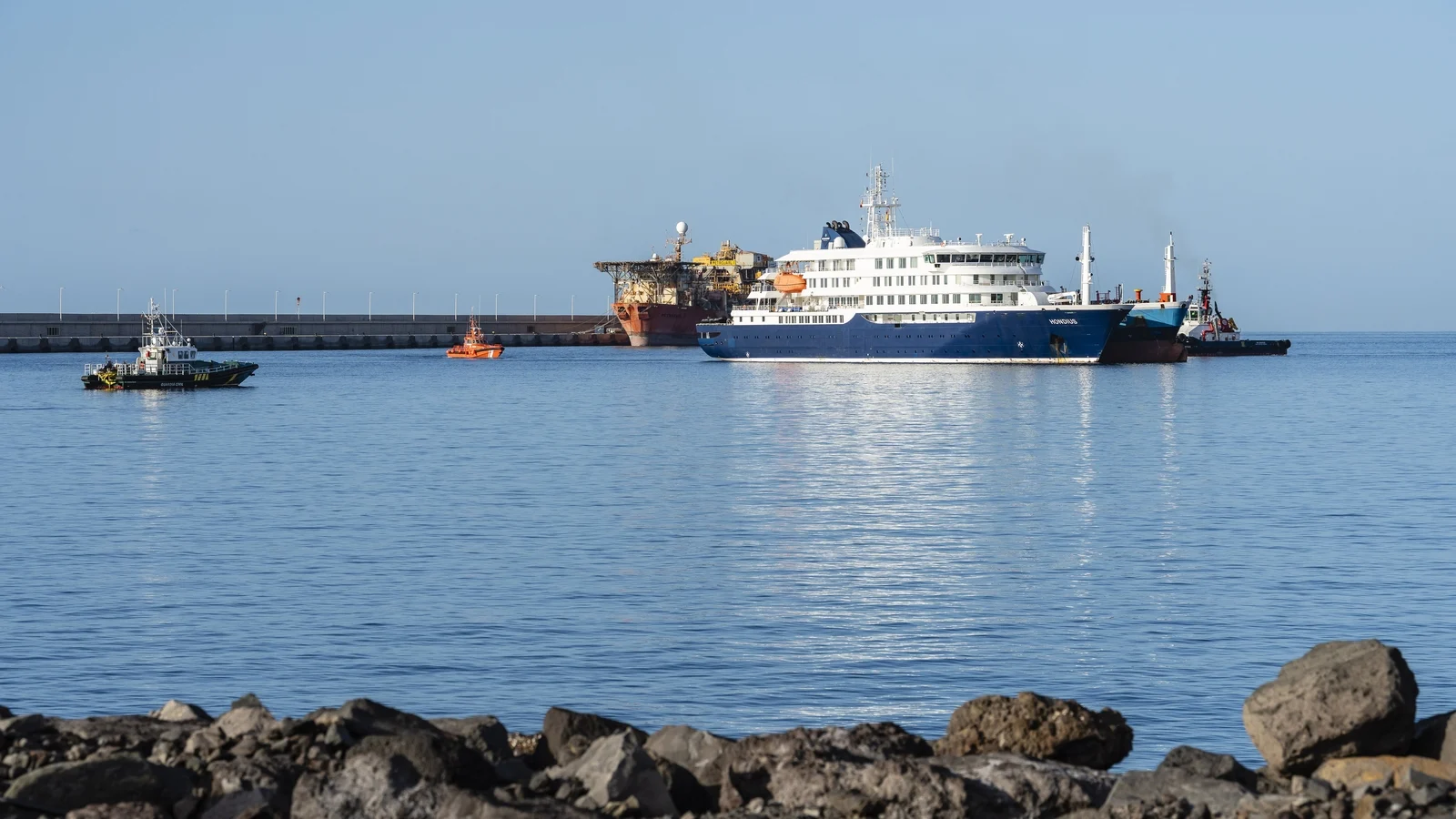
When the MV Hondius slipped away from Argentina on April 1, passengers settled into the familiar rhythm of a long ocean crossing: morning coffees on deck, guide-led lectures about penguins and glacial geology, slow afternoons of card games and new friendships. Nobody boarded thinking their voyage would become a global public-health headline.
And yet, somewhere between the cold blue of the South Atlantic and the bustle of international ports, a small rodent-borne virus made its presence felt. Canadian officials have now confirmed that one of four people identified as high-risk from that cruise has tested “presumptive positive” for the Andes hantavirus, a rare but serious illness. The patient, who is one of four Canadians linked to the cluster, and a spouse with minor symptoms were transported to hospital on Friday and are in isolation as tests are finalized.
The unfolding on the ship
Stories from onboard describe an increasingly taut atmosphere: cabins turned into quarantine rooms, corridors that once hummed with card players and chatter now punctuated by measured footsteps and muffled conversations. “You could feel the whole ship hold its breath,” said one passenger, a retired teacher from Vancouver who asked to remain unnamed. “We were used to close quarters, but this was different—everyone kept their distance, eyes on their phones for updates.”
Public health authorities in British Columbia reported that one of the four high-risk individuals being monitored has returned a presumptive positive result. A third person who had been isolating in secure lodgings was also moved to hospital for assessment, officials said. Confirmatory tests are expected within days. Globally, the death toll in this outbreak remains at three, a grim reminder of how lethal hantaviruses can be.
Why the Andes hantavirus sounds different
Hantaviruses are not new to medical science. Across the Americas they have been associated with hantavirus pulmonary syndrome (HPS), a severe respiratory illness with case fatality rates that can exceed 30 percent in some outbreaks. What sets the Andes strain apart is its rare ability to transmit from person to person—a feature that has made health authorities particularly vigilant.
“Human-to-human spread is not the norm for most hantaviruses,” explains an infectious-disease specialist who has worked on outbreak responses in South America. “But with Andes, we have documented limited transmission, usually associated with close, prolonged contact—household members, caregivers, that kind of exposure.”
The virus’s natural reservoir is not people at all but rodents—specifically species such as the long-tailed pygmy rice rat (Oligoryzomys longicaudatus) in Andean regions—spread through inhalation of contaminated dust or direct contact with rodent excreta. On a cruise ship, the dynamics change: shared spaces, close social bonds and prolonged exposure can increase the risk of onward transmission if someone becomes ill.
Voices from the voyage
“I wasn’t scared so much as overwhelmed,” said a crew member who helped ferry isolated passengers to secure cabins. “You train for storms and medicals, but you don’t train for a virus that might come from the land and follow someone aboard. We moved quickly to contain things—masks, deep cleaning, dedicated routes to hospital.”
Back on shore, public health officials have leaned into reassurance. “At this moment, the overall risk to the general population in Canada remains low,” a spokesperson for the national health agency said in a statement. “We are working closely with provincial partners to monitor contacts and ensure testing and care for anyone who needs it.”
Still, for families watching their loved ones’ test results, reassurances can feel thin. “It’s a frightening kind of waiting,” said the brother of one passenger. “You imagine all the worst-case scenarios and try not to dwell on them. The waiting room becomes its own kind of storm.”
What we know — and what we don’t
Certain facts are clear. There are no licensed vaccines or targeted antiviral treatments for hantavirus infections; care is supportive and, in severe cases, involves intensive respiratory support. Incubation can span days to weeks, and early symptoms—fever, fatigue, muscle aches—can be deceptively flu-like before respiratory distress appears.
Other uncertainties remain. How many people aboard were exposed to the same index case? Were there gaps in rodent control at the port of origin? Were any crew members or shore personnel potentially exposed? These are the questions outbreak investigators will parse in the coming days, relying on contact tracing, genomic analysis and good old-fashioned patient interviews.
- Number of Canadians identified as high-risk from the MV Hondius: 4
- Presumptive positive cases reported: 1 (tests pending confirmation)
- Global deaths linked to the outbreak so far: 3
- Preventive measures: isolation, personal protective equipment, contact tracing
Beyond this ship: what it means for travel, zoonoses and preparedness
This episode is a microcosm of larger forces at play. The past two decades have taught us that zoonotic spillovers—from bats, rodents, and other wildlife—are not rare blips but recurring phenomena, amplified by travel, urbanization and environmental change. Cruise ships, with their blend of international passengers and close quarters, are uniquely sensitive environments for infectious risks.
“We cannot afford to treat each incident as an isolated event,” said a public-health academic who studies travel-related outbreaks. “We are living with an evolving risk landscape. Surveillance, rapid testing, transparent communication and cross-border cooperation are the pillars of an effective response.”
And while comparisons to the COVID-19 pandemic are inevitable—people confined, newsfeeds full of speculation—officials have been quick to caution against direct analogies. Hantaviruses behave differently; the risk to broad populations appears low. Yet the human dimensions—fear, uncertainty, the strain on healthcare and families—feel painfully familiar.
What passengers and the public can do
If you’re planning travel, especially to regions where hantaviruses have been recorded, simple steps reduce risk: avoid contact with rodents and their droppings, keep accommodations rodent-free, practice good hygiene, and consult local health advisories. On ships, follow crew instructions and report symptoms early.
“If you’re on a voyage and feel unwell, speak up,” urged a senior nurse who has worked in maritime health. “Early detection saves lives. And for everyone else: stay informed, avoid panic, but don’t dismiss precautions as overkill.”
Questions to carry home
How should we balance the comforts of travel with the reality of emerging infectious threats? What systems must be strengthened so that a health scare on a ship can be contained without isolating whole communities? And perhaps most humanly: how do we comfort those who are waiting—children, partners, friends—when answers are slow to arrive?
The MV Hondius is only one vessel on a vast sea. But its story—of a tiny pathogen, a handful of frightened people, and clinicians and officials racing to contain risk—reverberates far beyond any single cruise itinerary. It offers a reminder: in an interconnected world, vulnerability can arrive quietly, and our best defense is speed, compassion and science working together.