Home Blog Page 37

French passenger returning from cruise tests positive for virus

French passenger positive for virus on return from cruise
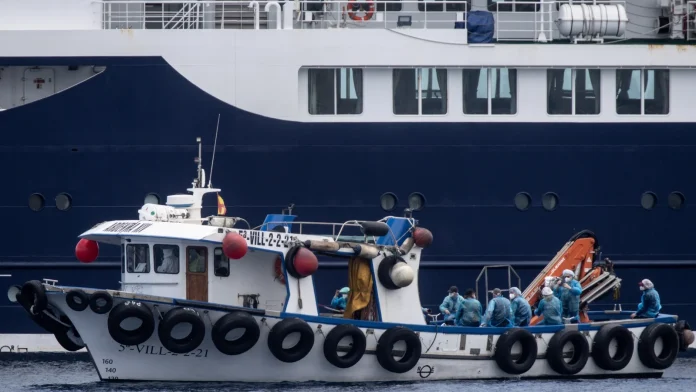
Passengers were evacuated by small boats from the MV Hondius in the Granadilla Port in Tenerife yesterday

Anchored Fear: A Cruise Ship, a Rare Virus, and the Small, Looming Questions of Our Time

There is a strange hush that falls over a port when an illness becomes a headline: fishermen still mend nets along the quay, tourists keep ordering coffee, and somewhere nearby a cruise ship bobs like an island of contained anxiety. Off the coast of Tenerife in the Canary Islands, the MV Hondius has become precisely that—an unlikely locus of worry, grief and logistical choreography as nations scramble to contain a hantavirus outbreak aboard the vessel.

The facts are stark enough to pierce the ordinary hum of news cycles: eight people who once sailed on that ship have fallen ill, six of them confirmed to have hantavirus. Three people—identified in official tallies as a Dutch couple and a German national—have died. The World Health Organization has urged a precautious path: a 42-day quarantine for all passengers. For travelers and policy makers alike, what feels new isn’t so much the disease itself but the way our interconnected world turns a single case into an international operation.

What happened on the MV Hondius?

The story, as health officials describe it, began to surface in early May. A British passenger became ill in Johannesburg on May 2—21 days after another passenger on the same voyage had died. As alarm bells rang, the ship cut a course toward Spain, anchoring near Tenerife, the largest of the Canary Islands.

Countries moved quickly. Ireland, Spain, France, the United States, Australia, the Netherlands and New Zealand all organized evacuations or repatriations for their citizens. The United States Department of Health and Human Services disclosed that among 17 Americans being repatriated, one tested PCR-positive for the Andes virus and another was showing mild symptoms; both were transported in aircraft biocontainment units. France, meanwhile, revealed one of its returned passengers has tested positive and is deteriorating, while four others tested negative but will be retested—French authorities say they have traced 22 close contacts.

Why hantavirus feels different — and why it shouldn’t be dismissed

“This is not Covid,” said Dr. Ana Morales, an infectious disease specialist I spoke to who has worked on outbreaks in South America. “But it is serious. Hantaviruses are typically transmitted from rodents, via droppings or urine, and the Andes strain can, in rare circumstances, pass from person to person during very close contact.”

Historically, Andes virus infections have come with a heavy toll. Case-fatality rates in some outbreaks have hovered in the 30–40 percent range, depending on the promptness of care and local health capacity. That statistic is sobering, but it is not a prophecy. Most people exposed to hantaviruses never transmit the infection to others; most outbreaks have remained small and containable.

“What we’ve gained from recent pandemics is not just fear—but tools,” said a WHO epidemiologist, speaking on condition of anonymity. “Contact tracing, rapid testing, isolation protocols—these have tightened. The WHO’s 42-day quarantine recommendation for passengers is cautious but sensible: the incubation period and the severity of potential disease warrant that window.”

The human stories beneath the headlines

Numbers tell one part of the story. The rest lives in the moments that don’t fit into a press release: the family on Edge of a seat in Baldonnel Airfield when Irish evacuees touched down; the steward who wiped down a cabin twice and still worries; the Australian official coordinating a charter flight as local authorities finalize quarantine sites.

“I felt a knot in my stomach when they told us we’d be going home,” said “Marta,” a passenger who preferred not to use her full name. “We were happy to leave the uncertainty, but you carry the faces of the people who are sick. You think: Did I touch that hand? Did I share a meal with them?”

Local scenes in Tenerife were quieter than the crisis felt. Cafés along the harbor still sell churros, and market sellers display bananas—Canary Islands produce is famous across Spain. A port worker leaned on a railing and said with a shrug, “Ships come and go. We treat them with care. But this, yes, it made people edge up to the rail and peer.”

Official lines and the reality of moving people

Governments have had to make quick, careful choices. France’s health minister spoke about acting early to break transmission chains, invoking emergency powers to strengthen isolation measures. Australia announced it would charter flights for its citizens, with quarantine plans to be finalized with state and territory authorities. New Zealand said its public health system could support any required quarantines.

In the U.S., evacuees were to be taken to specialised centres, including one in rural Nebraska, where clinical assessments and care would be conducted. “Each person will undergo clinical assessment and receive appropriate care and support based on their condition,” an HHS statement said. The optics of biocontainment units on aircraft stirred anxious conversation, but officials described it as a precaution to ensure the safety of crew and fellow passengers.

What should travelers take away?

It’s tempting to retreat into an “avoid all travel” mentality, especially if headlines are urgent and the details uncomfortable. But there is nuance here. Hantaviruses are not airborne in the way influenza or SARS-CoV-2 can be. Most transmissions occur through contact with infected rodents or their excrement; human-to-human spread with Andes virus remains the exception, not the rule.

That said, the episode underlines two broader truths. First: our global mobility means local pathogens can instantly become international concerns. Second: public health systems have learned lessons from COVID—many countries now have mechanisms to move people, to isolate, to test, and to communicate rapidly. The aim is to blend urgency with restraint, to act fast without sowing panic.

Looking ahead

We will learn more in the coming weeks: further test results, the outcomes for the sick, and whether new measures become standard in cruise protocols. For passengers who lived through it, the memory will not be only of illness but of the intimate human responses—phone calls to family in the dark hours, nurses offering reassurance in corridors, crew members carrying meals with gloved hands and steady eyes.

As you read this, ask yourself: what level of risk are you willing to accept to see a sunset at sea or a mountain ridge? What would you want a health system to do for you in a crisis? These are not hypothetical questions anymore—they are the practical moral choices that shape how we travel, how we govern, and how we care for one another when illness crosses an ocean.

In the coming days, authorities will keep tracing contacts, retesting those who are negative, and trying to stitch together a clear timeline. For now, Tenerife’s harbor resumes its daily rhythm. The MV Hondius remains a reminder that on a vessel of strangers, a single illness can bind people together in alarm—and in the quiet, human work of making sure the worst does not come to pass.
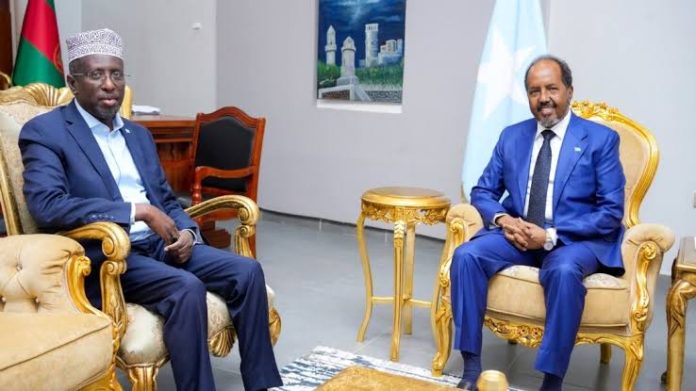
Wararkii u danbeeyay xaalada magaalada Muqdisho iyo dhaq dhaqaaqyadii mucaaradka

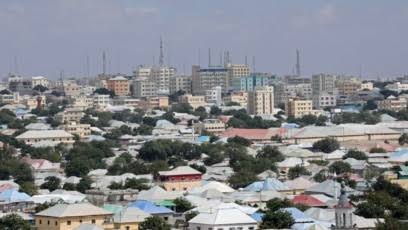
May 11(Jowhar)Xaaladda magaalada Muqdisho ayaa saaka degan, kadib dibadbaxyo shalay ka dhacay qaybo kamid ah caasimadda kuwaas oo ay dhigeen siyaasiyiinta mucaaradka. Dibadbaxyada ayaa looga soo horjeeday dhulboobka iyo cadaadiska siyaasadeed ee dowladda Madaxweyne Xasan Sheekh waddo.

How the Trump-Xi summit could impact everyday lives and global stability

What does the Trump-Xi summit mean for the rest of us?
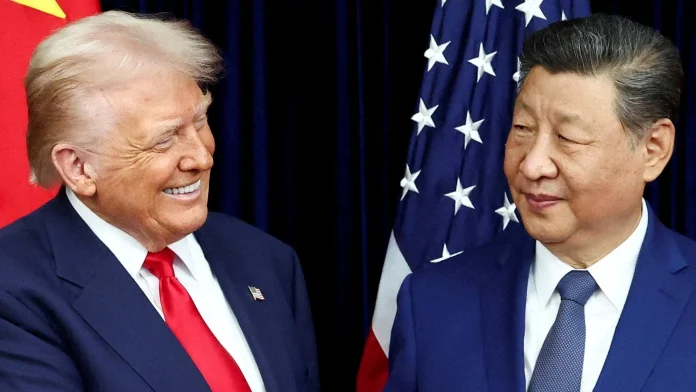
US President Donald Trump and Chinese President Xi Jinping last met in Busan, South Korea, in October

When Two Giants Share a Table: Why a Beijing Meeting Matters for the Rest of Us

There is something quietly theatrical about world history being negotiated over tea and tidy photo-ops.

Next week, in a ballroom that will be swept and scrubbed and photographed, the presidents of the United States and China will meet again. Their conversation will be dissected by diplomats, amplified by pundits and digested by markets. But for citizens in Dublin, Dakar, New Delhi and Wellington, the stakes are no less intimate: which rules will govern trade, tech, shipping lanes and the everyday tools of our lives?

Ask a container-ship captain off the coast of Rotterdam and he will tell you, in a voice worn thin by engine hum and salty air, that a single decision in Beijing or Washington can reroute his entire season. “One sanction, one tariff, one port that closes for a week,” he said, “and you feel it in your bones—costs rise, schedules slip, people lose jobs.”

A duel that feels like a dance

This encounter is not a simple confrontation. It is part competition, part choreography. On one hand, Beijing increasingly talks about self-reliance—securing chips, energy and food supply chains so the state is not vulnerable to external shocks. On the other, Washington leans on a legacy of military reach, advanced semiconductors, and deep capital markets.

“Both sides are playing for time,” said a European trade adviser who asked not to be named. “They want breathing space to shore up their strengths and mask their weaknesses.”

If you look at the ledger, the interdependence is striking. Taiwan still produces roughly 90% of the world’s most advanced semiconductors, with many of the chip designs originating from US firms. At the same time, bilateral trade in goods and services between Washington and Beijing runs into the hundreds of billions of dollars each year—enough to bind economies together even as politicians attempt to decouple them.

What a ‘G2’ could mean—and who gets cut out

There is talk—quiet and then louder—of a duopoly of influence. Imagine a “Board of Trade” where the two largest economies carve out neat pathways for their own commerce. Such an arrangement would not be illegal; it would be strategic. But for smaller and mid-size nations, it could be existentially awkward.

“If you’re not at that table, you’re at least at risk of being on the menu,” said Maeve O’Connell, who runs export strategy for a family-owned medical-device firm in County Cork. “We’ve worked for years to diversify our markets. If Beijing and Washington decide who buys what, suddenly our clients get squeezed.”

From Brussels to Canberra, policymakers are asking whether the old multilateral glue—centered on institutions like the World Trade Organization—still holds. If the world’s two biggest economies begin to silo their trade, the rules could bend, then break.

The power of ports: Hormuz, the South China Sea and the arteries of trade

A short detour to geography explains why diplomatic niceties have teeth. The Strait of Hormuz and the South China Sea are not picturesque backdrops; they are economic lifelines.

About one-third of the planet’s maritime trade transits the South China Sea. When tankers stall in Hormuz, fuel prices ripple into airlines’ ticket books and trucking companies’ balance sheets. When shipping slows, shelf prices rise. For economies that depend on imported energy and exported goods, these choke points are strategic flashpoints.

Iranian tankers may not be a household topic in Helsinki, but the cost of a blocked strait shows up in heating bills and bus fares. Hence Washington’s public pressure—and Beijing’s private calculus—to get shipping moving again.

Diplomacy as theatre and leverage

China has been busy polishing its peacemaker image. Foreign delegations have flowed through Beijing in recent months. These visits serve two purposes: keep trade moving and burnish the narrative that China is the stabilizing hand in an unruly world.

“It’s about legitimacy,” said an international relations professor in Shanghai. “If you can claim to be the broker of calm, you gain soft power even as you fortify hard power at home.”

But beyond the optics, there’s a transactional reality. China buys vast quantities of crude oil, and Beijing’s leverage over Tehran—combined with its trade heft—gives it unusual sway. Conversely, Beijing still depends on global demand to soak up overcapacity in its factories. That double bind drives much of the present negotiation.

Technology: the marrow of this century’s rivalry

Behind trade tariffs and port diplomacy lies a quieter, more existential contest: who will set the rules for artificial intelligence, semiconductors and critical materials like rare earths?

Rare earths are not rare in the geological sense, but China’s processing hegemony gives it clout. In 2020 and 2021, Beijing used export curbs as a bargaining chip, reminding the world that supply chains have pressure points.

“Control over key inputs—whether it’s chips or magnets for military hardware—translates directly to geopolitical influence,” said a policy analyst in Washington. “It’s not just commerce. It’s security.”

Small states, big concerns

For smaller democracies, the rules matter because they buy time and space. “Our governments rely on an equitable, rules-based system,” said a New Zealand trade negotiator. “That system lets us punch above our weight. If it crumbles, the choices get harder and the costs higher.”

That is why ministers in capitals from Dublin to Wellington watch the Beijing meeting with equal parts hope and trepidation. A deal that stabilizes shipping lanes and trade flows could calm markets and lower costs. A secretive arc between the two powers could shrink opportunities for everyone else.

So what might happen?

  • They could agree on narrow, technical arrangements—temporary pauses on tariffs, targeted restore-of-trade measures—buying time and headlines.
  • They might set up institutional frameworks to manage non-sensitive trade, effectively creating quid-pro-quo zones while leaving high-tech and security issues unresolved.
  • Or they could use the summit to posture—flexing domestic support—without producing meaningful outcomes, kicking hard choices down the road.

Whatever the outcome, the meeting will not simply be about two leaders. It will be about the millions whose livelihoods depend on the steadiness of supply chains, about dissidents and journalists who watch for signals about human rights, and about the fragile architecture of global cooperation in a warming world with proliferating technologies.

So here is a question for you, the reader: do you want global rules set quietly between two capitals, or an open architecture where many countries can negotiate and shape the future? Your answer will tell you whether you should be a spectator or raise your voice in the weeks ahead.

In the end, the meeting in Beijing will reveal less about who is winning and more about how the game will be played. Will it be zero-sum, or will the giants leave space for the rest of us to breathe? The choice matters far beyond the photo-op—because the world those leaders sketch will determine the next decade of trade, technology and the everyday freedoms we take for granted.

Safiirka Mareykanka oo kulan deg deg ah isugu yeeray madaxweye Xasan iyo Mucaaradka

May 10(Jowhar) Maalinta Arbacada ee soo socota ayaa waxaa kulan deg-deg ah ku yeelan doona Xarunta Safaaradda Mareykanka ee Muqdisho ergooyin ka kala socda Dowladda Federaalka iyo Mucaaradka, iyadoo uu shirkan garwadeen ka yahay Safiirka Mareykanka oo ay wehliso Ergayga Midowga Yurub ee Soomaaliya.

Iran Responds to U.S. Proposal to End War, Sources Say

Iran sends response to US proposal to end war - reports
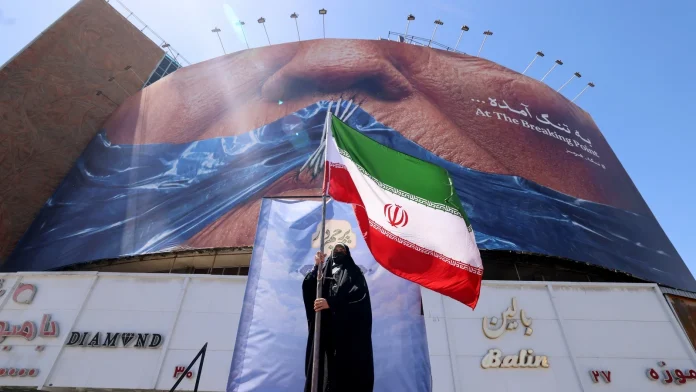
An Iranian woman stands with an Iranian flag in front of a billboard portraying Donald Trump in Tehran's Valiasr Square

In the Shadow of the Strait: A Fragile Reply, Drones and the Price of Passage

At first light, the Strait of Hormuz looks almost indifferent to the politics that circle it. Fishermen in stained rubber boots push out their nets while gleaming tankers bob like distant islands, their hulls full of a commodity that still defines modern geopolitics: oil. Yet beneath that everyday rhythm, a hum of tension has begun to replace the usual sea-breeze calm—an uneasy soundtrack to diplomacy, threats and the occasional burst of violence.

A paper handed across borders

In the middle of this uneasy tableau came a document: Tehran’s formal reply to a US-proposed plan, delivered through Pakistan, according to Iran’s state-run news agency. It wasn’t a sweeping peace treaty. Instead, officials in both capitals say the idea on the table is modest—and intentional: a temporary memorandum of understanding that would pause active hostilities, reopen shipping lanes through the strait, and buy time for tougher, more contentious talks on things like Iran’s nuclear programme.

“We need a pause first, then the long work,” said a Pakistani diplomat involved in back-channel discussions, speaking on condition of anonymity. “Think of it as creating a space where negotiators can breathe.”

Diplomacy at this stage looks a little like triage. Mediators—Pakistan and Qatar have taken visible roles—are being asked to shepherd two adversaries back from the edge with a paper that acknowledges neither side’s core grievances. For Tehran, the question will be trust: can Washington be relied upon not to pursue military options while talks unfold? For Washington, the worry is control of an international waterway and whether a deal could let Iran assert dominance over shipping lanes.

Skirmishes while diplomats talk

That distrust has real-world consequences. In the past week, drones struck at least one freighter making for Qatar, and South Korean authorities reported an attack on a cargo vessel that smoked and limped toward Dubai. The United Kingdom Maritime Trade Operations centre said a bulk carrier was hit by an unknown projectile; the blaze was small and quickly extinguished, and there were no casualties.

“You’re always watching the horizon now. Every dot of smoke is a threat,” said Reza, a longshoreman on Iran’s southern coast, his hands still smelling of tar. “We used to worry about storms. Now we worry about drones.”

Iran’s military leaders, state television reported, met with the supreme leader and received “new directives” to continue confronting what they called enemy actions. Parliamentary security spokespeople posted that “our restraint is over.” On the other side, US officials warned any attack on vessels carrying American flags would trigger a robust response.

Who’s involved—and what they want

The cast of characters reading this drama from the wings includes Qatar and Pakistan as mediators, the United States and Iran as principals, and Gulf states—most notably the United Arab Emirates and Kuwait—who have accused Iran of being behind recent drone incursions. The UAE said its air defenses engaged two unmanned aerial vehicles, while Kuwaiti forces reported dealing with hostile drones in their airspace.

“We are seeing a cluster of regional actors who are both alarmed and opportunistic. Qatar is trying to play peacemaker; the UAE and Kuwait are protecting their borders; Iran is leveraging its geography,” said a maritime security analyst who follows Gulf security trends closely. “The risk is that localized incidents spiral into wider conflict.”

Why one waterway matters so much

The Strait of Hormuz is small, but its economic footprint is vast. Historically, roughly one-fifth of the world’s seaborne oil has flowed through the strait—a figure that translates into millions of barrels every day. When traffic stalls, markets notice. Insurance premiums rise, shipping routes lengthen, and energy prices can spike globally in a matter of hours.

Companies reroute vessels around the Cape of Good Hope when tensions peak, adding thousands of miles and days to journeys. That affects not just fuel costs but fertilizer, natural gas and other traded goods. For sailors and port workers, the calculus is immediate: longer trips mean less pay; higher risks mean more stress.

Scenes from the waterfronts

Walk a dock in Bandar Abbas or Port Khalifa at dusk and you’ll get a sense of the human side behind the headlines. Tea is poured into chipped glasses, stories are exchanged about frightening flashes over the horizon, and families count on wages from ships that may tomorrow be diverted or detained. In Mesaieed, a Qatari fishing crew watched a freighter burn after what the country’s defence ministry said was a drone strike.

“The sea gives and the sea takes,” said Aisha, whose brother works on a cargo ship that sails those routes. “When something happens to a tanker or a freighter, we hear about jobs being lost. We feel it at home.”

Options on the table—and the traps

The temporary memorandum being discussed has obvious merits. It could restore commercial traffic through a critical choke point, lower the chances of incidental confrontations at sea, and create breathing room for negotiators. But temporary fixes also carry risks: if the underlying disputes—nuclear ambitions, sanctions, mutual distrust—aren’t addressed, the ceasefire can collapse just as suddenly as it was arranged.

Consider a few uncomfortable truths:

  • Trust is not rebuilt overnight. Confidence-building measures require verification mechanisms that both sides can accept.
  • A temporary truce could create a new status quo in which Iran sets up a tolling mechanism for ships—something the US has said it will not accept.
  • Missteps at sea—an unmanned aerial vehicle misidentified, a defensive missile misfired—can escalate faster than diplomats can convene.

From the local to the global

This is more than a regional spat. The debate over rights to an international strait, over the ability of a state to project power from its coasts, and over the use of unmanned systems in contested spaces speaks to broader global trends. We are witnessing a new phase where inexpensive technologies—drones, small missiles—can have outsized strategic effects. The global economy has grown interdependent and, as a result, fragile in the face of localized instability.

“Energy security today is as much about geopolitics as it is about supply lines,” said Fatima al-Sayegh, an economist specializing in commodity markets. “When a small, concentrated route like Hormuz is threatened, ripples turn to waves in global markets.”

What now—and what should we ask?

If the memorandum closes a window for immediate violence, that would be a relief—for sailors, for families, for traders. But a stopgap is not the same as reconciliation. Who will monitor compliance? What happens if Iran resumes activities inside its territorial waters that others view as aggressive? How, practically, will negotiators bridge the gap over the nuclear question?

Perhaps the most urgent question is this: can old models of diplomacy—state-to-state talks mediated by third parties—keep pace with a changing reality where small, remote actors can unleash regional shocks?

Whatever comes next, the men and women who haul containers, load tankers, and man the bridges of freighters will continue to shoulder the consequences. They know the sea in ways diplomats do not; they feel the risk in their bones.

As you read these words, imagine the bow of a freighter cutting through the narrow throat of Hormuz. Think about the ripple effects of a single strike: a small fire on metal, a crew’s frightened faces, an insurer tightening terms, a supermarket shelf a little emptier, a family’s budget stretched. The strait is not just a line on a map—it’s a slender thread in a global weave. Will negotiators stitch it back together, or will it fray further? The answer will shape economies, futures and everyday lives far beyond the Persian Gulf.

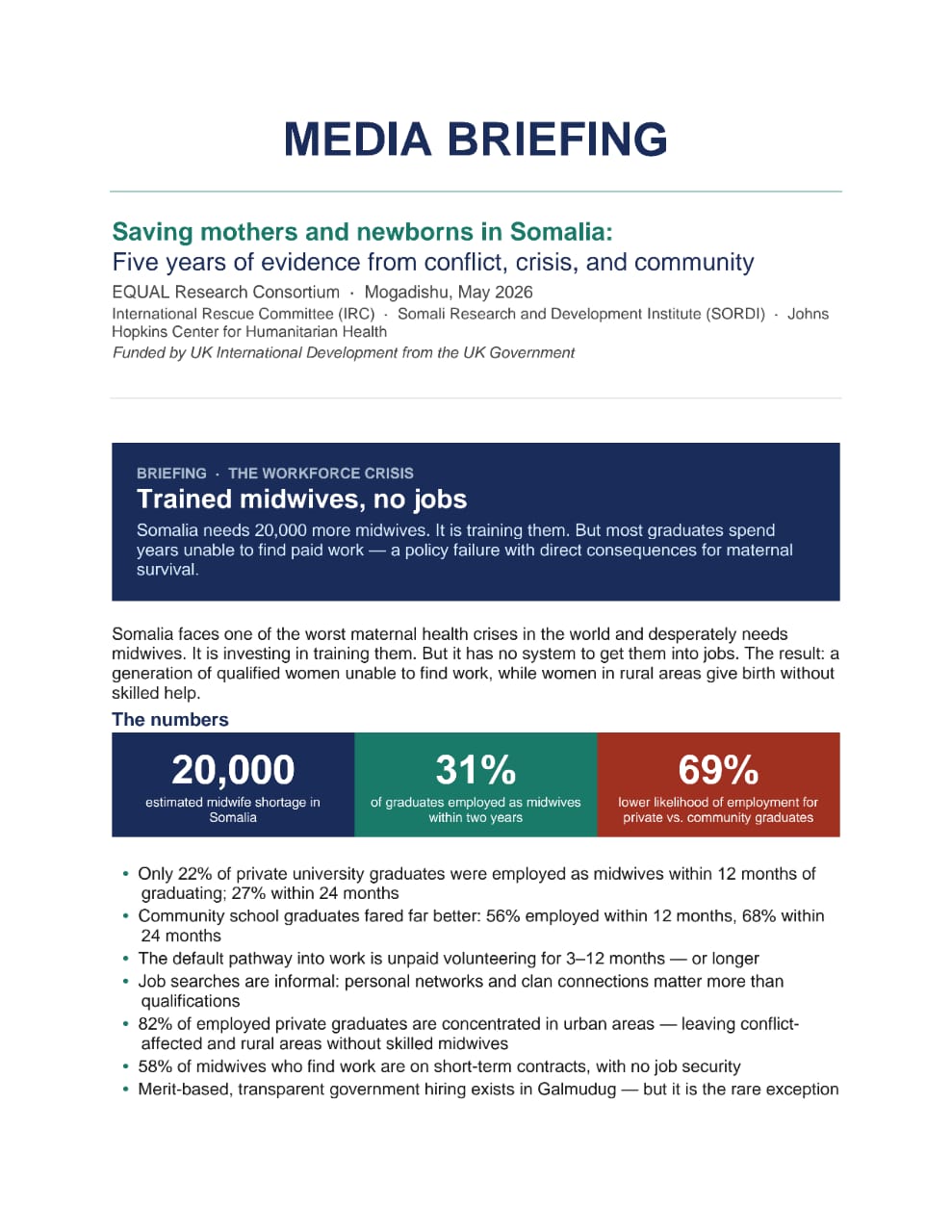
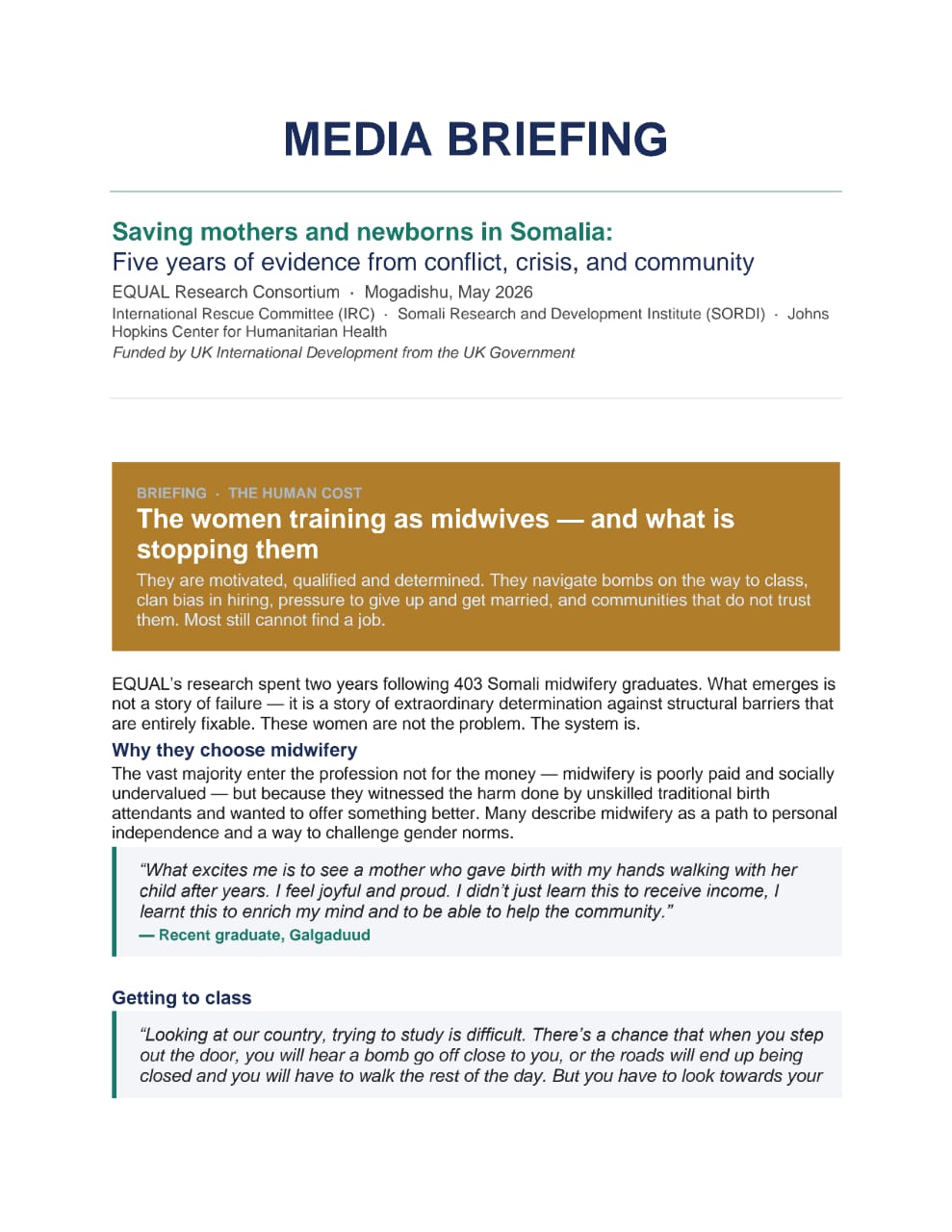
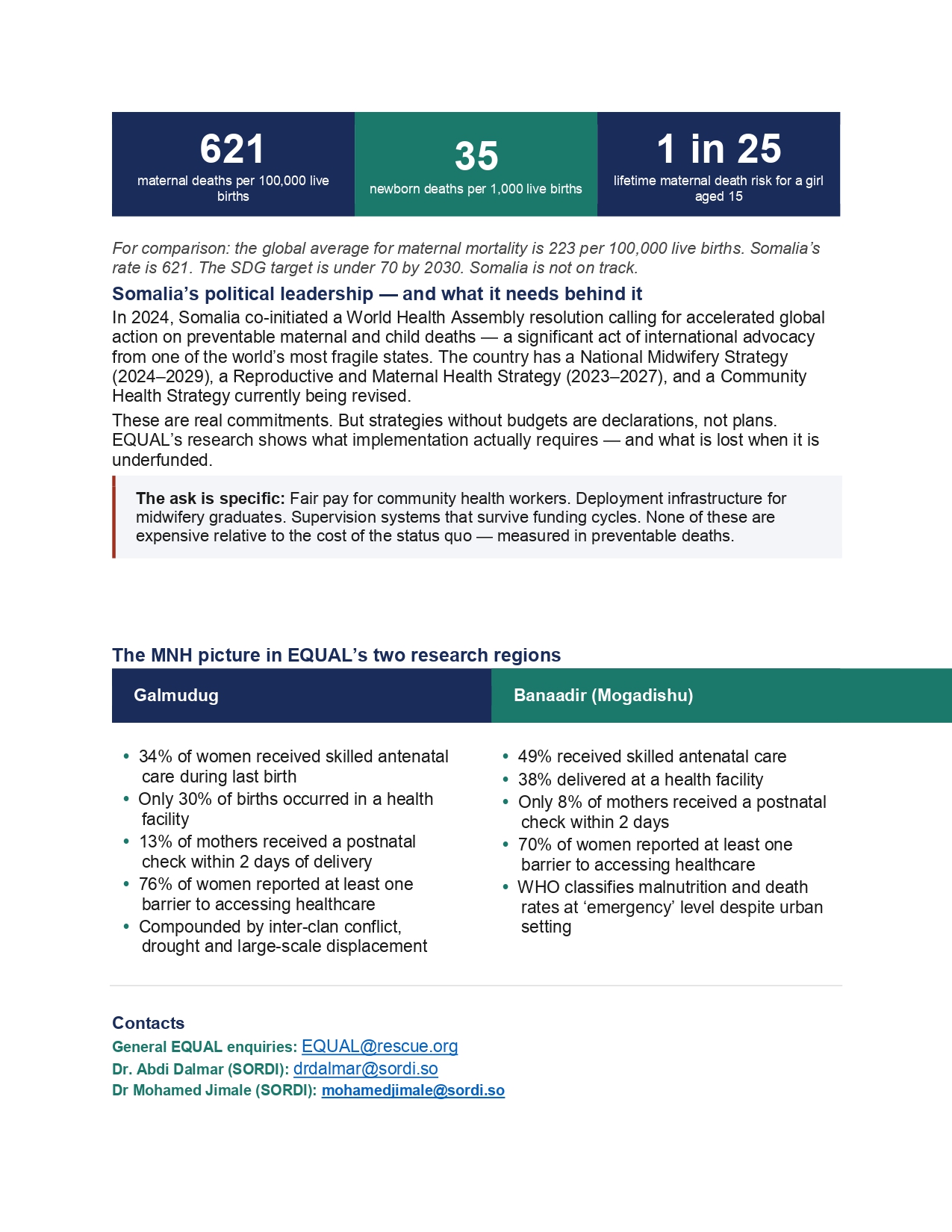
What it actualy takes to save a mother’s life in rural Somalia

Jowhar-10May2026

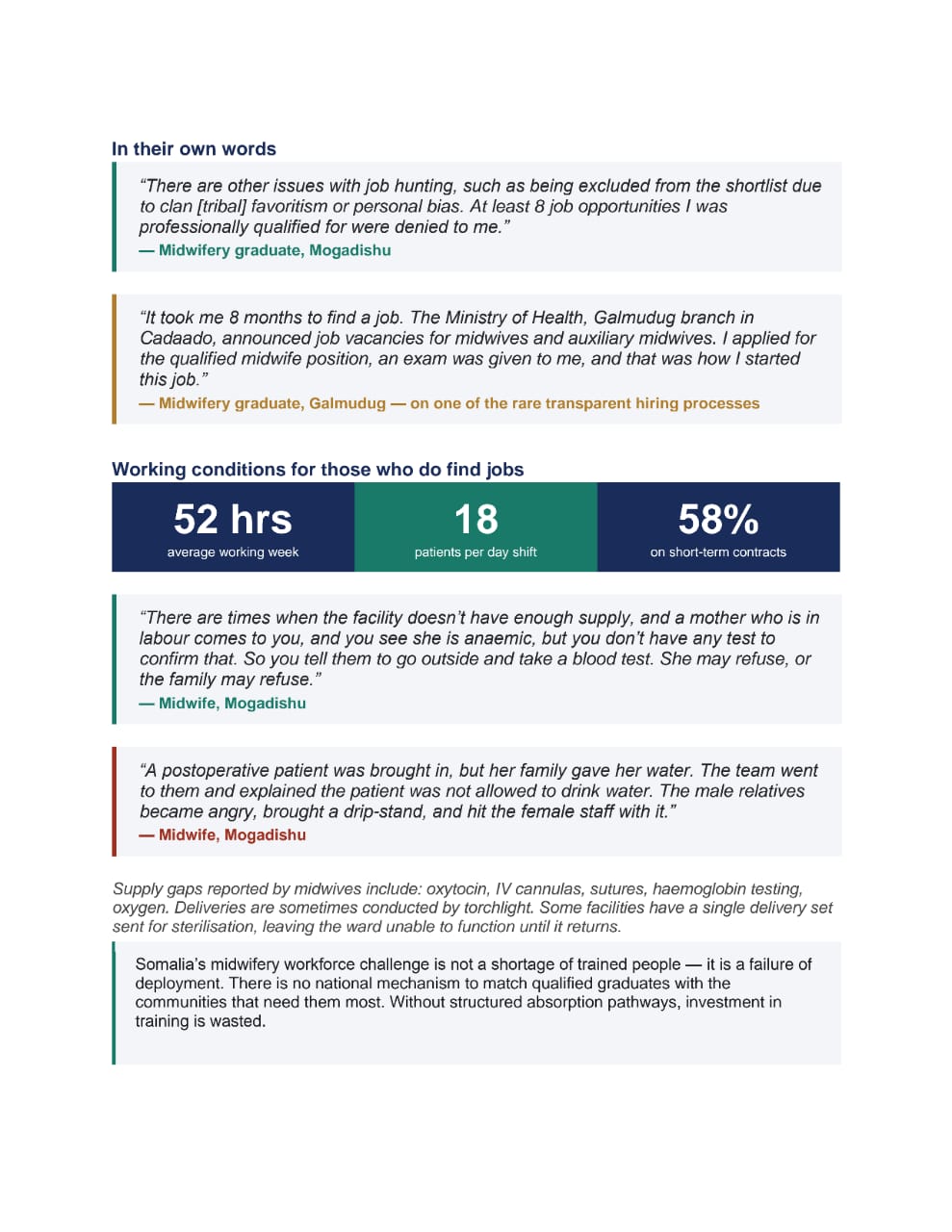
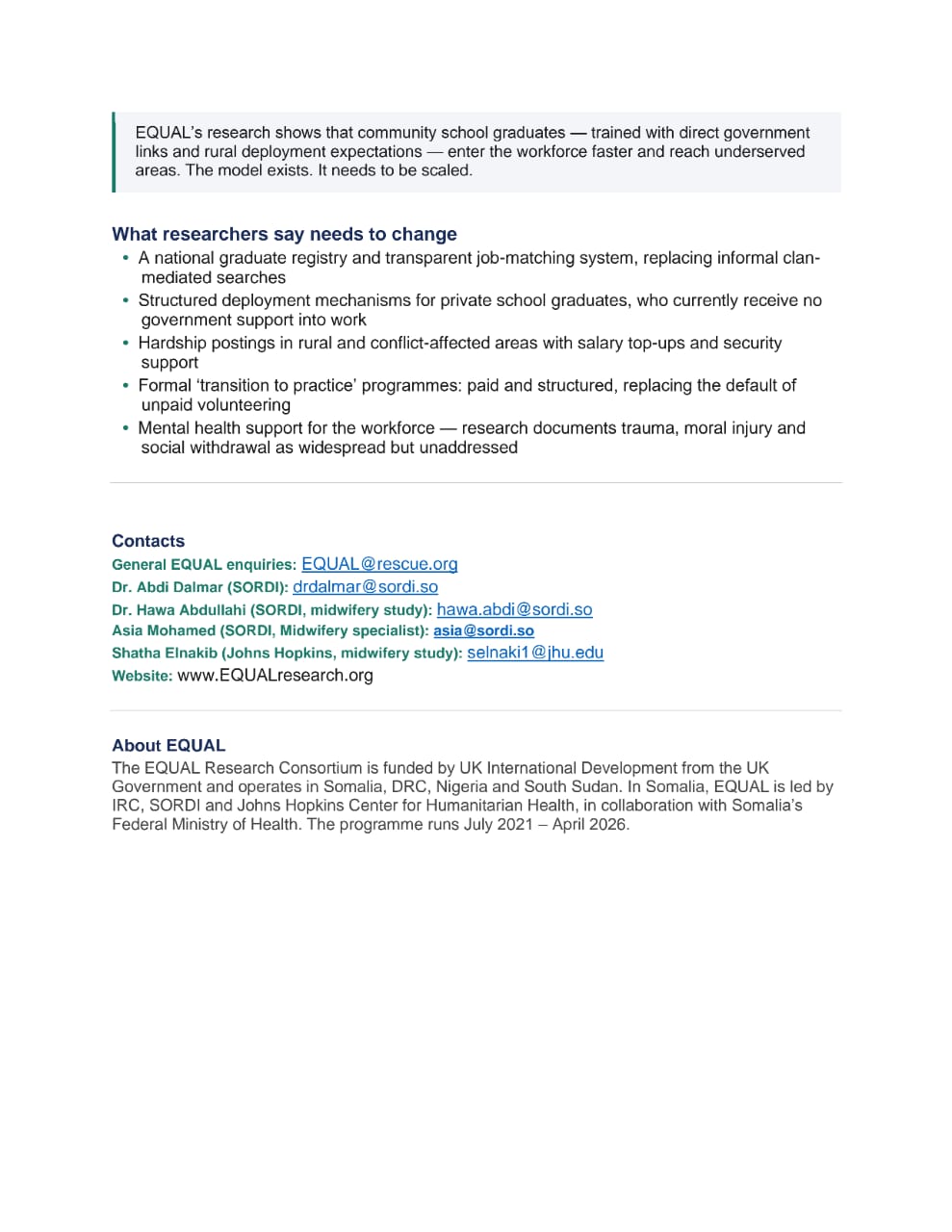
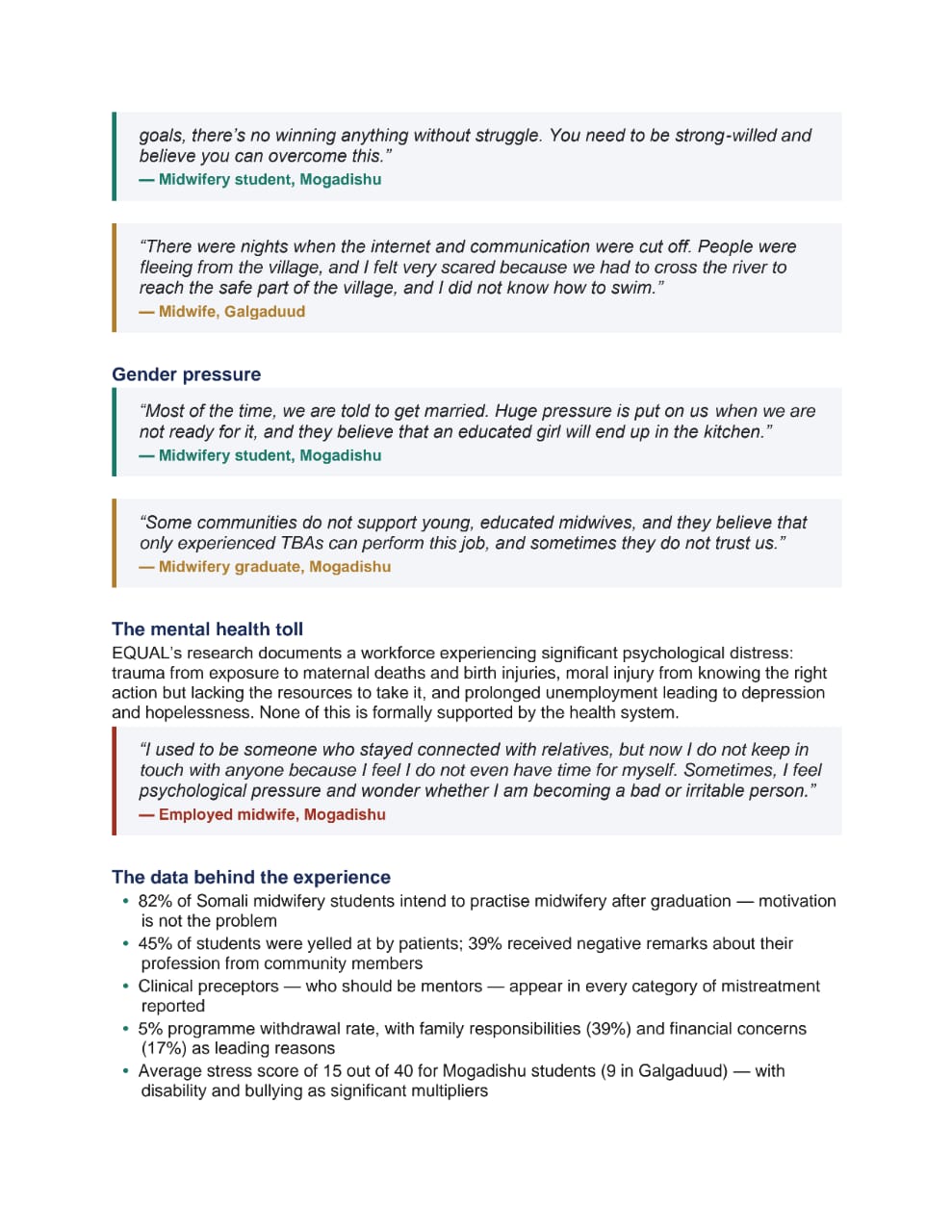
Trained Midwives No Jobs

Jowhar10May2026


The Woman Training as Midwives and what is stopping them

Jowhar-10May 2026

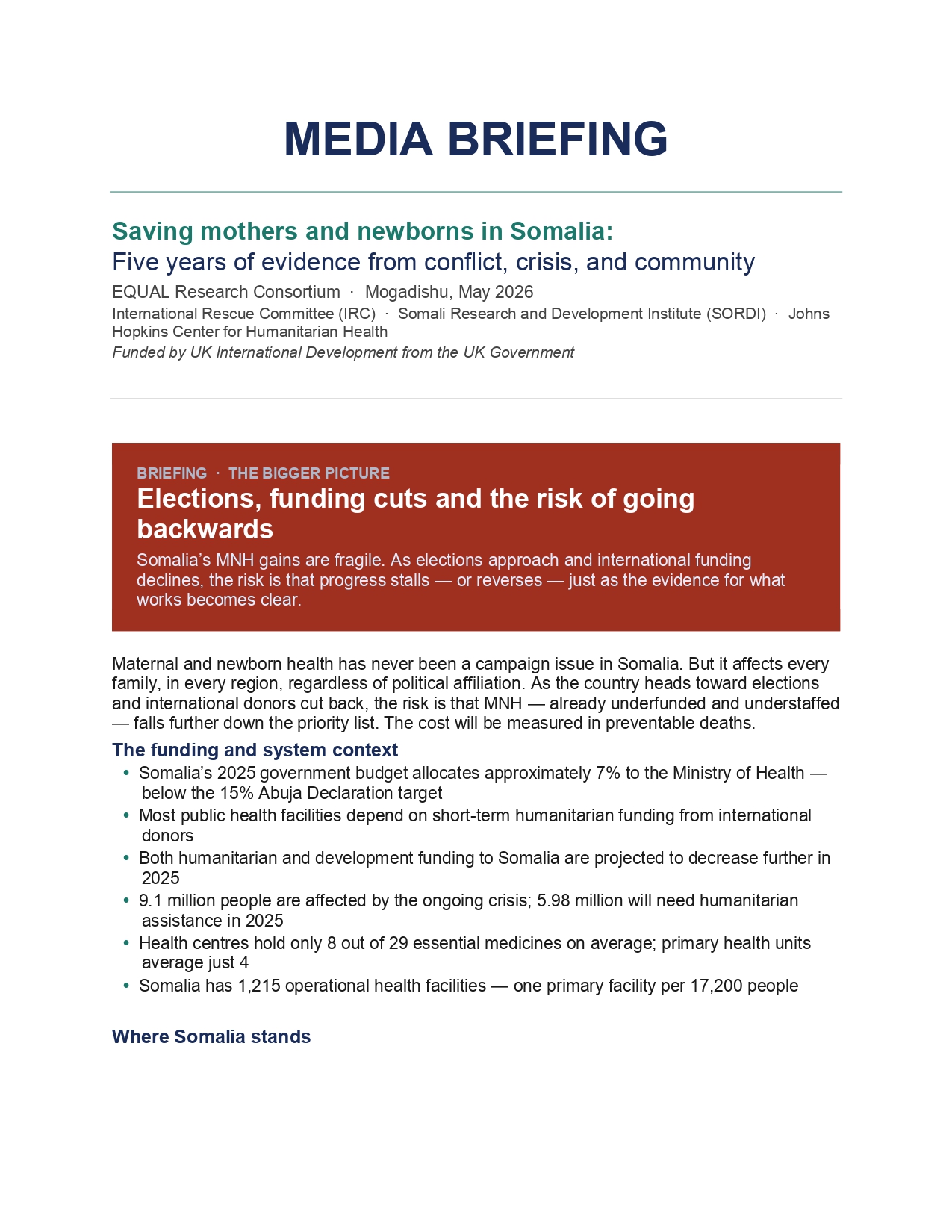
Elections,Funding cuts and risk of going backwards

Jow- 10May-2026


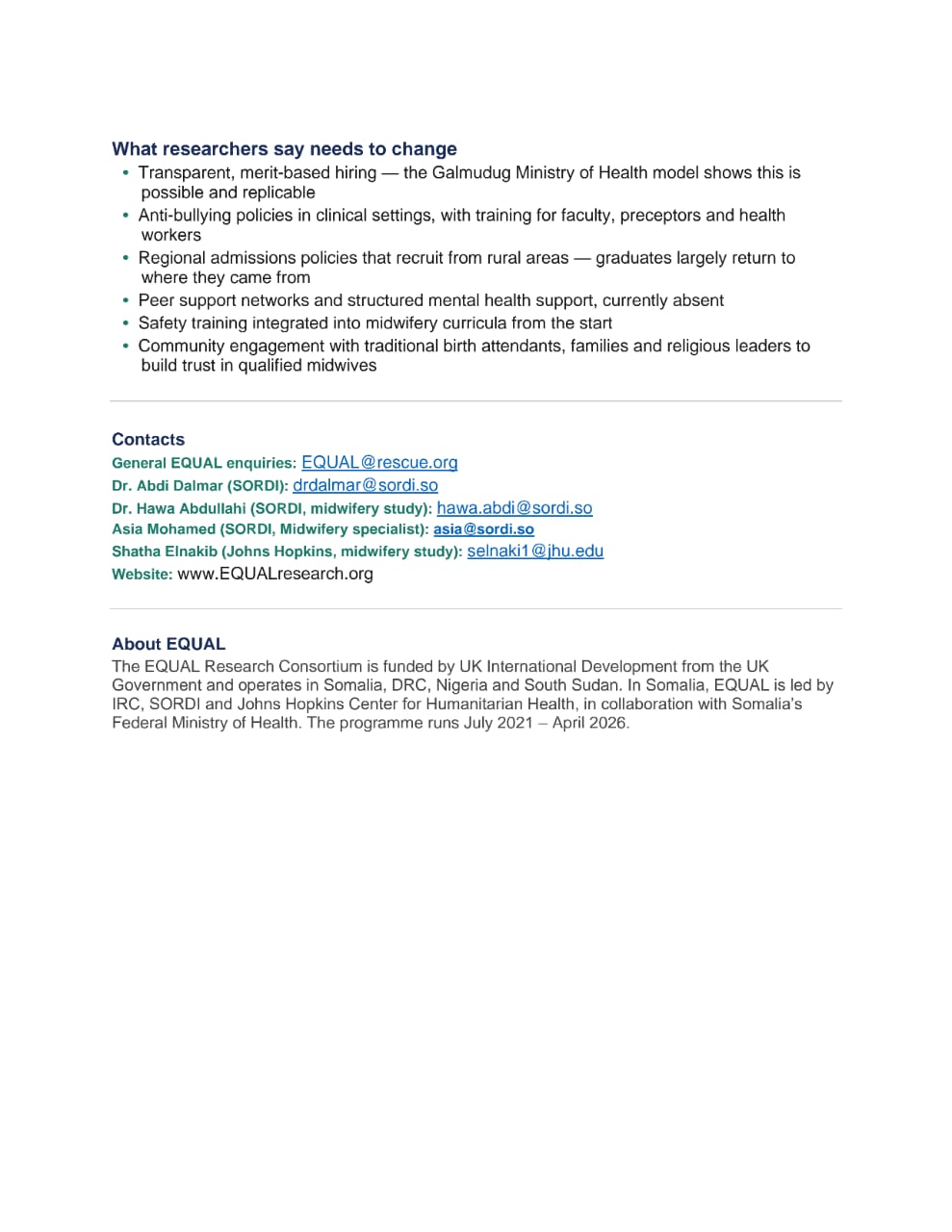
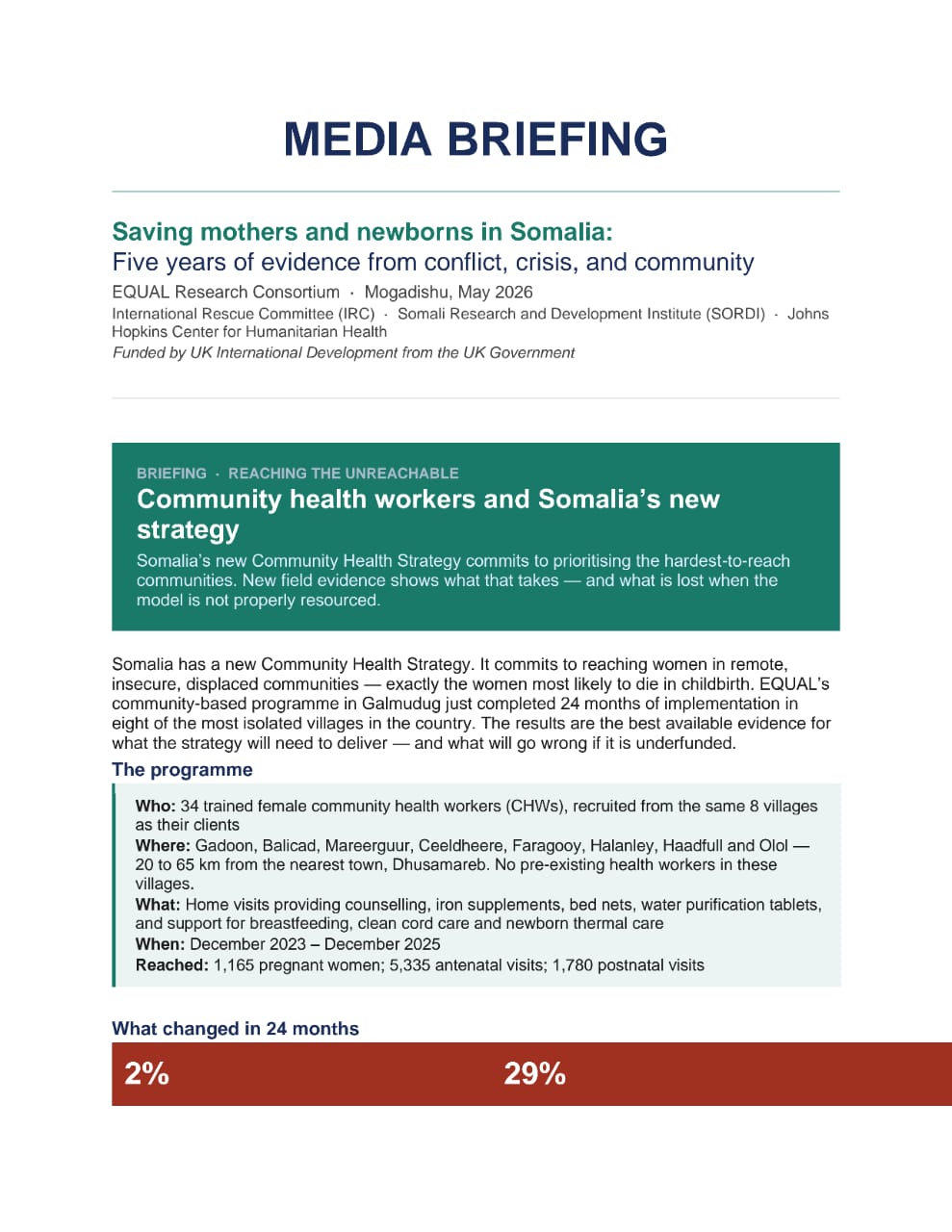
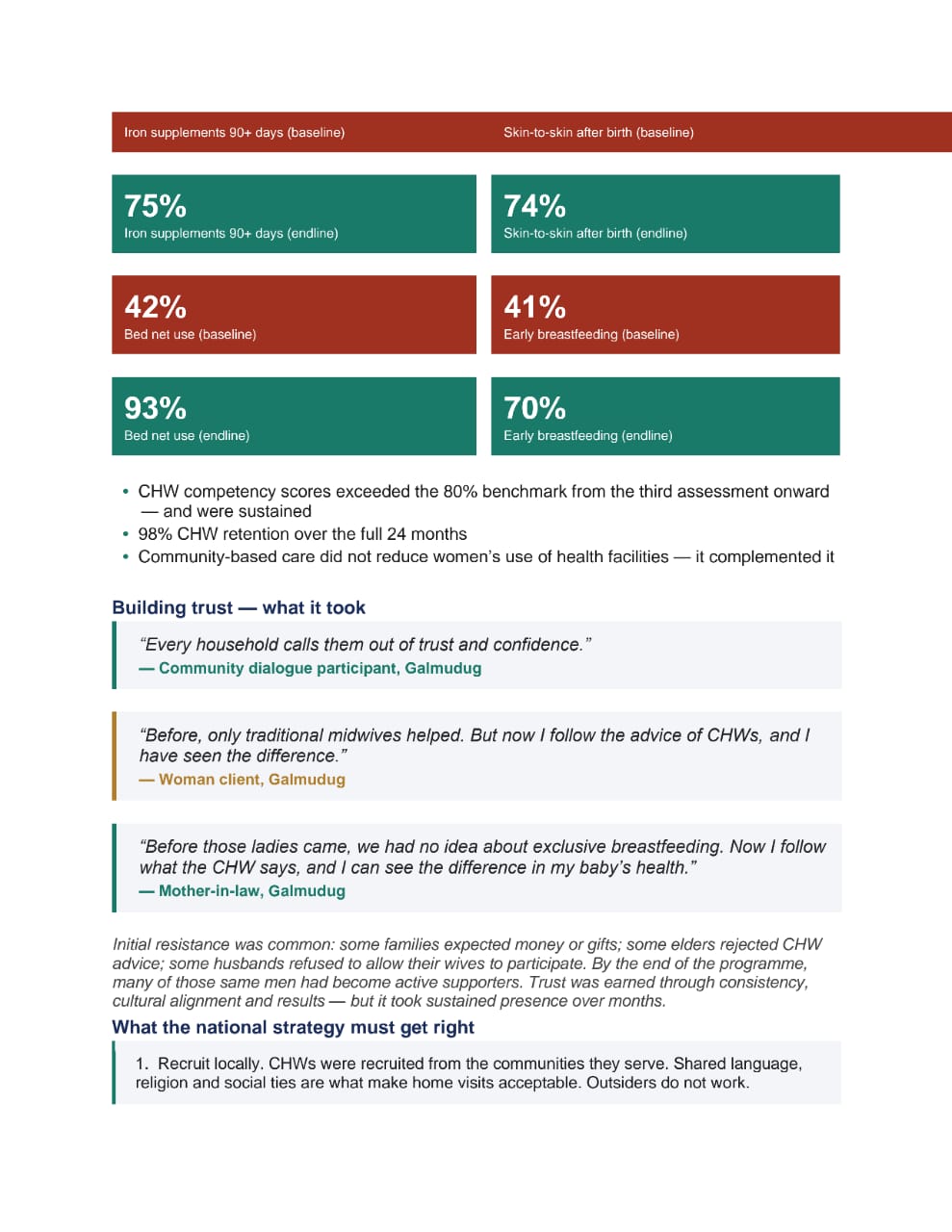
Community health workers and Somalia’s new strategy

Jow.10May 2026-


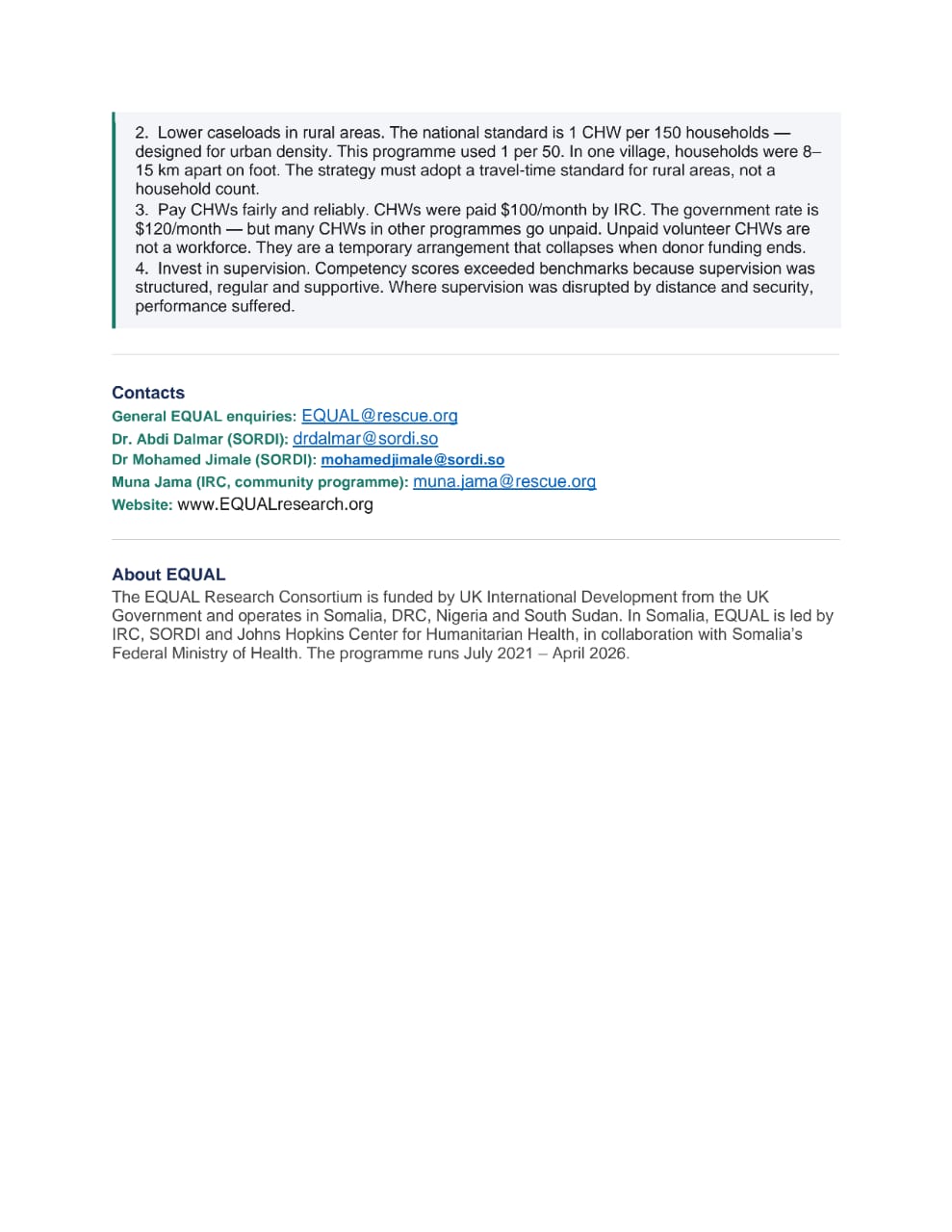
US strikes Iran as Tehran warns of response to attacks

US Launches Strikes on Iran as Tehran Threatens Retaliation for Attacks

0
Fresh explosions rattled southern Iran overnight as the United States launched a new round of strikes, a move that came just hours after President...
460 European figures call on EU to be tougher on Israel

460 European leaders urge EU to take a tougher stance on Israel

0
With war raging in Gaza and tensions rising across the West Bank, a large coalition of veteran European political leaders is urging the European...
Four killed, 20 injured in Russian strikes on Kharkiv

Russian strikes hit Kharkiv, killing four and injuring 20 people

0
A fresh wave of missiles and drones slammed into Ukraine overnight, killing four people in the Kharkiv region and injuring more than 20 others,...
Gates Foundation opens external review of Epstein ties

Bill Gates grilled by Congress over alleged ties to Jeffrey Epstein

0
Bill Gates is heading to Capitol Hill for scrutiny that has shadowed some of the world’s most prominent figures: his past ties to Jeffrey...
Need to get 'facts straight' around Aughinish - Kallas

Kallas urges clear, accurate facts about the Aughinish situation

0
As scrutiny intensifies over claims involving a major Irish refinery and Russia’s war effort, EU foreign policy chief Kaja Kallas says the priority is...