

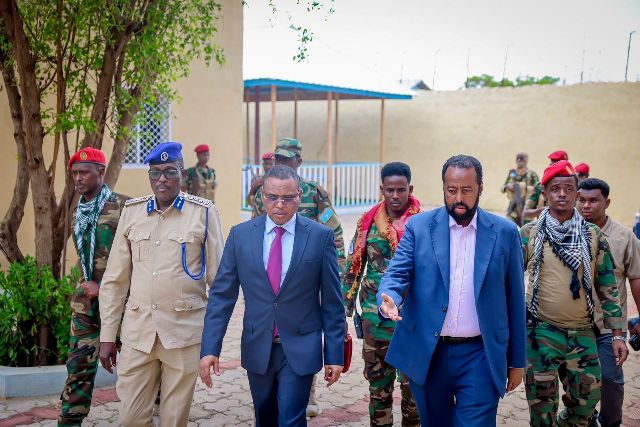
Apr 18(Jowhar)-Hoggaamiyaha ku-meel-gaarka ah ee Dowladda Koonfur Galbeed Soomaaliya, Mudane Jibriil Cabdirashiid Xaaji Cabdi, ayaa kormeer shaqo ku tagay qaar ka mid ah wasaaradaha Koonfur Galbeed, si uu u qiimeeyo habsami u socodka howlaha shaqo ee hay’adahaasi.
Iiraan oo duqeysay maraakiib maraysay Marinka Hormuz
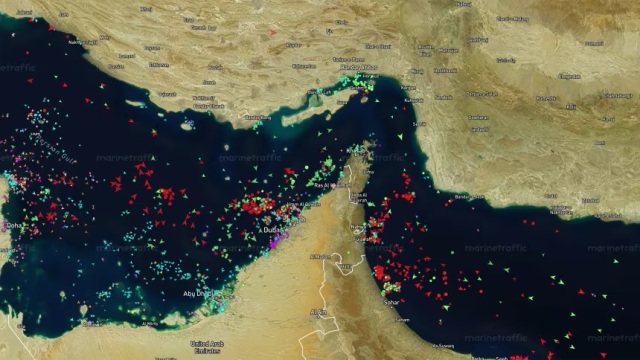
Apr 18(Jowhar) Wararka ka imanaya dalka Iran ayaa sheegaya in markab marayey marin biyoodka Hormuz ay rasaas ku fureen laba doonyood oo ay wateen ciidamada ilaalada kacaanka Islaamiga ah ee Iran.
Madaxweynaha Soomaaliya oo la kulmay Ra’iisul Wasaaraha Serbia
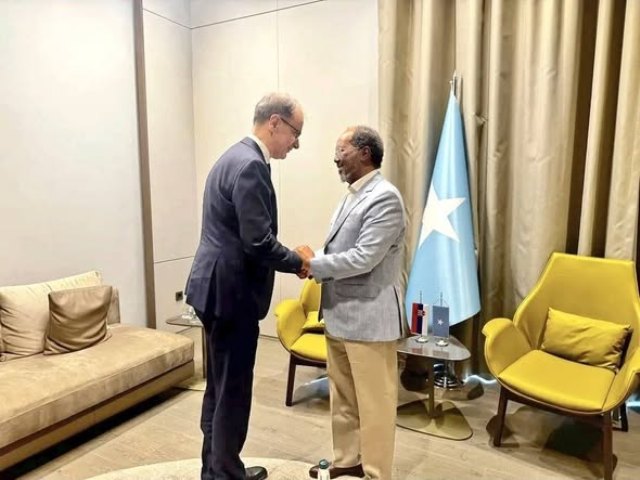
Apr 18(Jowhar)Madaxweynaha Jamhuuriyadda Federaalka Soomaaliya, Mudane Xasan Sheekh Maxamuud, ayaa kulan laba-geesood ah la yeeshay Ra’iisul Wasaaraha Jamhuuriyadda Serbia, Prof. Dr. Đuro Macut, intii ay socotay Madasha 5-aad ee Diblomaasiyadda Antaaliya (ADF2026), oo ka qabsoontay oo lagu qabtay dalka Turkiga.
Iran reopens Strait of Hormuz: live updates on shipping and regional impact
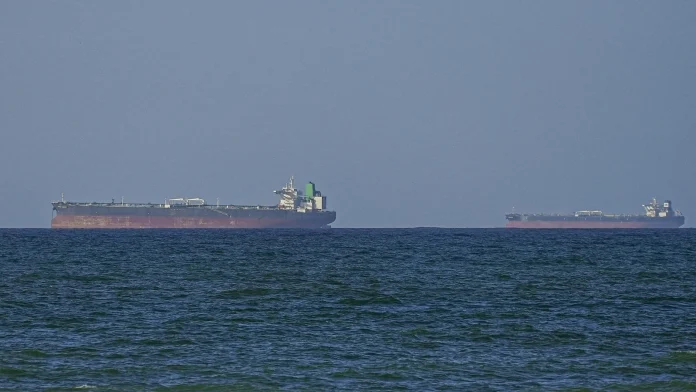
As it happened: Iran reopens the Strait of Hormuz
On a humid dawn in Bandar Abbas, the harbor’s usual rhythm returned like a breath exhaled after a long held silence. Small dhows bobbed, seagulls circled, and the clatter of tea cups rose from a seaside teahouse where fishermen and port workers huddled to watch the horizon. “We were all nervous,” said Reza, a crab fisherman who has threaded these waters for thirty years. “The sea is our life. When the world stops passing, you feel it in your bones.”
Iran announced today that it had reopened the Strait of Hormuz to commercial traffic after days of restricted passage that had thrown a fragile global energy market into a temporary tailspin. The strait — a slim artery linking the Persian Gulf to the Arabian Sea — is one of the planet’s most consequential chokepoints. About one-fifth of seaborne-traded oil moves through this narrow passage, carrying crude that fuels cities from Tokyo to Turku.
The scene at the waterline
The reopening was not cinematic. There were no trumpets, no boom of celebratory cannons. Instead, there were routine navy patrols resuming designated transit lanes, maritime pilots reporting clear waters, and, most tangibly, ships slowly easing out of anchorages where they had waited for days. A merchant captain radioed in a weary-sounding message: “We can finally head south. That’s the best news I’ve had this week.”
At the Hormuz port, saffron-scented smoke drifted from a small street stall, and an elderly tea vendor joked, “You must be careful — when ships dance, tea gets cold.” His humor belied the serious undercurrent of fear: every closure or skirmish here ripples across economies and households worldwide.
What triggered the shutdown?
Officials framed the closure as a response to rising tensions in the region and declared it a necessary precaution to protect local and national interests. A senior Iranian maritime official, speaking on condition of anonymity, told reporters, “We acted to ensure safety. Now the situation has been clarified and shipping may resume under monitored conditions.”
That measured language masks the complexity beneath. In recent weeks, localized confrontations, naval shadowing, and exchanges over seized vessels had escalated alarm among shippers and insurers. When passages near vital chokepoints tighten, decisions to halt navigation are often taken out of abundance of caution: tankers avoid risk, captains seek safe harbor, and companies calculate exposure in the blink of a market’s eye.
Why the Strait matters — and everyone should care
Think of the Strait of Hormuz as a global heartbeat. It is narrow — at its slimmest point only about 21 nautical miles across — and unforgiving. Yet it is also astonishingly busy. According to the International Energy Agency, roughly one-fifth of the world’s seaborne oil exports flows through here on a steady, grinding cadence.
When that cadence falters, the effects are immediate: energy traders watch brent futures, ports brace for adjustments, and families in importing nations feel the squeeze at gas pumps weeks later. The last time similar tensions spiked, insurance premiums rose, detour routes became costly, and markets flirted with volatility. “The economics of closure are straightforward,” explained Leila Martin, a maritime risk analyst in London. “Diverting a supertanker adds days and millions of dollars in extra costs. For countries with thin energy margins, even a short disruption can be painful.”
- Strategic weight: The strait connects the oil-rich Persian Gulf states to global shipping lanes.
- Economic impact: A short-term closure can lift freight costs and ripple through industrial supply chains.
- Security calculus: Naval presence from multiple countries underscores how local conflicts become global flashpoints.
Local voices, global reverberations
In the coastal markets, traders spoke in human terms about what geopolitics looks like when it touches everyday life. “When the tankers stop, my buyer in Dubai calls and says ‘hold shipments,'” said Farideh, who sells fabric in a narrow shop beneath arcaded balconies. “And then I can’t pay the electricity bill on time. Things you think are far away are very near.”
An Oman-based logistics broker, who asked not to be named, described the technical headaches: “We had 10 tankers waiting at anchorage yesterday, and the crew rotations have now been pushed back. Those delays turn into unpaid overtime, logistic nightmares, and more carbon emissions when ships burn fuel idling.” There is an uglier arithmetic to disruption: longer voyages mean more fuel, more emissions, and greater strain on a planet already tallying climate costs.
What markets and governments are doing
Markets reacted quickly when movement slowed. Commodity desks reported brief spikes in oil prices and a rise in the cost of maritime insurance for ships transiting the region. Governments meanwhile nudged emergency plans into play — tapping strategic reserves, re-routing shipments where possible, and quietly negotiating through diplomatic backchannels.
A European diplomat, who declined to be identified, said, “Every government wants the same thing: steady seas. We’re coordinating intelligence and trying to keep commercial traffic safe without inflaming the situation further.” That balancing act — using diplomacy to keep trade flowing while avoiding escalation — is now standard operating procedure in the age of interconnected risks.
Is this a long-term change or a blip?
That depends on decisions that have little to do with tides and everything to do with politics. Some analysts see these interruptions as wake-up calls that could accelerate longer-term shifts: investment in pipelines that bypass chokepoints, greater strategic petroleum reserves, and a faster pivot toward cleaner, decentralized energy systems that reduce reliance on fragile maritime routes.
“The world is learning a hard lesson about chokepoints,” said Dr. Hamed Azari, a geopolitical risk professor. “Globalization brought incredible efficiencies, but it also concentrated vulnerabilities. Whether states respond by diversifying routes, building redundancy, or by accelerating renewables will determine the next decade.”
How to hold this moment in perspective
For people on the shoreline like Reza, the reopening is relief mixed with wariness. “We are happy the boats go,” he said, tightening his weathered hands around a thermos. “But the sea has moods. We must be ready if it changes again.”
For global citizens, the moment asks a question: how much fragility are we willing to accept in systems that feed our cities and economies? The Strait of Hormuz will not disappear from maps; the physics of geography remain stubborn. But policy choices, investments, and diplomacy can make the difference between a short, manageable pause and a prolonged crisis that leaves real people counting the cost.
As ships resumed their slow procession southward this morning, the tea vendor in Bandar Abbas poured another cup and shrugged: “The water has always decided our fate. We only choose how we live with it.” How do you think the world should live with such dependence — and where should we invest to make those lives less precarious?
Iran Orders Another Strait Closure in Response to US Blockade
Smoke, Steel and Diplomacy: The Strait of Hormuz at the Edge of a Fragile Peace
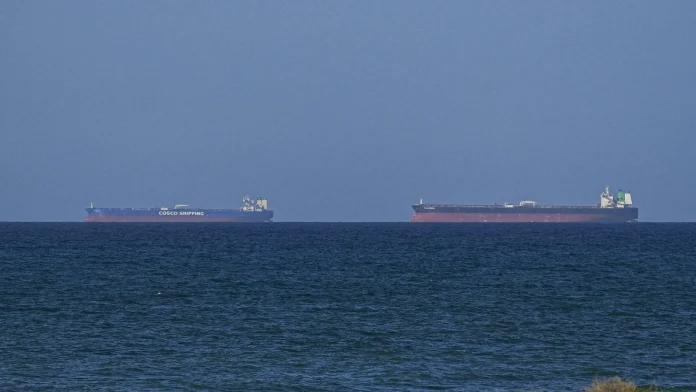
At dawn the sea around Larak Island glinted like a molten coin. Four LPG carriers slid through the narrow throat of the Strait of Hormuz, hulls low in the salt and a convoy of oil and chemical tankers tailing them as if wary of every wake. Seabirds lifted at the sound of engines; a fisherman in a long, sun-bleached boat shaded his eyes and counted the ships as if tallying the day’s catch.
Then, in Tehran, a terse announcement blared across state television: Iran’s central military command said it would resume “strict management” of the strait—reversing a previous gesture that had opened the vital waterway as a confidence measure in negotiations. The reason given was simple, blunt and emblematic of the moment: Tehran accused the United States of breaking a promise by continuing a naval blockade of vessels bound for Iranian ports.
What changed, and why it matters
To understand why a single sentence on state TV matters to the world, picture a map in your head. This narrow corridor of water funnels roughly one-fifth of the world’s seaborne oil trade—an artery of energy through which economies and futures flow. When it chokes, prices ripple; stock markets jitter; supply chains recalibrate.
“We reopened to show goodwill,” a senior Iranian military official told a small group of foreign reporters, speaking on condition of anonymity. “But goodwill is not a one-way street. Until freedom of movement for our commercial vessels is restored, we will not treat this corridor as open in practice.”
The announcement landed as a convoy crossed—the first substantial movement of ships in the strait since a fresh phase of hostilities flared between Iran and a US-Israel coalition weeks earlier. The conflict, which Iranian officials and some international observers trace back to a US-Israeli strike on February 28, has already killed thousands, splattered violence across borders and sent oil prices climbing as shipping effectively stalled.
Voices from the water and the docks
“We are used to uncertainty here,” said Karim, a 48-year-old tanker mechanic based in Bandar Abbas, who watched the convoys from shore and wiped engine oil on his trousers. “But this is not just about engines and money. My cousin’s son joined the navy last month. He called home, he said, ‘Dad, I don’t know if I’ll be home for Eid.’ That frightens everyone.”
A captain steering a chemical tanker through the channel described the scene with a careful, sailor’s cadence. “There are more eyes on the bridge than usual,” he said. “The IRGC [Islamic Revolutionary Guard Corps] wants coordination. We have to file our passage plans. That changes the rhythm—it’s more controlled, less like free trade and more like moving through a federal checkpoint.”
Diplomacy on a tightrope
Behind the scenes, diplomats, mediators and generals have been trying to turn back the clock from kinetic conflict to negotiated settlement. Pakistan, under the stewardship of army chief Field Marshal Asim Munir and Prime Minister Shehbaz Sharif, has been schlepping between capitals—Tehran, Doha, Riyadh, Ankara—in search of a roadmap out.
“We have drafted a framework for an initial understanding,” a Pakistani official involved in mediation said. “If all sides agree, a short memorandum could be signed quickly, with a comprehensive agreement to follow within 60 days. But frameworks are fragile things. They fracture at the smallest pressure points.”
One such pressure point is Iran’s nuclear program, a perennial tinderbox in any negotiation. The United States reportedly proposed a 20-year suspension of all Iranian nuclear activity; Tehran countered with a three-to-five year pause. The gap has not closed. “Negotiation is not surrender,” a Tehran-based diplomat reflected. “To many here, any deal that looks like humiliation will be rejected at prayer and at the ballot box.”
From Washington
In Washington, the calculus is domestic as much as strategic. “Our posture is that Iran must not develop a nuclear weapon,” a White House official said on background. “At the same time, we are asking our partners to maintain pressure if necessary.” President Donald Trump, addressing reporters on the tarmac, struck a tone of cautious optimism while warning that the temporary ceasefire could end if a longer-term deal isn’t sealed.
That domestic lens matters. With gasoline prices high, inflation eating discretionary budgets and key midterm elections looming, US leaders face incentives to de-escalate—but also to secure ironclad terms.
Markets, missions and conditional calm
The market reacted quickly when ship movements resumed: oil prices dipped roughly 10% and equities recovered modestly after days of volatility. More than a dozen countries said they would be willing to join an international mission to protect shipping when conditions permit—an echo of past multilateral convoys that patrolled high-risk waters.
Yet Tehran insists any protection must respect its sovereignty and coordination requests. “Every ship must coordinate with the IRGC,” declared a spokesmen in an official broadcast. “Military vessels linked to hostile forces will not be permitted to pass.”
- Percentage of global seaborne oil historically passing through the Strait of Hormuz: about 20%.
- Reported casualties since the conflict escalated: thousands (estimates vary by source).
- Proposed US suspension of Iranian nuclear activity: 20 years; Iran’s counter: 3–5 years.
Local color: life under the shadow of the strait
On the shores of Hormuz Island, where little cafes serve black tea and sweet dates, hospitality mixes with apprehension. “The mullahs say don’t bow to humiliation,” said a shopkeeper who gave his name as Hassan. “But my daughter needs work. If ships stop, we stop. If ships move, maybe life goes on.”
On the Friday the military announcement came, the call to prayer rose over Tehran’s skyline and echoed against satellite dishes—a sound that threaded through the city’s sense of endurance. In the bazaars, clerics’ defiant sermons rallied national pride; in living rooms, mothers checked the news on their phones and counted the cost of each headline.
Questions for a connected world
What do we owe each other when a single narrow channel can tip the global economy? How do states balance national dignity against global interdependence? And what will it take for negotiators to build a durable bargain that neither humiliates nor emboldens?
These are not merely regional questions. The Strait of Hormuz sits at the junction of commerce and coercion, where local lives meet global markets. When a tanker creaks its way past Larak Island, it carries more than crude: it carries the consequences of decisions made in rooms far from the water.
Finally, one last voice—an international maritime security analyst who has watched previous convoys through the strait—summed it up: “Chokepoints tell us who we are. They expose fragilities. If diplomacy fails, the ripples will be felt in living rooms from Mumbai to Manhattan. If diplomacy holds, they may remember this as the time the world paused, held its breath, and negotiated back from the brink.”
For now, ships move under watchful eyes, and the world watches with them. Will the rhythm of commerce return to normal, or will this corridor remain a barometer of a deeper instability? The next moves—on decks, in courtrooms, in the back rooms of palaces and on the streets—will tell the story.
Ra’iisul wasaaraha Israel oo ka carooday hadalka Trump ee ahaa inaan duqeyn danbe laga fulin karin Lubnan
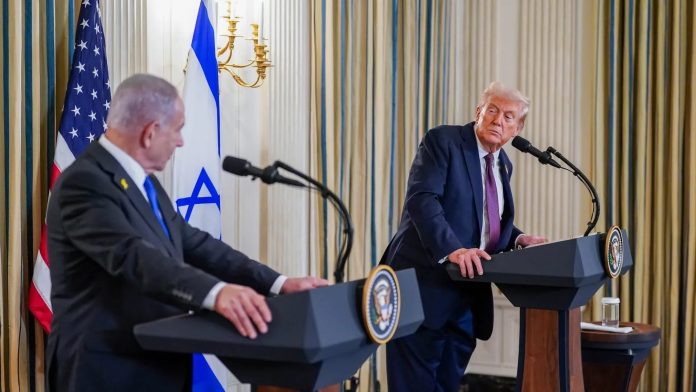
Apr 18(Jowhar) Benjamin Netanyahu ayaa ka carooday hadalka Trump ee ahaa in aan duqeyn dambe laga fulin karin gudaha dalka Lubnaan, oo ay mamnuuc tahay, waxaana uu isticmaalay erayga ah “Enough is enough” (waa nagu filan tahay), Tani waxay si weyn uga yaabisay Netanyahu iyo kooxdiisa, maadaama uu ka hor imaanayo qoraalka rasmiga ah ee heshiiska xabbad-joojinta ee 10-ka maalmood ah.
Lingering doubts about effectiveness of Middle East ceasefire
Between the Tide and the Table: A Fragile Pause in a Region That Knows No Quiet
There is a peculiar hush that settles over port cities after the world’s commerce is reminded how thin the thread of global supply really is. In the early hours after the announcement that the Strait of Hormuz would be reopened and a ceasefire in southern Lebanon would hold—for now—fishermen in Bandar Abbas spoke in the same low voice as shopkeepers in Tyre: relief edged with suspicion.
“You breathe easier for a day, then the radio reminds you how quickly the sea can turn hostile again,” said Reza, a fifty-year-old fisherman who has watched supertankers cut through the hormones of the Gulf for three decades. “If the mines are cleared, good. But will the crew sleep tonight?”
This week’s diplomatic choreography—quiet, relentless, and at times oddly domestic—has been a study in confidence-building. After months of tit-for-tat strikes, accusations, and a collapse in talks that had once been fragile but workable, Washington and Tehran appear to be inching toward a more durable truce. Pakistan, long used to sitting at tables without fanfare, has played the unshowy host and intermediary. Across the region, those familiar with the rhythms of diplomacy say this is the exact moment when words matter as much as weapons.
Checklist Diplomacy: The Small Wins That Feel Monumental
It helps to think of what negotiators are actually doing as ticking boxes on a very messy to-do list. Over the past 48 hours that list grew shorter.
- Ceasefire in Lebanon: Check (for now)
- Reopening of the Strait of Hormuz to commercial traffic: Check
- Early confidence-building measures between the United States and Iran: Check
None of this is irreversible. Nothing about peace in this part of the world ever truly is. Yet each “check” carries downstream consequences that matter: tankers that had loitered far from the Gulf are being asked to re-route; oil traders recalibrated their bets and Brent fell roughly 10% in the immediate aftermath; and diplomats who had been pacing in Islamabad were suddenly back at the table with a sense that momentum can be manufactured if the players want it.
“These are the baby steps of de-escalation,” said Amina Khalid, a Karachi-based analyst who helped coordinate back channels for track-two diplomacy. “You don’t solve decades of distrust overnight. But you can change immediate incentives—reduce the risk of an accidental flare-up, make the cost of returning to violence higher.”
What the Strait Reopening Really Means
The Strait of Hormuz is not just a narrow piece of water between Iran and Oman. It is an artery: historically, nearly one-fifth to one-third of the world’s seaborne oil has passed through its choke point. So headlines about it reopening carry the double meaning of local safety and global economics.
Oil markets responded predictably. A roughly 10% drop in prices is not trivial; it erases a market premium that had been built on fears of prolonged disruption. But price moves do not instantly translate into barrels on the water. Insurance premiums, crew willingness to transit, and the time needed to verify that previously laid mines have been neutralized—all of these slow the return of full flows.
“Even if the strait is declared open, carriers will demand concrete proof of safety. That’s not a rhetorical checkmark,” said James Hollis, an energy risk consultant in London. “We could still see a lag of weeks or months before supply normalizes.”
On the Ground: Lebanon’s Fragile Pause
In southern Lebanon, where the landscape is a patchwork of olive groves, scarred towns, and checkpoints, the ceasefire is holding in the sense that artillery quieted and the immediate rush of displacement has slowed. But the conditions that produced the violence remain.
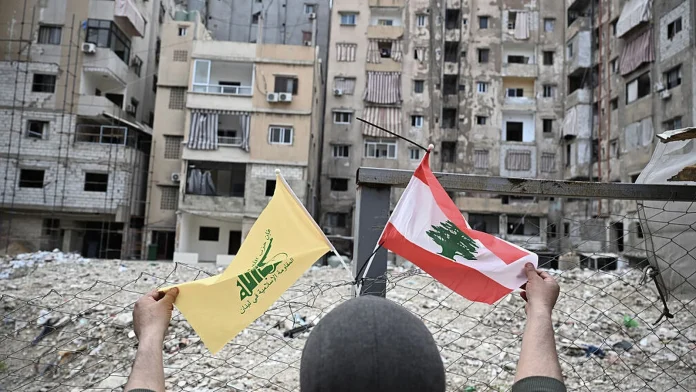
“We welcome the calm, but calm without justice is a temporary gift,” said Nour Hassan, a schoolteacher from a village near the Israeli border. “Hezbollah says Israeli forces must leave. People cannot go home while soldiers occupy their fields.”
Hezbollah’s demand for a full withdrawal of Israeli Defense Forces from southern Lebanon is not just a political red line; it’s a daily reality for thousands who have been told by authorities that their homes are not yet safe. The pause brings time—time to negotiate, time to rebuild trust—but it also highlights how unevenly that time is used.
The Hardest Item on the Agenda: The Nuclear Question
And then there is the hardest item: Iran’s nuclear program. There are fewer quick wins here. The technical, legal, and political hurdles that separate a temporary pause from a long-term settlement are enormous.
At the center of any sustainable agreement is the question of verification. Who monitors Iran’s enrichment levels? How is the stockpile accounted for? Is the International Atomic Energy Agency given full access to sites and data? These issues have broken talks before.
“You can close ports and calm skies, but without ironclad verification mechanisms, the underlying insecurity persists,” said Dr. Lara Ben-Ami, a nonproliferation expert. “That is why this is the stickiest point. It determines whether the ceasefire is a bridge to a real deal or just a lull.”
Political Theater and Hard Realities
Back in Washington, the addition of senior figures to the negotiating team—most notably the vice president—has been read by insiders as an effort to signal seriousness. A range of voices in the U.S., from hawks to isolationists, have pushed the administration to balance firmness with a clear exit strategy.
At home, former President Donald Trump—still a polarizing figure with a large following—used his social platform to underline that certain measures, notably a naval blockade directed at Iran, would remain “in force” until any negotiation was complete. Whether that posture helps or hinders diplomacy is an open question: it reassures some domestic constituencies and alarms others abroad.
“Public bluster is part of the game,” said a European diplomat speaking on condition of anonymity. “But the substantive work happens in hotel conference rooms, not on social apps.”
Why Pakistan?
Pakistan’s role is both practical and symbolic. Islamabad has the diplomatic networks across the region, ties with both Tehran and Washington, and the space to host talks away from the glare of regional capitals. It also gains stature—defusing a crisis raises a country’s soft power in subtle but real ways.
“We hosted because instability on our doorstep is not in anybody’s interest,” said a Pakistani official. “Our hope is that the modest facilitation we offer today can prevent larger conflagrations tomorrow.”
What Comes Next—and What You Can Watch For
The announcements of the last 48 hours are important. But they are not destiny.
- Will monitors be allowed unfettered access to sensitive sites in Iran?
- Will Hezbollah and Israel translate ceasefire rhetoric into troop adjustments on the ground?
- Will commercial mariners feel safe enough to resume normal routing through the Strait?
Each of these is a test. Each will be watched by commanders, investors, and families who have learned that peace can be fragile and that a single misstep—an undetonated mine, a misread signal on a ship’s radar, a provocative statement on social media—can snap a truce like a brittle twig.
So ask yourself: how do we measure success in diplomacy? By headlines that declare an agreement signed—or by the slow accretion of lowered risk, of children returning to school, of markets normalizing, of fishermen going back to sea? The answer, as ever, is both. And until the hardest questions are solved—the monitoring, the withdrawal, the nuclear accounting—the world will continue to watch, hoping that this pause becomes something more than a pause.
For now, people in port cafés and kitchen tables from Tehran to Beirut are choosing to believe, cautiously. That in itself counts for something.
Senior UK civil servant forced out amid Mandelson vetting controversy
When Trust Cracks: A London Scandal, a Washington Posting, and the Quiet Machinery of Security
On a damp Paris morning, as flags fluttered in the cool air and cameras hungrily tracked every handshake, Britain’s prime minister stood beside Emmanuel Macron to talk about reopening a fragile shipping lane in the Strait of Hormuz. Inside the diplomatic choreography, however, a domestic cyclone was gathering—quiet, bureaucratic, and corrosive.
Word leaked that a once-powerful political operator, offered the plum post of UK ambassador to the United States, had been granted the highest tier of Britain’s security clearance—against the explicit recommendation of senior security vetting officials. The decision has triggered resignations, fury in Downing Street, and a cascade of questions about judgment, process, and the often-invisible gatekeepers who decide who can be trusted with the nation’s secrets.
From Boardrooms to Back Channels
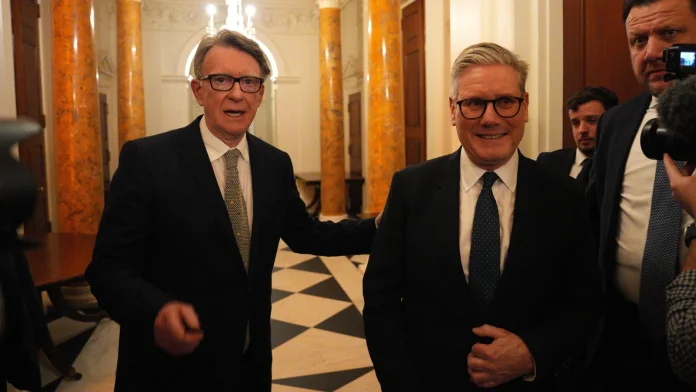
Peter Mandelson’s short-lived appointment to Washington—already controversial because of his political history and past associations—became a test case for the integrity of the state’s security apparatus. According to senior officials who spoke on condition of anonymity, the Cabinet Office’s initial background checks raised a “general reputational risk.” That was before the deeper, confidential stage of developed vetting (DV), the kind of clearance that includes interviews, checks on personal relationships and finances, and which can determine whether someone is fit to be given access to highly sensitive material.
“DV is binary,” said a former vetter who now lectures on national security, explaining the process. “Either you’re cleared or you’re not. It’s not about shades of grey. It’s about whether a candidate presents a vulnerability that could be exploited.”
What set off alarms this week was not just that vetters had refused clearance, but that officials in the Foreign Office reportedly overruled that refusal and issued the clearance anyway. The result: senior civil servants are leaving, ministers are angry, and the prime minister says he was not informed until days later.
People on the Ground: Voices That Tell the Other Side of the Story
Walk the streets around Westminster and you hear the story told in small, textured ways. At a greasy spoon near the Palace of Westminster, a barista wiped down a table and shrugged. “It’s the same song,” she said. “If you don’t know what’s happening in your own garden, how do you keep anyone else safe?”
A long-serving Foreign Office official, who asked not to be named for fear of reprisal, spoke of “a culture of fixes”—where political pressures and operational judgments sometimes collide. “Sometimes there’s a nervousness that a career path gets blocked, or a fear of rocking the boat. But security clearance shouldn’t be a matter of convenience,” they said.
Across the water in a quiet embassy office, a junior diplomat muttered, “We used to be able to trust the process. People moved on. Now there’s this feeling that rules bend.”
Scenes from Paris and a Broader Diplomatic Cost
The timing of the disclosures was brutal. Mr Starmer had chosen Paris to host a summit with France on maritime security—an event designed to display calm leadership and cross-Channel solidarity. Instead, he faced questions about judgment and oversight back home. A Downing Street source told me the prime minister was “absolutely furious” when he learned of the overruling and immediately ordered an internal fact-finding exercise.
Diplomats elsewhere bridle at the idea that staff in sensitive posts might have been cleared in a way that appears opaque or politicized. “America notices,” a former ambassador said. “Washington watches how we fill our senior jobs—who speaks for Britain matters globally, and not just for photo-ops.”
The Mechanics of Vetting—and Why They Matter
Security vetting in the UK operates on tiers: basic checks for routine roles, Security Check (SC) for access to secret material, and Developed Vetting (DV) for the most sensitive positions. DV can include interviews with friends and family, scrutiny of finances, and a review of any foreign contacts. The point is to identify whether a person can be blackmailed, coerced, or inadvertently manipulated—risks that could compromise national security.
- Basic: identity and criminal background checks
- SC (Security Check): deeper checks for secret-level access
- DV (Developed Vetting): highest level, in-depth personal scrutiny
“If you cut corners on that, you undermine everything else,” said Dr. Mina Patel, a security studies lecturer who has advised government departments. “The public doesn’t see the toil that keeps sensitive channels secure. They only notice when it fails.”
Political Fallout: Calls for Accountability
Opposition leaders were quick to pounce. Critics argue that if the prime minister did not know who had been cleared—or, worse, if he misled Parliament about it—then his position becomes untenable. “If the prime minister doesn’t know what’s happening in his own office, he shouldn’t be in charge,” one opposition figure told me. “This is about competence and candour.”
Inside Labour circles there is unease. Some ministers say they were not informed when decisions were made, and a former chief of staff has already publicly taken “full responsibility” for advice that led to a controversial appointment. He also called for a fundamental overhaul of the vetting system—a rare, frank admission of systemic failure.
What This Says About Power and Transparency
At its heart, the episode is about trust: in institutions, in leaders, and in processes meant to insulate national security from political whim. It raises uncomfortable questions. Are political appointments being treated with the same scrutiny as career diplomats? Has the cultural deference around personalities eclipsed institutional caution?
And it asks something of readers too: how much transparency should the public demand when the state is, by necessity, allowed to keep secrets? Where do we draw the line between necessary confidentiality and the right of citizens to know the criteria by which the most sensitive roles are filled?
Looking Forward
Investigations are under way. A top civil servant is reported to be leaving their post, and a formal review into why the vetting decision was overturned has been ordered. More documents are expected to be released to Parliament. For the moment, the government says it is “working urgently” to comply.
Yet the consequences will ripple. Beyond the immediate personnel changes, this episode may accelerate calls to reform vetting—clarifying its independence, speeding up timelines, and installing clearer lines of accountability. For foreign policy, it is a reminder that domestic governance matters; how we manage reputational and security risks at home affects credibility abroad.
What do you think? Should political appointees be subject to the same rigid vetting as career diplomats? And if a security body flags a concern, who should have the final say—the technicians with the evidence, or the elected officials who must answer to voters? The answers will determine not just who sits in embassy buildings, but how a nation balances secrecy, safety, and public trust.
In the soaked calm of a Parisian square, cameras moved on. Back in Westminster, the corridors are quieter, but the questions echo. Institutions are tested not just by crises abroad, but by the daily decisions we make about competence and candour. Today it was a clearance form; tomorrow it could be something far bigger. Either way, the state will need to show it can be trusted to keep its promises—and its secrets—without bending when pressure comes calling.
Iran threatens to close Strait of Hormuz if US naval blockade continues
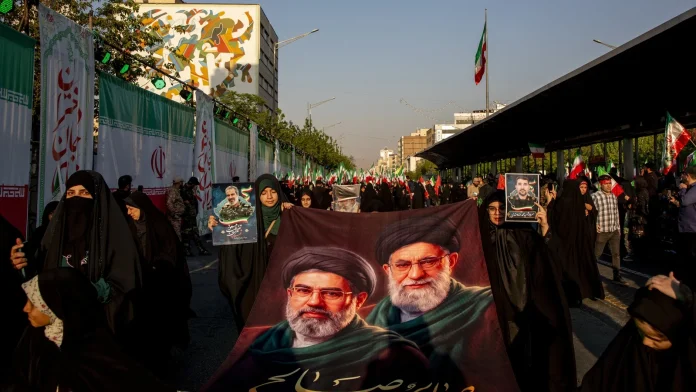
A Fragile Passage: The Strait of Hormuz Reopens—and the World Holds Its Breath
At first light along the Iranian coast, fishermen in Bandar Abbas brewed tea and watched an empty horizon the way people watch a sleeping city—expectantly, nervously, as if anything could wake it. For three weeks the sea lanes that feed the modern world had been eerily quiet. Then, like the hesitant first notes of a symphony, news arrived: Tehran would temporarily reopen the Strait of Hormuz after a US-brokered 10-day truce between Israel and Lebanon showed early signs of holding.
“We heard it on the radio and went down to the quay,” said Karim, a 54-year-old fisherman who asked that only his first name be used. “You can feel it in your bones—hope, but also the sense that this can change overnight. We don’t trust the horizon yet.”
The strait is not only a slice of shimmering water; it is a circulatory system for global energy and commerce. Historically, about one-fifth of seaborne oil trade has transited the narrow chokepoint, moving millions of barrels every day into global markets. When it closes—partially or entirely—prices spike, industries stutter, and small businesses halfway across the world feel the pinch.
The Deal and the Catch
Iran’s Foreign Minister, Abbas Araqchi, posted that the strait would be open to all commercial vessels for the duration of the ten-day truce. The pause follows an agreement between Israel and Lebanon, brokered by the United States, after weeks of escalating hostilities that saw Hezbollah enter the fight and an intensifying Israeli offensive that has killed nearly 2,300 people, according to Lebanese authorities.
At a campaign rally in Arizona, President Donald Trump hailed the announcement as “a great and brilliant day for the world.” Yet the relief was cautious: Washington has tied the reopening to its own naval measures. The US has imposed a blockade on ships heading to Iranian ports, a pressure tactic it says will remain “until our transaction with Iran is 100% complete,” Mr. Trump told Reuters.
In Tehran, the reaction was blunt. Senior officials warned that the strait could be shut again if the blockade continued. “The Strait of Hormuz will not remain open if our ports are blocked,” said Mohammad Baqer Qalibaf, the parliament speaker, in a social media post that reflected the acute sensitivity in Tehran to perceived encirclement.
Movement, Then Retreat
Shipping data captured a tentative test of the water: roughly 20 vessels—container ships, bulk carriers, and tankers—moved toward the strait. For many, the transit proved momentary; most ships turned back, the reasons unclear. Among them were three container vessels operated by French giant CMA CGM, which declined to comment. It was the largest attempted movement since the conflict began.
“We run risk assessments by the hour now,” said Elena Morales, a senior maritime risk analyst in London. “Even a single mine or a claim that a vessel must coordinate with the Islamic Revolutionary Guard Corps changes the calculus for insurers, charterers, and port operators. The announcement reduced one layer of uncertainty, but it also introduced new ones.”
One such new rule: Iran now requires all ships to coordinate with the Islamic Revolutionary Guard Corps (IRGC), something that was not standard before the recent fighting. Iran’s Defence Ministry also said warships and vessels linked to “hostile forces”—a clear reference to the US and Israel—are still barred from passage.
Mines, Market Ripples, and Global Offers
Commercial maritime insurers and naval authorities sounded warnings about sea mines and unexploded ordnance. The US Navy advised mariners that the mine threat was still not fully understood and urged caution. That caution had quick economic consequences: oil prices tumbled by roughly 10% on the news that shipping might flow again, while global stock markets rallied on the prospect of easing supply-chain pressure.
More than a dozen countries, after a video conference called by Britain, said they were prepared to join an international mission to protect shipping in the strait—should conditions permit. The offer reflects both the strategic importance of the waterway and the anxiety of nations whose economies depend on steady flows of energy and goods.
Diplomacy on a Tightrope
Negotiations continue on multiple fronts. Iran says it will not surrender its right to a civilian nuclear program; the US has pushed for a sweeping limitation. At talks in Islamabad last weekend, the US reportedly proposed a 20-year suspension of Iranian nuclear activity, while Tehran offered a shorter pause—three to five years—according to participants. Two Iranian sources suggested there were glimmers of compromise on removing a portion of Iran’s enriched uranium stockpile; President Trump said the US would remove that material.
“We’re going to go in with Iran, at a nice leisurely pace,” Mr. Trump told Reuters, speaking about the plan to remove enriched materials. “We’ll bring it back to the United States.” Iran’s spokesperson fired back that the material would not be transferred anywhere.
Behind the formal wrangling sit human stakes: Iran hopes a preliminary agreement could extend the ceasefire and unfreeze billions of dollars in assets as part of a larger deal that might also include compensation for wartime damage. A Pakistani source close to the mediation suggested an initial memorandum of understanding could be followed by a comprehensive peace agreement within 60 days—if the fragile momentum holds.
Voices from the Frontlines
“We want bread, not headlines,” said Layla, a shopkeeper in a coastal town near the strait, winding a scarf around her wrist. “Every time they say the passage is open, someone says it might close again. My suppliers have been delayed for weeks. People are tired of politics dictating whether they can buy flour.”
A veteran cleric, Ahmad Khatami, spoke at prayers with a tone that underlines the internal tensions in Tehran: “Our people do not negotiate while being humiliated.” That sentiment captures a broader dilemma—how to reconcile national dignity with the economic and human costs of protracted conflict.
What the Reopening Means—and What It Doesn’t
The temporary reopening is a sliver of relief in a season of instability, not a return to normalcy. Mines remain a menace; rules of passage have changed; and the shadow of further closures looms. For seafarers who have become adept at reading both the weather and politics, this is another day to be cautious.
So what should the world take from this? That chokepoints like Hormuz are more than oil pipelines; they are focal points where diplomacy, military posture, commerce, and everyday livelihoods converge. A single tweet, a naval order, or a cleric’s sermon can ripple across continents.
And for you—where do your priorities lie when global security intersects with daily life? Would you accept tough diplomatic compromises to keep tanker lanes open, or insist on firmer guarantees even if it risks renewed confrontation? The answers are not abstract—they will shape insurance premiums, energy bills, and the next generation’s memory of whether the sea can be a passage for peace.
For now, the horizon remains watchful. The tea cools in the cups along the quay. Ships will try again. Leaders will meet. And somewhere between the ebb and flow of waves, lives will be rearranged by decisions made in rooms far from the water’s edge.
Madaxweyne Xasan oo ka qeybgalay Madasha Diblumaasiyada ee Antaaliya
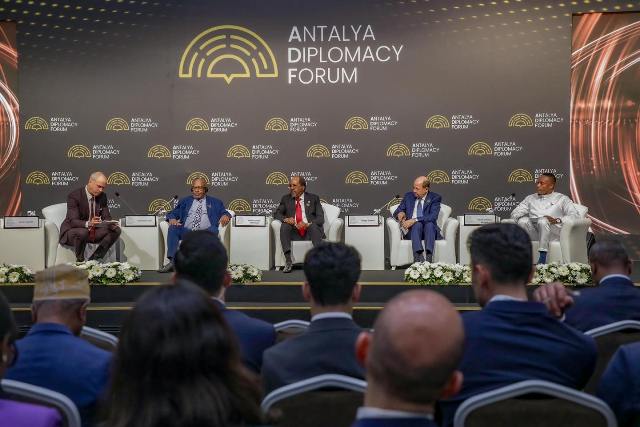
Apr 17(Jowhar) Madaxweynaha Jamhuuriyadda Federaalka Soomaaliya, Mudane Xasan Sheekh Maxamuud ayaa ka qeyb galay Madasha Hoggaamiyeyaasha Diblumaasiyadda Antaaliya ee dalka Turkiga, taasi oo ka qayb galayaan madax dowladeed, diblumaasiyiin iyo hoggaamiyeyaal siyaasadeed
Two children discovered dead in a car amid France’s heatwave
Europe braced for a punishing heatwave to tighten its grip today, with forecasters warning the blistering conditions will worsen in the days ahead and...
Trump Warns of Jail Time for Alleged Vandalism at Washington Pool
US President Donald Trump is warning of decade-long prison terms for anyone he says tries to spoil one of the most visible projects bearing...
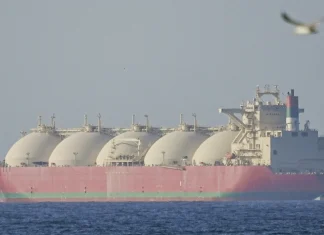
Iran Negotiator: Strait of Hormuz Should Be Administered by Tehran
Iran’s lead negotiator Mohammad Bagher Ghalibaf said Tehran will take charge of administering the Strait of Hormuz, according to state media, after talks aimed...

World Cup 2026 recap: France cruises to 3–0 win over Iraq
In a thrilling World Cup 2026 match, France secured a dominant 3-0 victory over Iraq in their opening game of the tournament. The French...
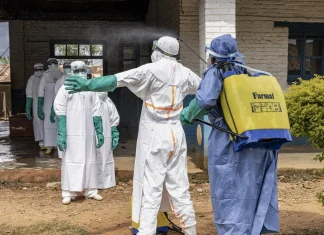
DR Congo Ebola cases top 1,000 as death rate reaches 25%
Crossing a grim threshold, the Democratic Republic of Congo has now logged more than 1,000 Ebola infections in its latest outbreak, which has already...