Home Blog Page 44

Iran Responds to U.S. Proposal to End War, Sources Say

Iran sends response to US proposal to end war - reports
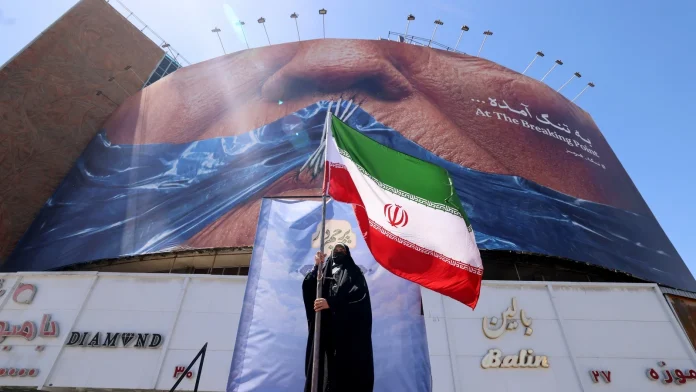
An Iranian woman stands with an Iranian flag in front of a billboard portraying Donald Trump in Tehran's Valiasr Square

In the Shadow of the Strait: A Fragile Reply, Drones and the Price of Passage

At first light, the Strait of Hormuz looks almost indifferent to the politics that circle it. Fishermen in stained rubber boots push out their nets while gleaming tankers bob like distant islands, their hulls full of a commodity that still defines modern geopolitics: oil. Yet beneath that everyday rhythm, a hum of tension has begun to replace the usual sea-breeze calm—an uneasy soundtrack to diplomacy, threats and the occasional burst of violence.

A paper handed across borders

In the middle of this uneasy tableau came a document: Tehran’s formal reply to a US-proposed plan, delivered through Pakistan, according to Iran’s state-run news agency. It wasn’t a sweeping peace treaty. Instead, officials in both capitals say the idea on the table is modest—and intentional: a temporary memorandum of understanding that would pause active hostilities, reopen shipping lanes through the strait, and buy time for tougher, more contentious talks on things like Iran’s nuclear programme.

“We need a pause first, then the long work,” said a Pakistani diplomat involved in back-channel discussions, speaking on condition of anonymity. “Think of it as creating a space where negotiators can breathe.”

Diplomacy at this stage looks a little like triage. Mediators—Pakistan and Qatar have taken visible roles—are being asked to shepherd two adversaries back from the edge with a paper that acknowledges neither side’s core grievances. For Tehran, the question will be trust: can Washington be relied upon not to pursue military options while talks unfold? For Washington, the worry is control of an international waterway and whether a deal could let Iran assert dominance over shipping lanes.

Skirmishes while diplomats talk

That distrust has real-world consequences. In the past week, drones struck at least one freighter making for Qatar, and South Korean authorities reported an attack on a cargo vessel that smoked and limped toward Dubai. The United Kingdom Maritime Trade Operations centre said a bulk carrier was hit by an unknown projectile; the blaze was small and quickly extinguished, and there were no casualties.

“You’re always watching the horizon now. Every dot of smoke is a threat,” said Reza, a longshoreman on Iran’s southern coast, his hands still smelling of tar. “We used to worry about storms. Now we worry about drones.”

Iran’s military leaders, state television reported, met with the supreme leader and received “new directives” to continue confronting what they called enemy actions. Parliamentary security spokespeople posted that “our restraint is over.” On the other side, US officials warned any attack on vessels carrying American flags would trigger a robust response.

Who’s involved—and what they want

The cast of characters reading this drama from the wings includes Qatar and Pakistan as mediators, the United States and Iran as principals, and Gulf states—most notably the United Arab Emirates and Kuwait—who have accused Iran of being behind recent drone incursions. The UAE said its air defenses engaged two unmanned aerial vehicles, while Kuwaiti forces reported dealing with hostile drones in their airspace.

“We are seeing a cluster of regional actors who are both alarmed and opportunistic. Qatar is trying to play peacemaker; the UAE and Kuwait are protecting their borders; Iran is leveraging its geography,” said a maritime security analyst who follows Gulf security trends closely. “The risk is that localized incidents spiral into wider conflict.”

Why one waterway matters so much

The Strait of Hormuz is small, but its economic footprint is vast. Historically, roughly one-fifth of the world’s seaborne oil has flowed through the strait—a figure that translates into millions of barrels every day. When traffic stalls, markets notice. Insurance premiums rise, shipping routes lengthen, and energy prices can spike globally in a matter of hours.

Companies reroute vessels around the Cape of Good Hope when tensions peak, adding thousands of miles and days to journeys. That affects not just fuel costs but fertilizer, natural gas and other traded goods. For sailors and port workers, the calculus is immediate: longer trips mean less pay; higher risks mean more stress.

Scenes from the waterfronts

Walk a dock in Bandar Abbas or Port Khalifa at dusk and you’ll get a sense of the human side behind the headlines. Tea is poured into chipped glasses, stories are exchanged about frightening flashes over the horizon, and families count on wages from ships that may tomorrow be diverted or detained. In Mesaieed, a Qatari fishing crew watched a freighter burn after what the country’s defence ministry said was a drone strike.

“The sea gives and the sea takes,” said Aisha, whose brother works on a cargo ship that sails those routes. “When something happens to a tanker or a freighter, we hear about jobs being lost. We feel it at home.”

Options on the table—and the traps

The temporary memorandum being discussed has obvious merits. It could restore commercial traffic through a critical choke point, lower the chances of incidental confrontations at sea, and create breathing room for negotiators. But temporary fixes also carry risks: if the underlying disputes—nuclear ambitions, sanctions, mutual distrust—aren’t addressed, the ceasefire can collapse just as suddenly as it was arranged.

Consider a few uncomfortable truths:

  • Trust is not rebuilt overnight. Confidence-building measures require verification mechanisms that both sides can accept.
  • A temporary truce could create a new status quo in which Iran sets up a tolling mechanism for ships—something the US has said it will not accept.
  • Missteps at sea—an unmanned aerial vehicle misidentified, a defensive missile misfired—can escalate faster than diplomats can convene.

From the local to the global

This is more than a regional spat. The debate over rights to an international strait, over the ability of a state to project power from its coasts, and over the use of unmanned systems in contested spaces speaks to broader global trends. We are witnessing a new phase where inexpensive technologies—drones, small missiles—can have outsized strategic effects. The global economy has grown interdependent and, as a result, fragile in the face of localized instability.

“Energy security today is as much about geopolitics as it is about supply lines,” said Fatima al-Sayegh, an economist specializing in commodity markets. “When a small, concentrated route like Hormuz is threatened, ripples turn to waves in global markets.”

What now—and what should we ask?

If the memorandum closes a window for immediate violence, that would be a relief—for sailors, for families, for traders. But a stopgap is not the same as reconciliation. Who will monitor compliance? What happens if Iran resumes activities inside its territorial waters that others view as aggressive? How, practically, will negotiators bridge the gap over the nuclear question?

Perhaps the most urgent question is this: can old models of diplomacy—state-to-state talks mediated by third parties—keep pace with a changing reality where small, remote actors can unleash regional shocks?

Whatever comes next, the men and women who haul containers, load tankers, and man the bridges of freighters will continue to shoulder the consequences. They know the sea in ways diplomats do not; they feel the risk in their bones.

As you read these words, imagine the bow of a freighter cutting through the narrow throat of Hormuz. Think about the ripple effects of a single strike: a small fire on metal, a crew’s frightened faces, an insurer tightening terms, a supermarket shelf a little emptier, a family’s budget stretched. The strait is not just a line on a map—it’s a slender thread in a global weave. Will negotiators stitch it back together, or will it fray further? The answer will shape economies, futures and everyday lives far beyond the Persian Gulf.

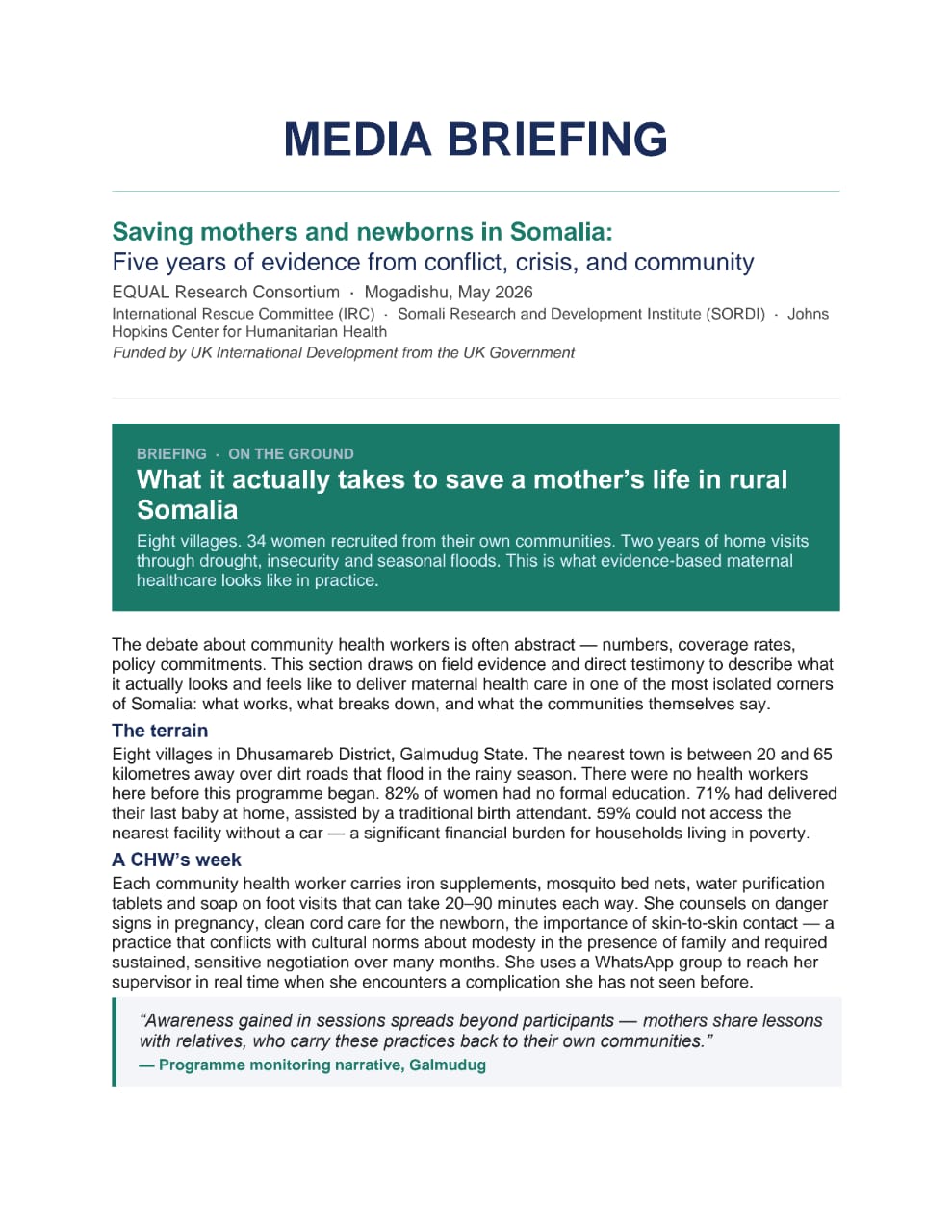
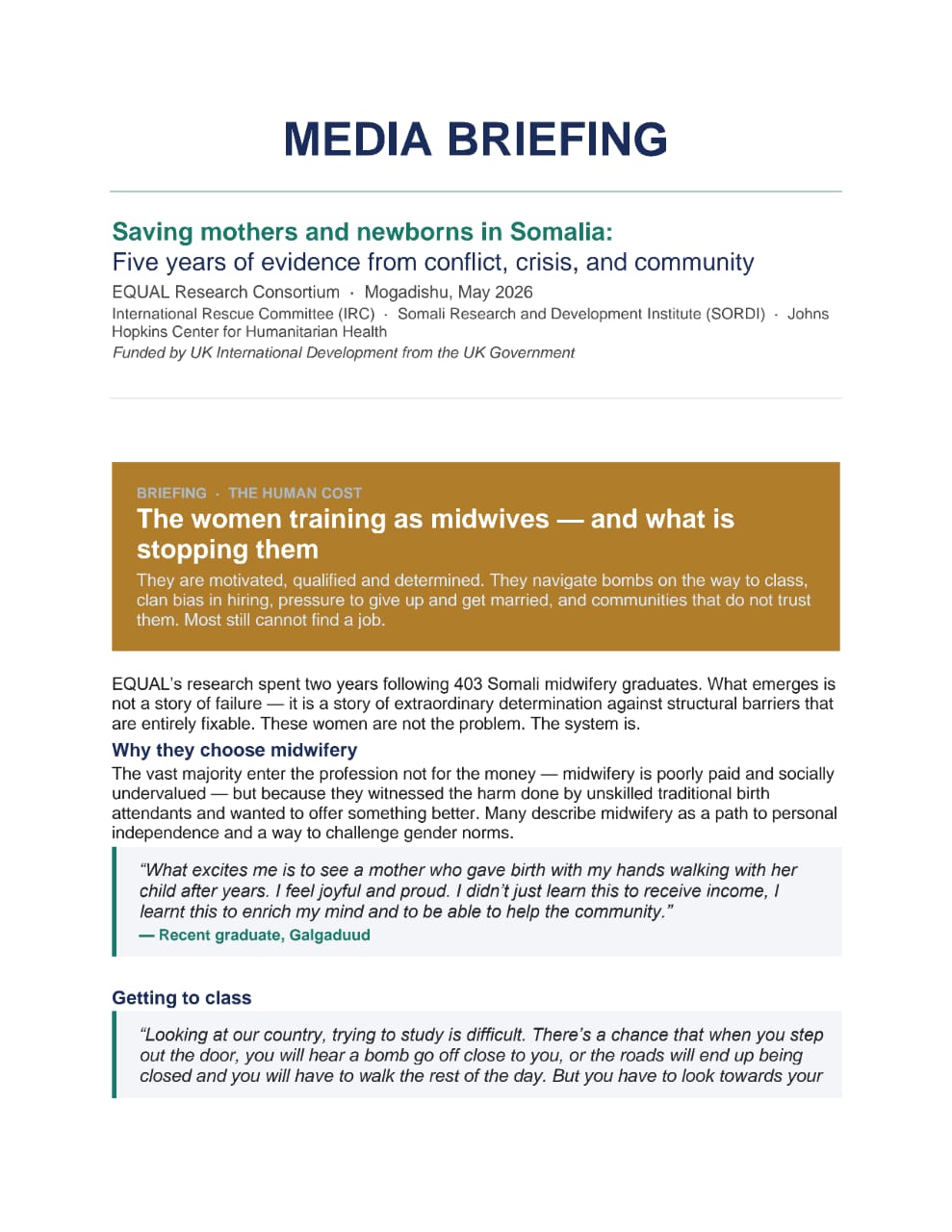
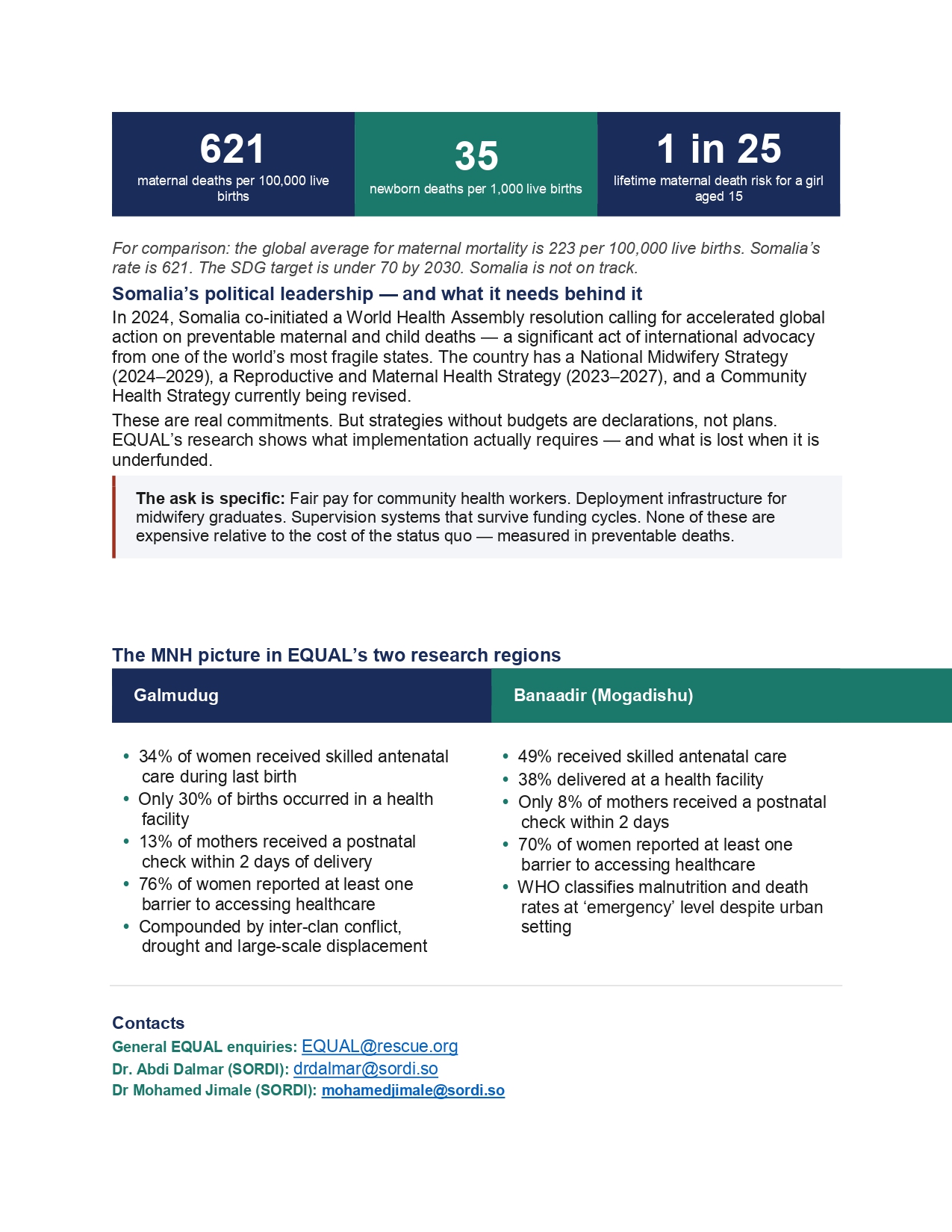
What it actualy takes to save a mother’s life in rural Somalia

Jowhar-10May2026

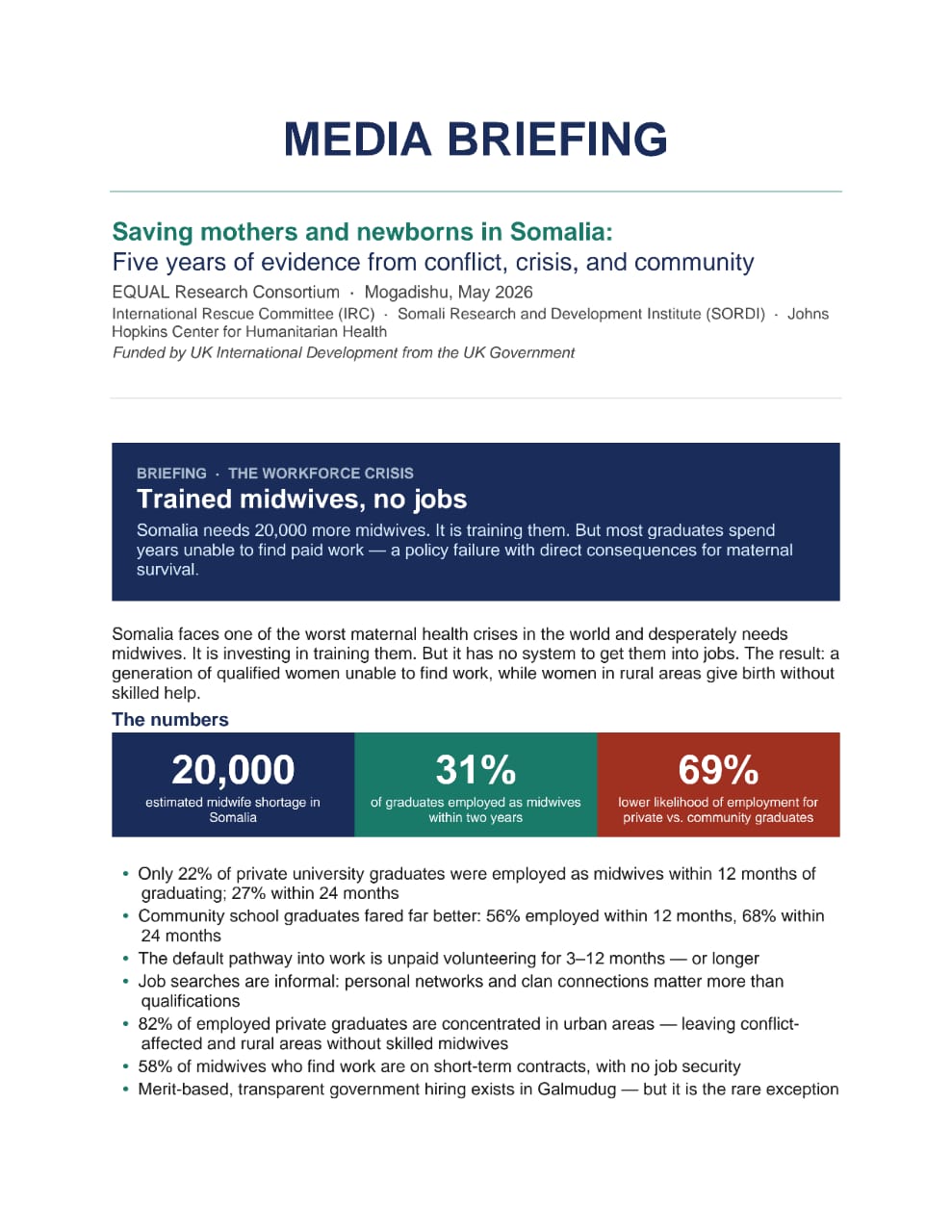
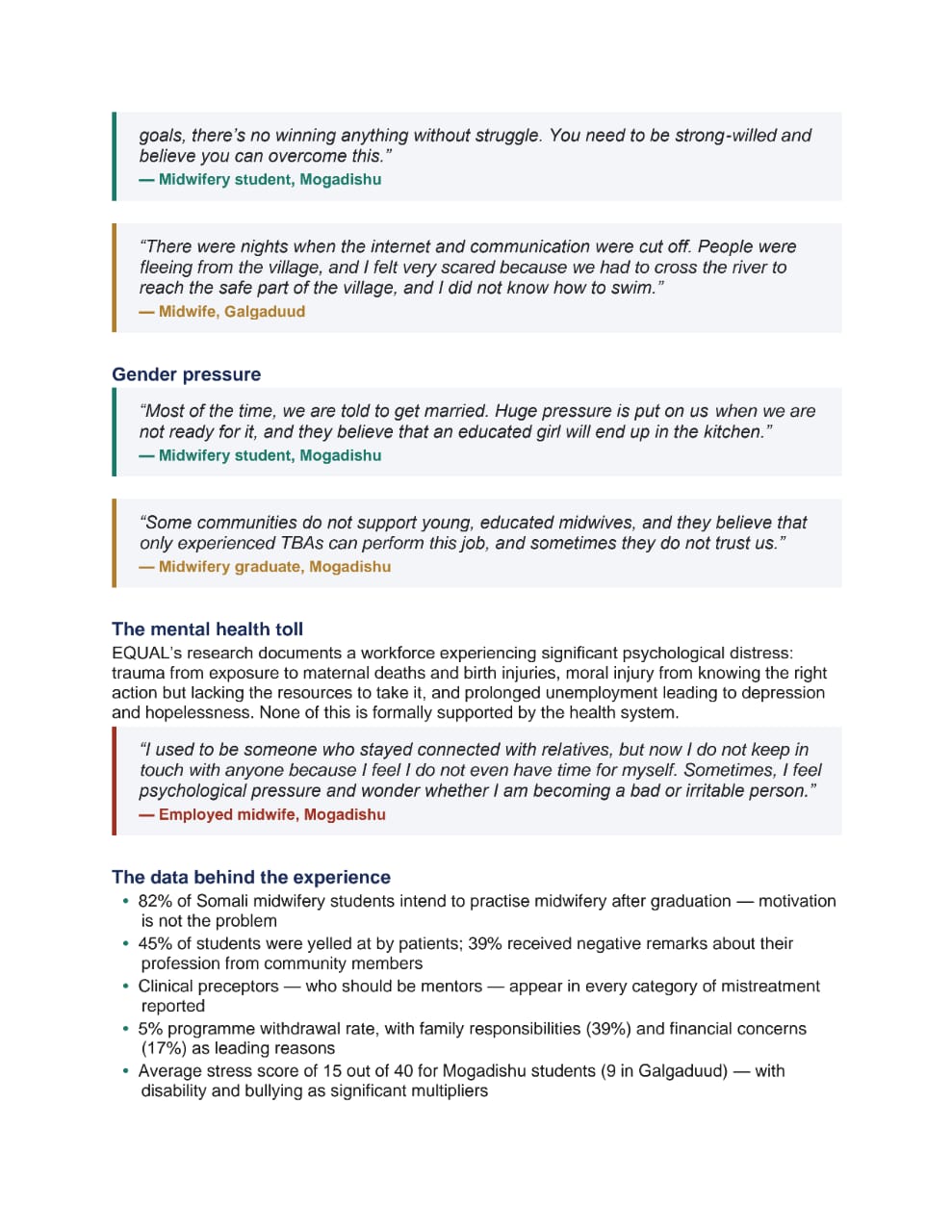
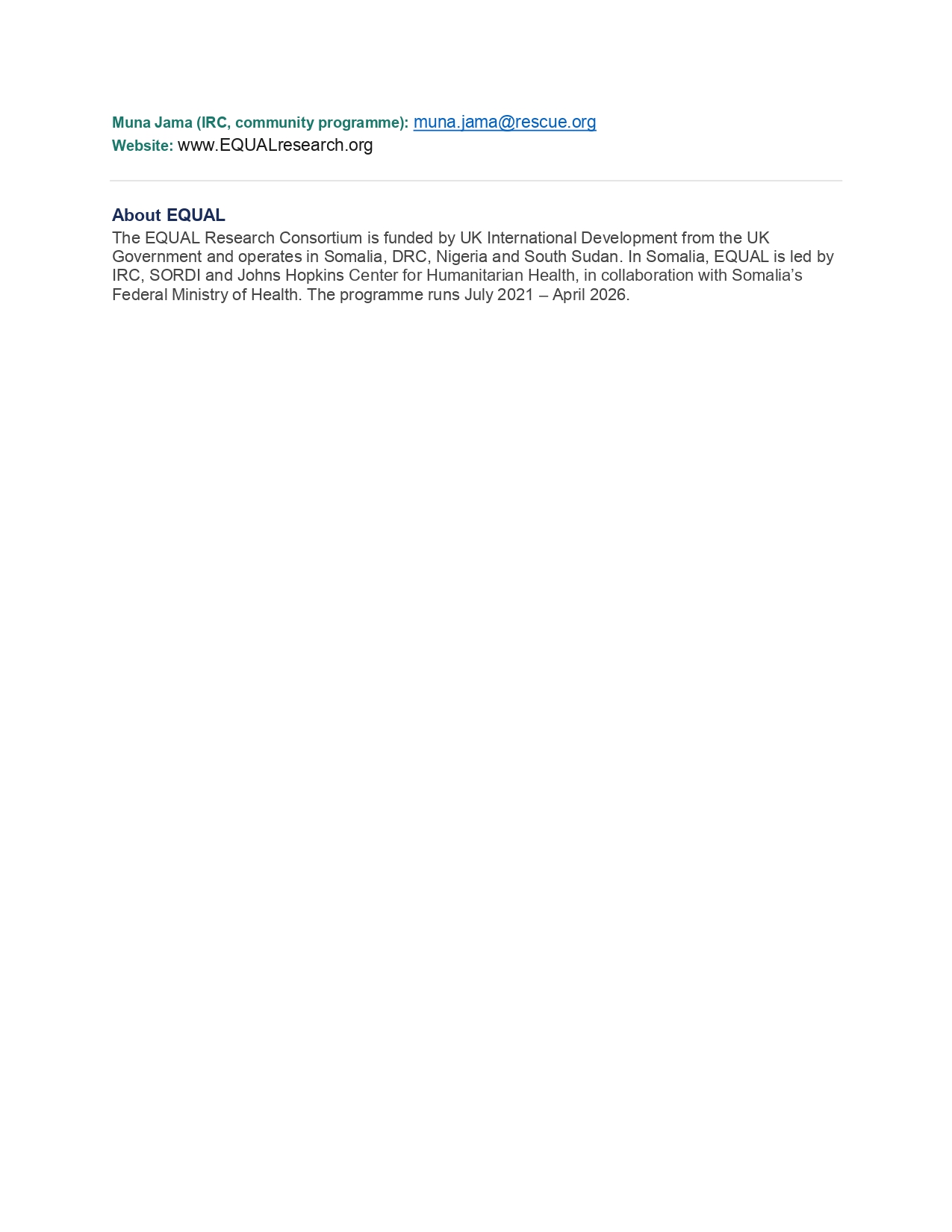
Trained Midwives No Jobs

Jowhar10May2026


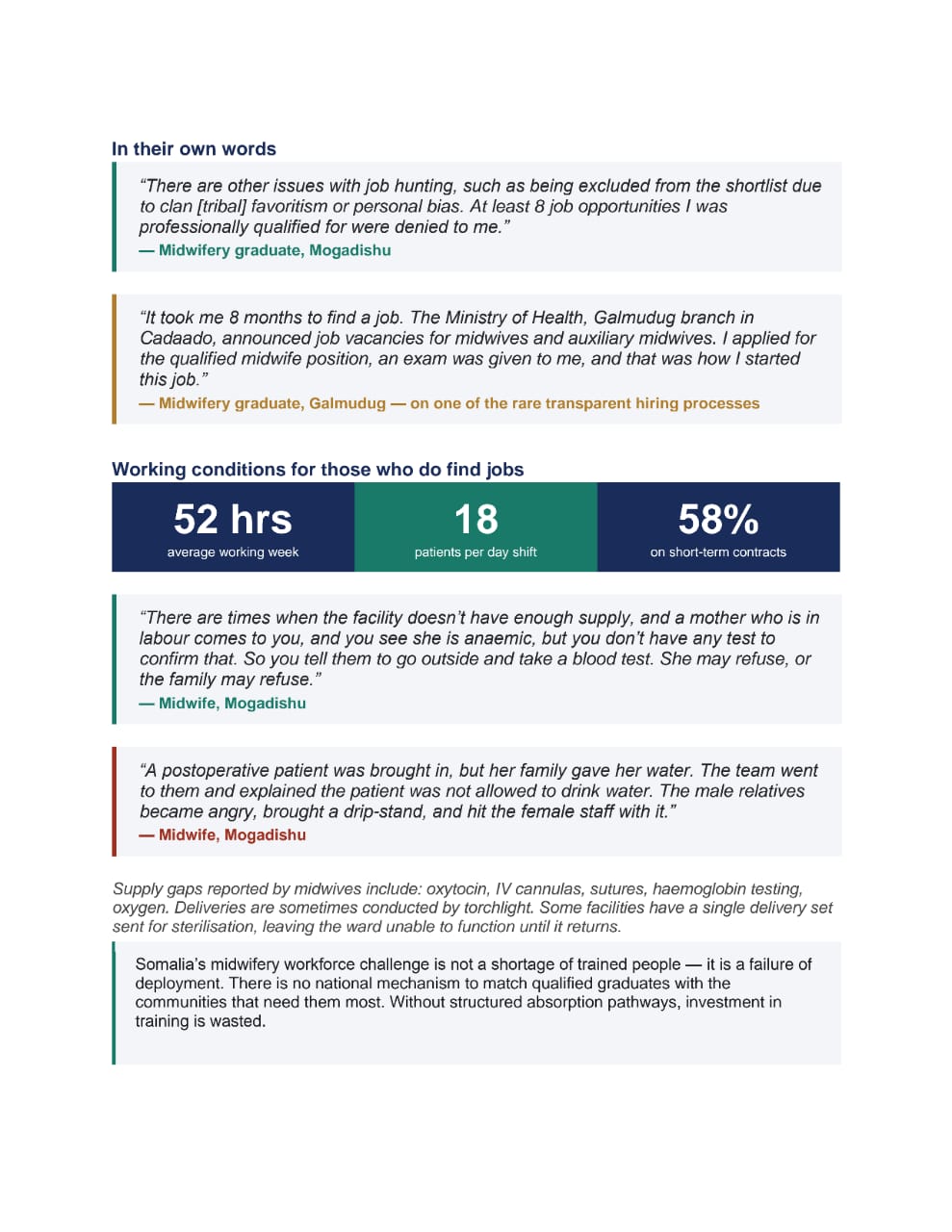
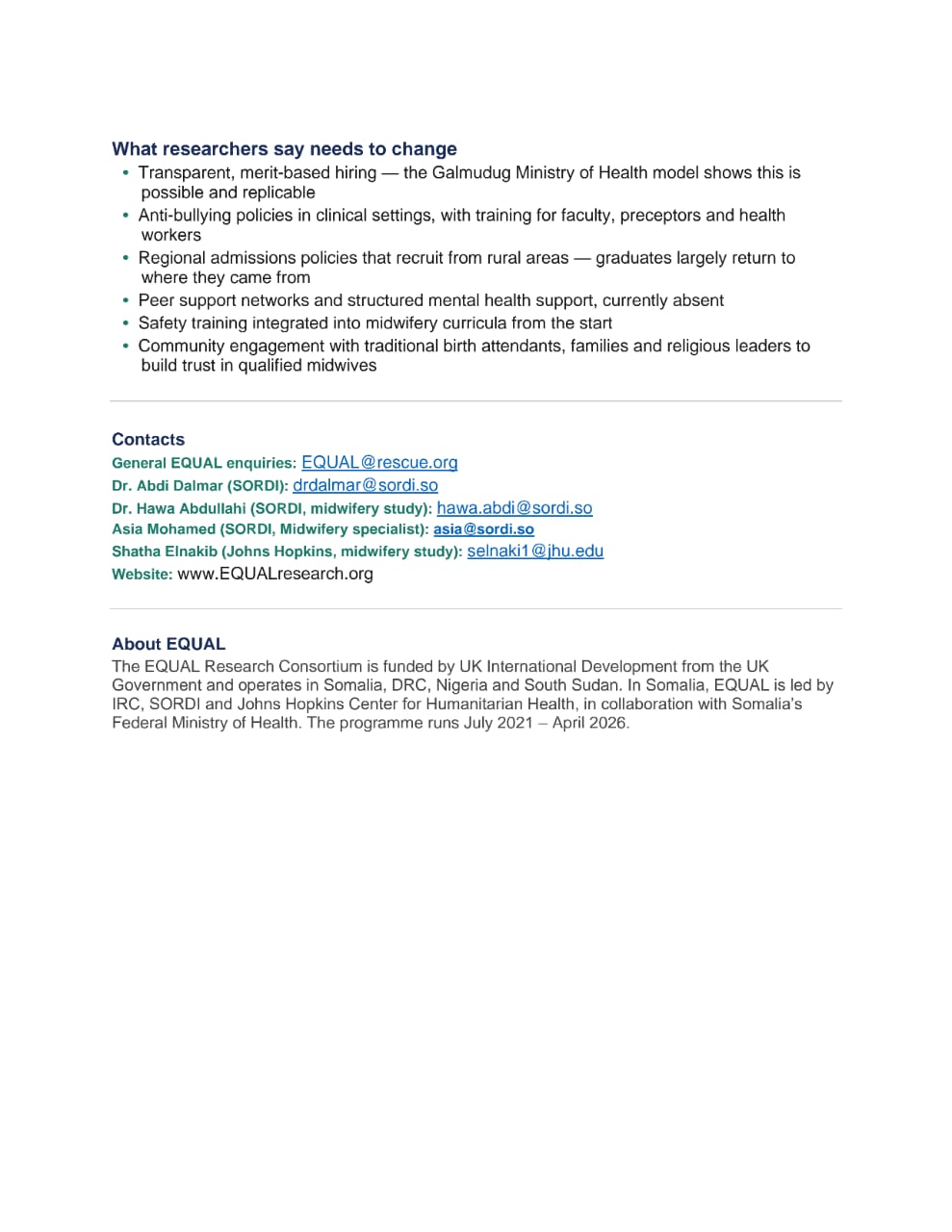
The Woman Training as Midwives and what is stopping them

Jowhar-10May 2026

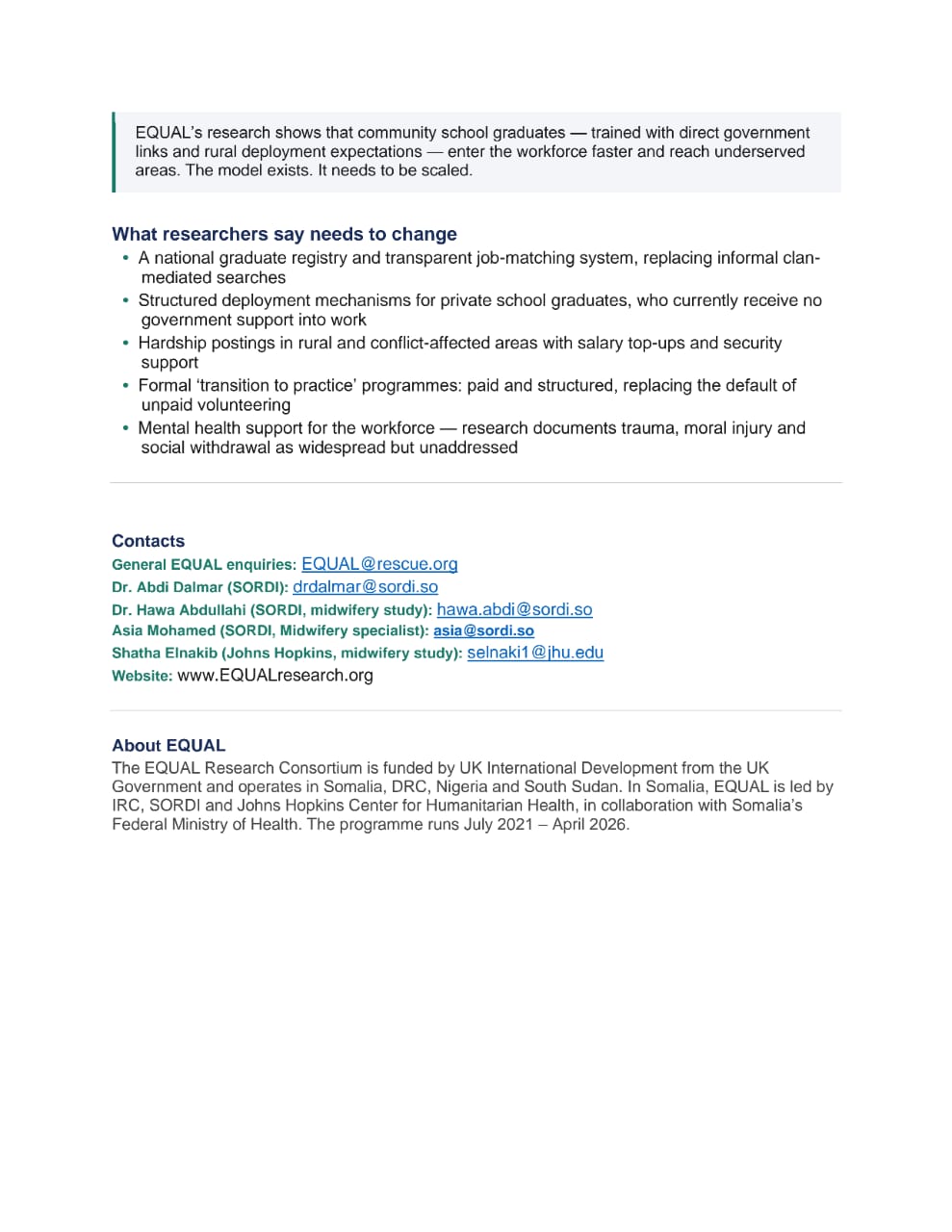
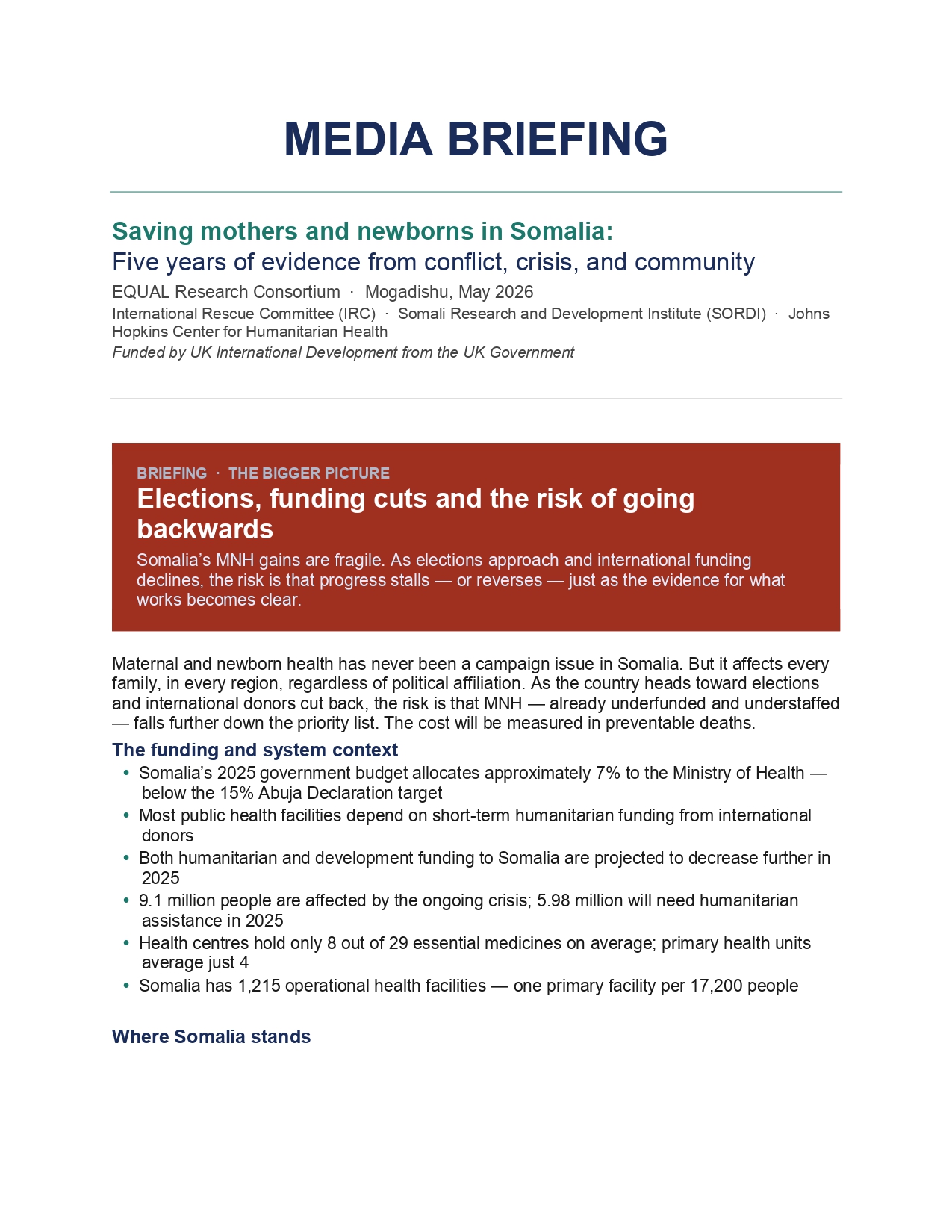
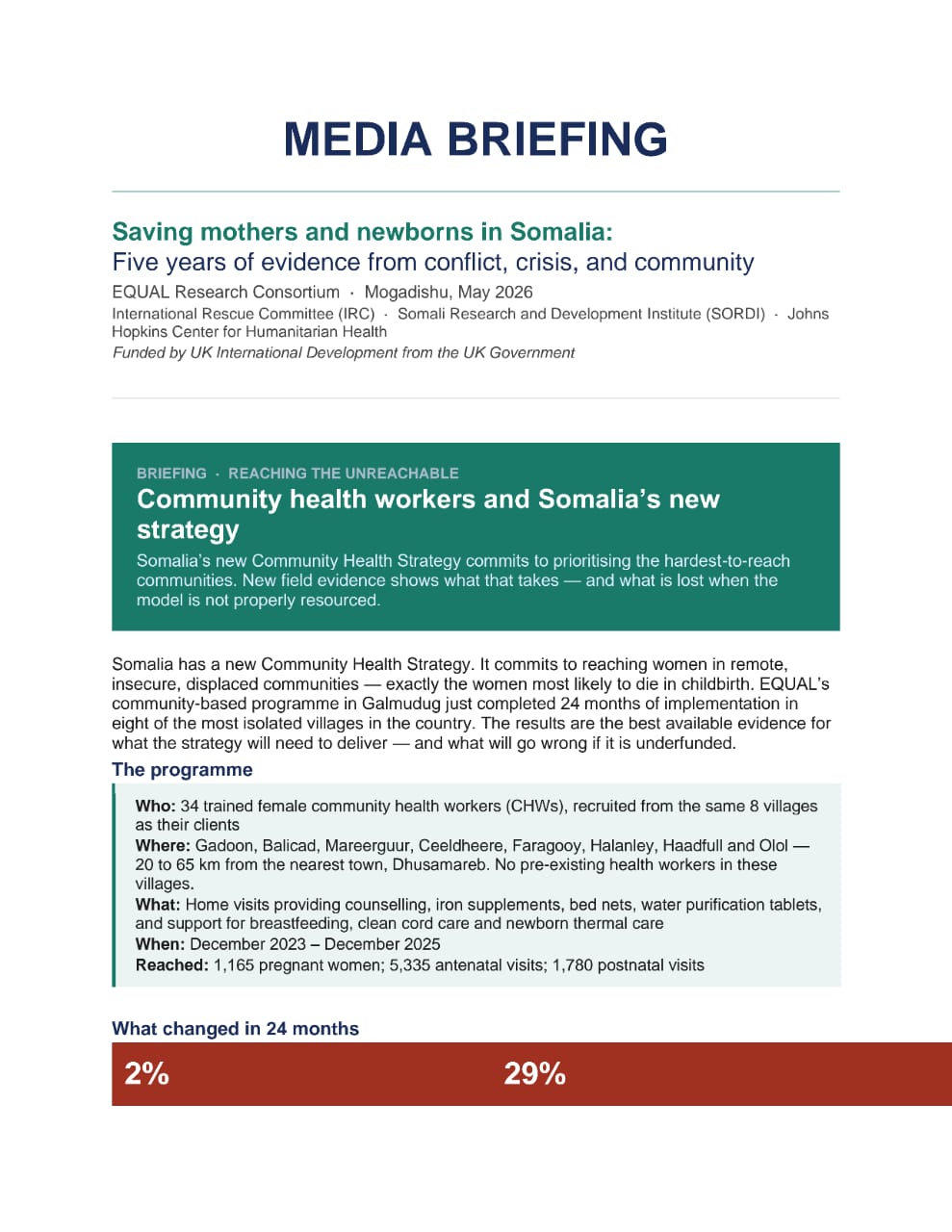
Elections,Funding cuts and risk of going backwards

Jow- 10May-2026


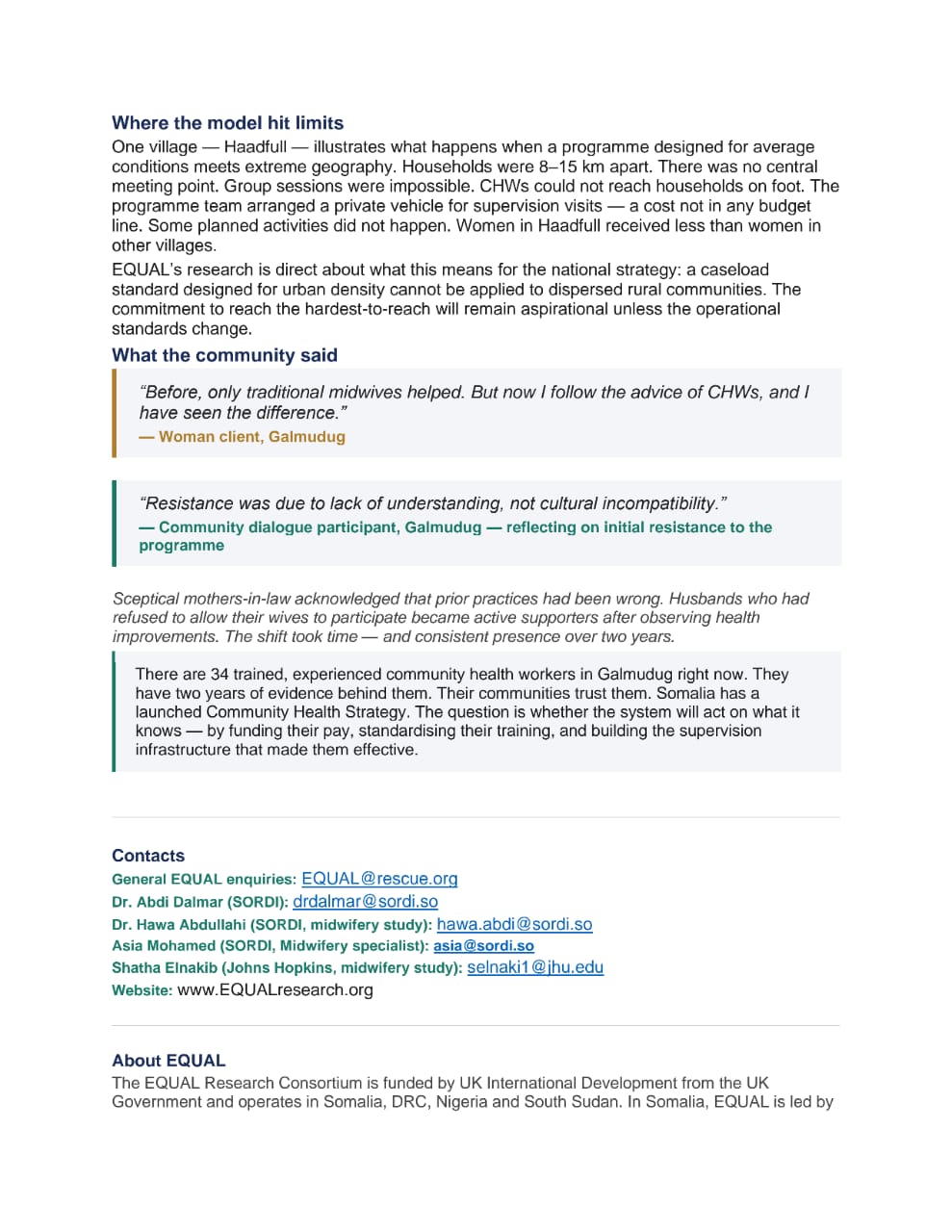
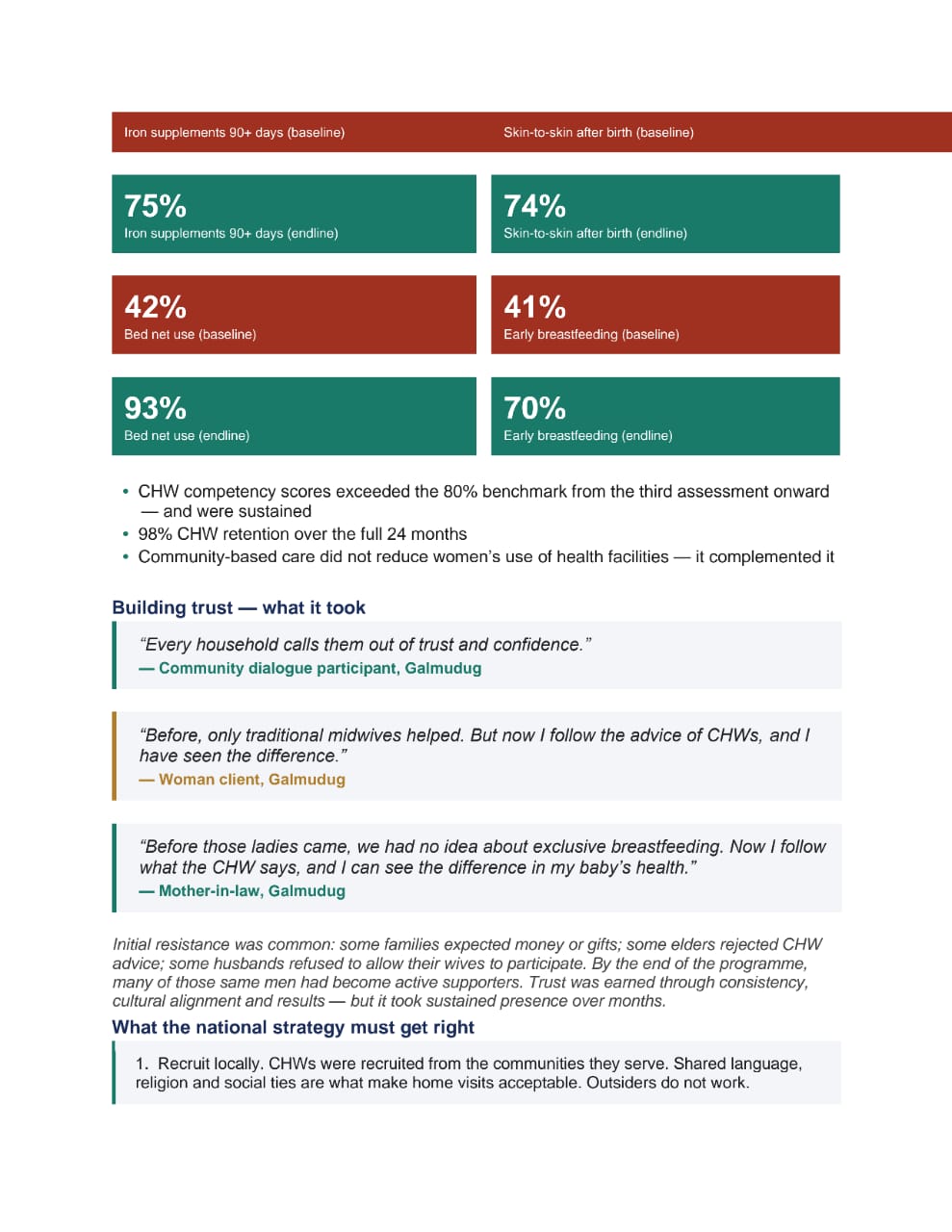
Community health workers and Somalia’s new strategy

Jow.10May 2026-


Has the Iran nuclear deal effectively returned to square one?

Is the Iran nuclear agreement back to square one?
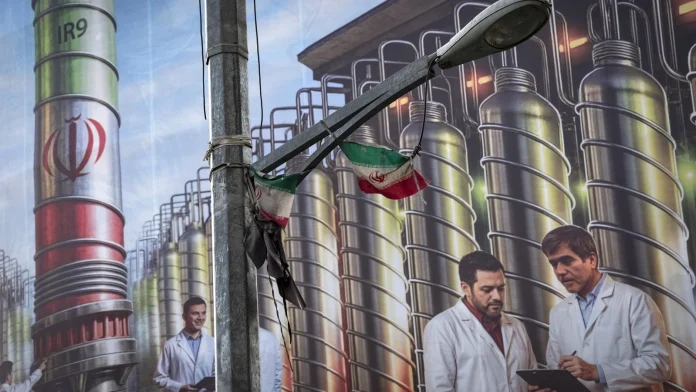
Images of the Natanz nuclear enrichment facility in Iran on a banner in the capital, Tehran

At the Crossroads: Why Iran’s Nuclear Story Keeps Coming Back

On a humid morning in Bandar-e Mahshahr, a port town on the Persian Gulf, a fisherman named Reza squints at the horizon where tankers drift like slow leviathans. “When the ships sit,” he says, rubbing his blistered hands, “my brother worries. No ships, no work. Politics is not supposed to touch our nets, but it always does.”

Reza’s anxiety is the human face of a much larger, decades-long drama: a collision between national pride, energy geopolitics, and the terrifying promise of nuclear force. For anyone watching the region—diplomats, traders, or shopkeepers—what emerges from the latest US-Israel-Iran confrontation will hinge on one stubborn truth: whatever agreement lies ahead will almost certainly revolve around Iran’s nuclear program, and it will echo the contours of the 2015 deal that once promised to quiet the storm.

Why the Past Won’t Stay Buried

The Joint Comprehensive Plan of Action—JCPOA—was born of exhaustion as much as diplomacy. After years of sanctions, covert operations, and near-misses, world powers agreed to limit Iran’s nuclear capabilities in return for a phased lifting of crippling penalties. For proponents, it was a feat: intrusive inspections, capped centrifuges, and strict limits on enriched uranium promised a decade-plus window during which Tehran could be monitored closely.

“It wasn’t a perfect essay, but it was an exam you could grade,” says Dr. Samir Khan, a non-proliferation analyst who watched the Vienna negotiations. “You had technical constraints, verification, money moving back into the Iranian economy. For a while, it worked.”

Work it did—until politics undid it. In May 2018, the United States withdrew, calling the agreement “a horrible, one-sided deal.” Sanctions returned like a winter freeze. Tehran responded by quietly pressing its nuclear program back toward capacities the JCPOA had checked. As the years slipped by, Iran ramped up centrifuges, narrowed the IAEA’s sightlines, and built a stockpile of enriched uranium that gave negotiators less leverage, not more.

Numbers That Matter

Here are the bare but vital figures that have shaped bargaining power on all sides:

  • JCPOA limits: Iran would reduce its low-enriched uranium stock to about 300kg and restrict enrichment to 3.67% for 15 years, leaving a so-called “breakout” time of roughly 12 months.
  • Post-withdrawal reality: Reports indicate Iran accrued several thousand kilograms of enriched uranium, with estimates of more than 9,000kg in total and around 440kg enriched to 60%—numbers that erode the previously comfortable buffer between Tehran and a weapons-grade threshold of roughly 90%.
  • Maritime leverage: Nearly 20% of the world’s seaborne-traded oil moves through the Strait of Hormuz, which Iran has repeatedly threatened to choke off—turning a theoretical bargaining chip into a very public one.

Sovereignty, History and the Weight of Insults

To understand why Iran clings so fiercely to enrichment, you have to listen to how Iranians tell the story. In Tehran’s bazaars, the narrative threads together the 1953 coup that toppled Mohammad Mossadegh, decades of Western influence under the Shah, a humiliating hostage crisis in 1979, and a long curtain of sanctions that followed. Nuclear technology, for many Iranians, sits at the intersection of science and dignity.

“We were told for years that we could not be trusted,” says Laleh, a university chemist who teaches in northern Tehran. “So when the chance came to build something of our own—energy, reactors, labs—it felt like taking back a piece of independence.”

That sense of entitlement was never going to meet a Western world wary of proliferation without friction. The 1980s Iran-Iraq war, revelations about enrichment facilities, and intelligence warnings hardened attitudes on both sides. Yet even the most skeptical diplomats eventually conceded what the IAEA later echoed: policing an entire country’s nuclear supply chain required compromise if the goal was containment, not regime change.

The Deal That Was—and What It Left Unsaid

The JCPOA’s technical scaffolding was ingeniously mundane. Centrifuges were counted and capped. Uranium was diluted, stored, or shipped out. Cameras and inspectors watched mines, mills, and facilities. Critics objected to sunset clauses: many controls relaxed after a decade or a decade-and-a-half, leaving uncertainty about the day after.

“You cannot build a treaty that outlaws physics,” a former U.S. negotiator told me. “You can only build checks and time windows. Treaties buy time; they don’t buy eternity.”

That reality—the temporary nature of many constraints—was central to the political attack on the deal. Opponents in Washington and Jerusalem argued that time would be Iran’s friend. Supporters countered that a slowly reintegrated Iran, tied into the global economy, would have less appetite for confrontation.

The New Bargain: Old Map, New Markers

Fast forward to today: whispers in Geneva and reports in the press suggest a draft outline that looks remarkably like the old map. A moratorium on higher-level enrichment. Enhanced inspections, including provisions for quick, snap checks. A phased unfreezing of Iranian oil revenue. In short: the JCPOA—with tweaks shaped by a decade of escalation and new leverage on both sides.

So what’s changed? Iran isn’t negotiating from the same place it was in 2015. The country now possesses greater quantities of enriched uranium and more advanced centrifuges. It has proven that it can disrupt global oil routes. And the political landscape at home has shifted; younger generations carry scars from sanctions, but also a hunger for stability.

“Leverage is not just inventory,” says Rana Alizadeh, a policy fellow who studies Gulf security. “It’s perception. Iran’s ability to threaten the Hormuz route makes every sanctions threat costlier. That changes the math in a way the diplomats in 2015 did not fully confront.”

Questions to Consider

As this new-old negotiation unfolds, we should ask: Do we want a repeat of a temporary fix, or a durable architecture that reduces the chance of war? Can intrusive inspections be made permanent without humiliating a sovereign nation? And finally, how much risk are we willing to accept on the assumption that time and integration will erode hardline impulses?

The Human Cost—And the Stakes for the World

In Mahshahr and Tehran, the debate is not abstract. Families live through sanctions and spikes in fuel prices; students weigh futures under travel bans; fishermen like Reza measure their days by the number of tankers that pass. Far from the negotiation table, life continues under the shadow of big decisions.

“We don’t want a bomb,” Laleh says. “We want electricity, pavement, a stable job. If the world wants to prevent weapons, then make a deal that also gives people hope. That’s what ends threats—not more threats.”

Perhaps the logic of diplomacy is simple: give people a stake in peace, and they will less often reach for war. Perhaps the lesson is darker: power gaps and historic wrongs keep pulling the past back into the present. Either way, the world will be watching the Gulf’s horizons—and the negotiating rooms in Vienna and Geneva—with a sharp, impatient curiosity. And as you read this, consider where you stand: do you back a pragmatic bargain, or a stricter blockade of Iran’s ambitions? There are no easy answers—only choices that will ripple across the seas and markets, across families and future generations.

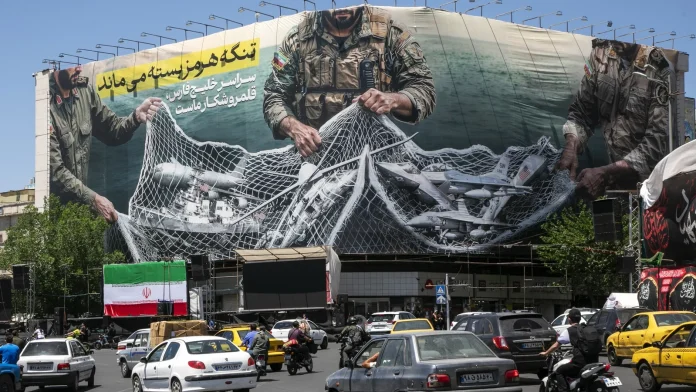
Iran casts doubt on US diplomatic commitment after recent attack

Iran questions seriousness of US diplomacy after attack
Iran's UN envoy Amir Saeed Irvani accused the United States of violating the ceasefire

Smoke on the Water: A Gulf in Flux and the Fragile Thread of Diplomacy

The sun rises low over the Persian Gulf, turning oil-slicked water into a molten mirror. Off Kharg Island, a key node in Iran’s oil exports, satellites have recently traced a stain of crude spreading across more than 52 square kilometres of sea — a stark, visible sign that the fallout from the region’s clashes is not merely geopolitical but ecological, too.

For weeks now, the Gulf has felt like a pressure cooker. Naval confrontations have become routine, missiles and drones have brushed past airspace and air defenses, and the language on both sides has hardened between threats and conditional offers of talks. Yet alongside this kinetic drama runs another, quieter storyline: negotiation attempts mediated by third parties, the slow, clumsy choreography of diplomacy in wartime.

Shots, Silence, and a Waiting Game

Late last week an F/A-18 Super Hornet — a flash of metal and thunder — disabled two Iranian-flagged tankers in the Gulf of Oman. U.S. Central Command said the strike used precision munitions to prevent the vessels from breaching a naval blockade intended to choke off Iranian exports to its ports. Tehran’s spokespeople described the attacks as acts of “American terrorism” and claimed their forces had responded in kind before the exchanges subsided.

“We are living the war on the water,” said Reza, a deckhand who has worked ships out of the southern ports for two decades and asked that his full name not be used. “Boats aren’t moving. The radio is full of warnings. Everyone is looking at the horizon for the sound of aircraft.”

There was supposed to be a response to Washington’s latest proposal to extend a fragile truce and open the door to negotiations. U.S. leaders said they expected Tehran to reply “tonight.” If an answer moved through Pakistani intermediaries — who have been quietly shepherding ceasefire talks — there was no public sign of it. In Tehran, Foreign Minister Abbas Araghchi told his Turkish counterpart that recent U.S. actions in the Gulf have only deepened doubts about Washington’s sincerity.

“The recent escalation of tensions by American forces… has added to suspicions about the motivation and seriousness of the American side in the path of diplomacy,” Araghchi said in a statement carried by Iran’s state media. That distrust hangs over any possibility of a negotiated peace like a low cloud ready to come down.

When Diplomacy Is Interrupted by Missiles and Mistrust

Diplomatic channels are alive, yet strained. Pakistan has been pitching itself once more as a mediator; Qatar has quietly hosted envoys and its prime minister met with U.S. officials in Washington to discuss Pakistani-led efforts. Small, pragmatic acts of statecraft continue while the theatre of war threatens to drown them out.

“Mediation works on credibility and patience,” said Laila Haddad, a Doha-based conflict resolution specialist. “If military actors keep acting as if diplomacy is a cover for weak resolve, the whole process collapses. Confidence-building is not theatrical; it’s consistence day-to-day, and that’s what has been most missing.”

There are competing narratives about the leverage on the table. A U.S. intelligence assessment — reported by major outlets — suggested a blockade of Iranian ports might not inflict severe economic pain on Iran for roughly another four months, implying a limited window for Washington to press Tehran militarily while using the blockade as leverage. A senior U.S. intelligence official pushed back on that framing, insisting the blockade was already inflicting “real, compounding damage.”

  • Strait of Hormuz: roughly one-fifth of global seaborne oil passes through this chokepoint in calmer times.
  • Kharg Island: a central export terminal for Iran, now at the centre of an oil contamination incident covering more than 52 sq km (Orbital EOS).
  • Civilians: The UAE reported air defenses engaging with incoming missiles and drones, and three people sustained moderate injuries in one such exchange.

Allies, Allies in Name and in Tension

The conflict is testing alliances. European leaders have spoken of keeping NATO’s machinery intact even as differences over the Iran war expose rifts between Washington and key partners. Germany’s chancellor reiterated that Europe wants the alliance to function, even while disagreeing on how to confront Tehran. “We are willing to keep this alliance alive,” he said, underlining a shared goal — preventing nuclear proliferation — even as tactics diverge.

“Partnership isn’t about unanimous cheerleading,” said Henrik Olofsson, a Stockholm-based analyst. “It’s about finding common outcomes with different strategies. Right now, however, those strategies look unaligned.”

Local Voices, Global Ripples

On the ground, the consequences are immediate and intimate. At a small teahouse near the port, an oil worker named Fatemeh cradled a teacup and watched news footage of the disabled tankers. “We are tired of being the arena for the big players,” she said. “My son cannot find steady work because vessels are turning back. We are watching our sea die.”

Environmental advocates warn the spill near Kharg Island could compound long-term damage. Early reports said the slick had “much reduced” the following day, suggesting a leaking infrastructure incident rather than a fresh barrage of tanker hits. But even temporary contamination undermines fisheries, livelihoods, and the fragile coastal ecosystems that many communities rely on.

“These are slow-moving catastrophes,” said Dr. Amina Nasser, a marine ecologist. “Oil doesn’t only smother birds; it infiltrates food chains and economies. When a shipping lane is used as leverage, the cost is paid disproportionately by ordinary people and the environment.”

Why Should Anyone Outside the Region Care?

Because the Gulf remains a linchpin of global energy flows and geopolitical stability. Disruptions can ripple through stock markets, pump prices at the gas station, and force policy recalibrations from Tokyo to London to Lagos. Because the story isn’t only tanks and jets; it’s about whether war can be kept local or whether nuclear ambitions, proxy conflicts, and alliance fractures will pull the wider world in.

And finally, because what happens here raises a question worth asking aloud: when conventional power and coercion sit uncomfortably beside the slow, uncertain work of diplomacy, how do we choose which to prioritize?

Paths Forward — Or Deeper Into the Fog

For now, the truce extension remains on a hinge. Mediators scrabble for momentum. Naval commanders continue patrols. Environmental teams survey oil, and families wait for ships to return. The Gulf is a place of trade and tradition, of fishermen, oil workers, diplomats and soldiers. Each is a reminder that in geopolitics the human cost is not abstract.

“If we cannot make room for real talks, this will keep coming back,” Laila Haddad warned. “And the price will grow, measured in livelihoods, in ecosystems, and in the patient trust that diplomacy requires.”

Are we prepared to accept that price? Or will the next round of strikes, sanctions, and countermeasures be the push that finally forces parties to sit and dismantle the machinery of mistrust? The Gulf’s calm is brittle; whether it holds will depend as much on the quiet work of negotiation as on the thunder of jets.

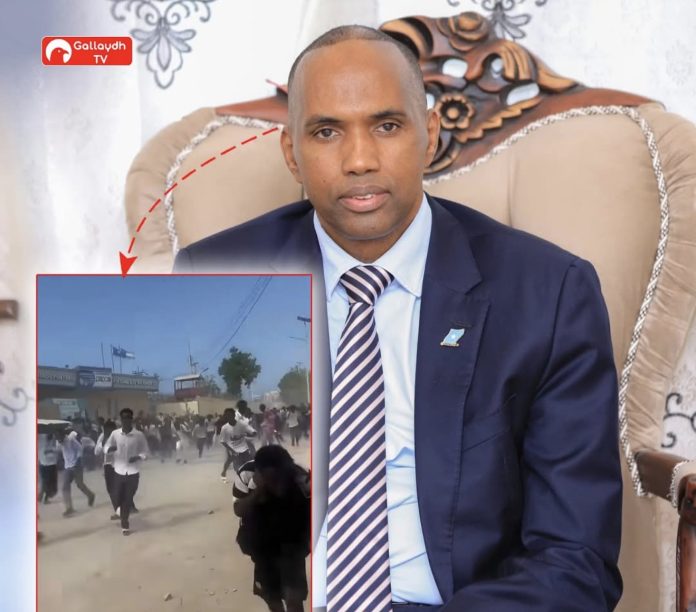
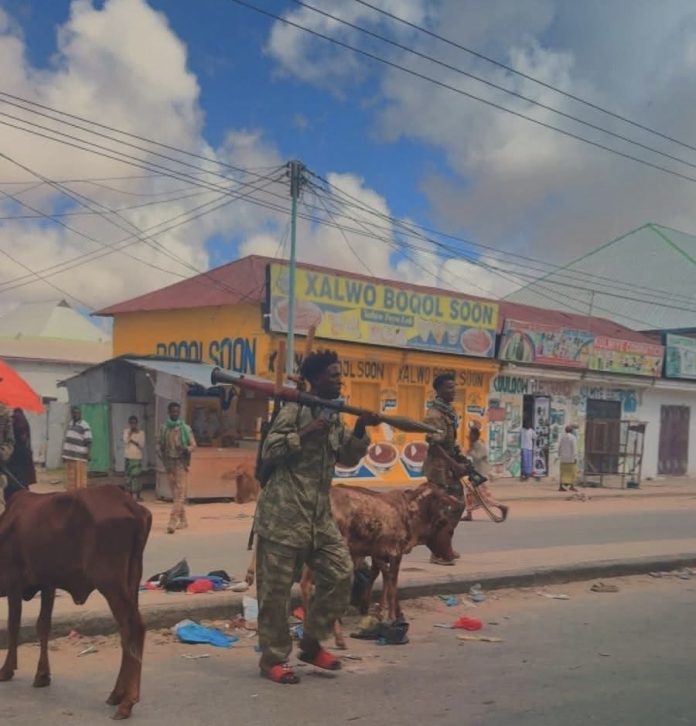
Khayre oo ka hadlay dadkii ciidanka dowladda ay ku dileen degmada Deyniile

Screenshot

May 10(Jowhar) Raysal wasaarihii hore ee Soomaaliya Xasan Cali Khayre oo hadda ka mid ah xubnaha mucaaridka Soomaaliya ayaa sheegay in dawladda Soomaaliya si badheedh ah u dishay dad bannaan baxyayey oo ku sugnaa degmada Dayniile ee magaalada Muqdisho.

Ciidamadda Dowaldda oo dhimasho iyo dhaawac u geystay shacab banaanbaxayay

May 10(Jowhar) Dhimasho iyo dhaawac ayaa ka dhashay rasaas la tilmaamay in ciidamada dowladda ay ku rideen shacab dibadbax ka dhigayay qeybo kamid ah degmada Deyniile ee gobolka Benaadir.

Starmer says UK to supply enriched uranium to Ukraine

Starmer: UK to provide enriched uranium supplies to Ukraine

0
Britain is sharpening its support for Ukraine on two fronts — energy security and economic pressure on Moscow — with Prime Minister Keir Starmer...
Talks with US on permanent peace to begin Friday - Iran

Iran to Begin Permanent Peace Talks With the US on Friday

0
A fragile truce in the Middle East is set to be tested almost immediately, with Iran and the United States preparing to open a...
Son of Norway's crown princess denies rape charges

Norway Crown Princess’s Son Convicted in Rape Case, Court Finds

0
Norway’s royal family has been thrust into an extraordinary legal reckoning after Crown Prince Haakon’s stepson, Marius Borg Høiby, was convicted of rape and...
Eight feared dead as US bomber crashes in California

Eight Presumed Dead After U.S. Bomber Crashes in California

0
Fear spread quickly across the desert airfield at Edwards Air Force Base on Monday after a US B-52 bomber crashed shortly after takeoff, with...
Irish man 'very wary' after Sydney shark attack

Irish man remains highly cautious following Sydney shark attack

0
Coogee Beach is welcoming swimmers back but with lifeguards on high alert and drones sweeping the water after a weekend shark attack that critically...