Jowhar-10May 2026
On a humid morning in Bandar-e Mahshahr, a port town on the Persian Gulf, a fisherman named Reza squints at the horizon where tankers drift like slow leviathans. “When the ships sit,” he says, rubbing his blistered hands, “my brother worries. No ships, no work. Politics is not supposed to touch our nets, but it always does.”
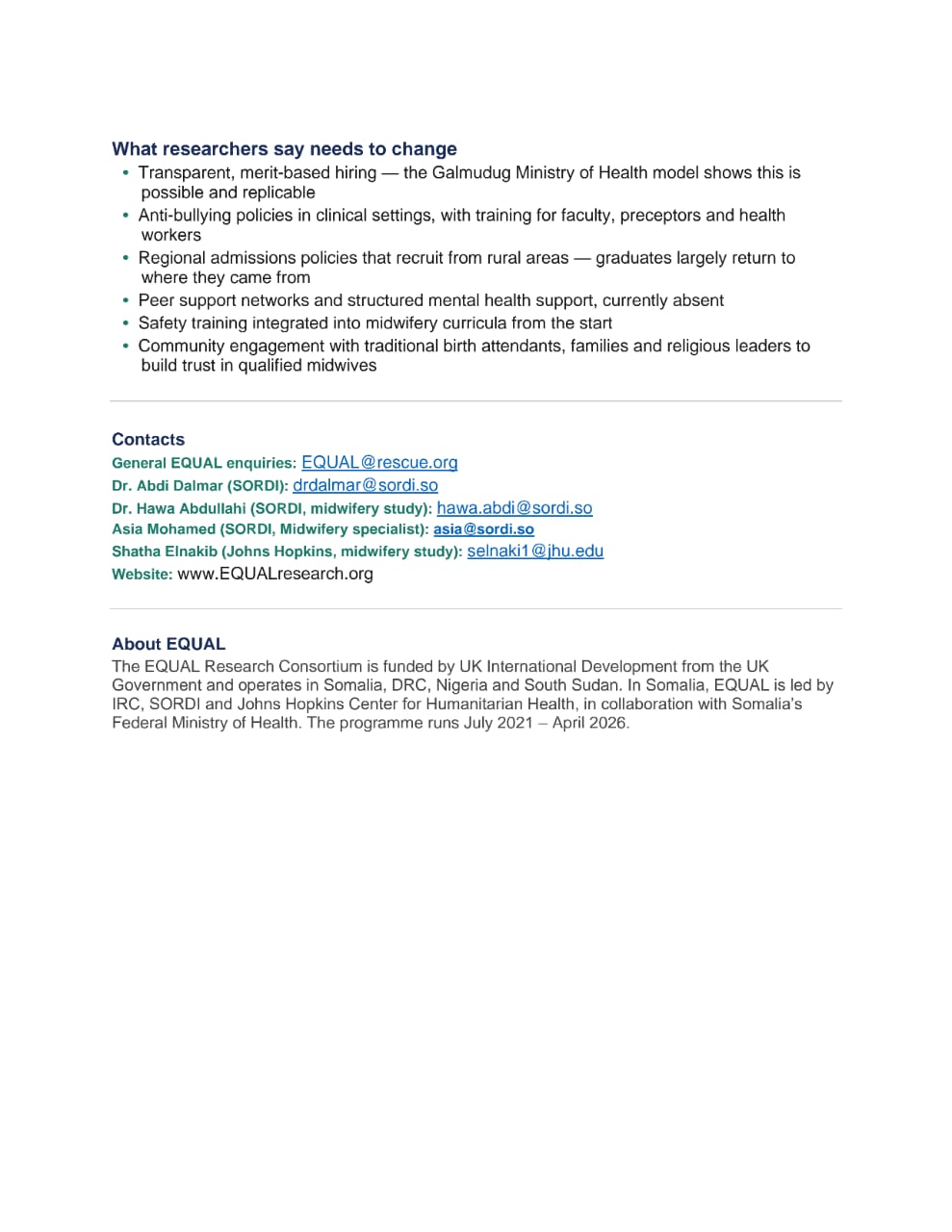
Reza’s anxiety is the human face of a much larger, decades-long drama: a collision between national pride, energy geopolitics, and the terrifying promise of nuclear force. For anyone watching the region—diplomats, traders, or shopkeepers—what emerges from the latest US-Israel-Iran confrontation will hinge on one stubborn truth: whatever agreement lies ahead will almost certainly revolve around Iran’s nuclear program, and it will echo the contours of the 2015 deal that once promised to quiet the storm.
The Joint Comprehensive Plan of Action—JCPOA—was born of exhaustion as much as diplomacy. After years of sanctions, covert operations, and near-misses, world powers agreed to limit Iran’s nuclear capabilities in return for a phased lifting of crippling penalties. For proponents, it was a feat: intrusive inspections, capped centrifuges, and strict limits on enriched uranium promised a decade-plus window during which Tehran could be monitored closely.
“It wasn’t a perfect essay, but it was an exam you could grade,” says Dr. Samir Khan, a non-proliferation analyst who watched the Vienna negotiations. “You had technical constraints, verification, money moving back into the Iranian economy. For a while, it worked.”
Work it did—until politics undid it. In May 2018, the United States withdrew, calling the agreement “a horrible, one-sided deal.” Sanctions returned like a winter freeze. Tehran responded by quietly pressing its nuclear program back toward capacities the JCPOA had checked. As the years slipped by, Iran ramped up centrifuges, narrowed the IAEA’s sightlines, and built a stockpile of enriched uranium that gave negotiators less leverage, not more.
Here are the bare but vital figures that have shaped bargaining power on all sides:
To understand why Iran clings so fiercely to enrichment, you have to listen to how Iranians tell the story. In Tehran’s bazaars, the narrative threads together the 1953 coup that toppled Mohammad Mossadegh, decades of Western influence under the Shah, a humiliating hostage crisis in 1979, and a long curtain of sanctions that followed. Nuclear technology, for many Iranians, sits at the intersection of science and dignity.
“We were told for years that we could not be trusted,” says Laleh, a university chemist who teaches in northern Tehran. “So when the chance came to build something of our own—energy, reactors, labs—it felt like taking back a piece of independence.”
That sense of entitlement was never going to meet a Western world wary of proliferation without friction. The 1980s Iran-Iraq war, revelations about enrichment facilities, and intelligence warnings hardened attitudes on both sides. Yet even the most skeptical diplomats eventually conceded what the IAEA later echoed: policing an entire country’s nuclear supply chain required compromise if the goal was containment, not regime change.
The JCPOA’s technical scaffolding was ingeniously mundane. Centrifuges were counted and capped. Uranium was diluted, stored, or shipped out. Cameras and inspectors watched mines, mills, and facilities. Critics objected to sunset clauses: many controls relaxed after a decade or a decade-and-a-half, leaving uncertainty about the day after.
“You cannot build a treaty that outlaws physics,” a former U.S. negotiator told me. “You can only build checks and time windows. Treaties buy time; they don’t buy eternity.”
That reality—the temporary nature of many constraints—was central to the political attack on the deal. Opponents in Washington and Jerusalem argued that time would be Iran’s friend. Supporters countered that a slowly reintegrated Iran, tied into the global economy, would have less appetite for confrontation.
Fast forward to today: whispers in Geneva and reports in the press suggest a draft outline that looks remarkably like the old map. A moratorium on higher-level enrichment. Enhanced inspections, including provisions for quick, snap checks. A phased unfreezing of Iranian oil revenue. In short: the JCPOA—with tweaks shaped by a decade of escalation and new leverage on both sides.
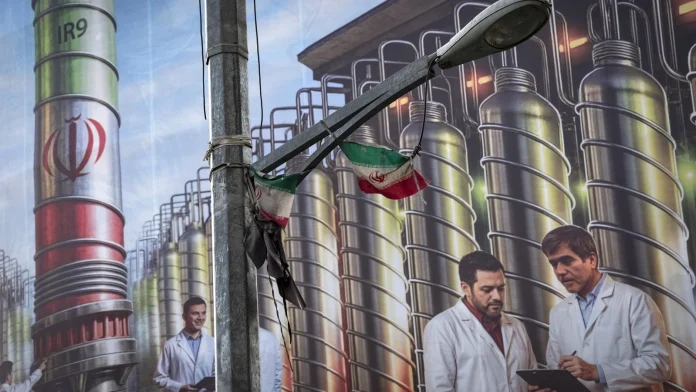
So what’s changed? Iran isn’t negotiating from the same place it was in 2015. The country now possesses greater quantities of enriched uranium and more advanced centrifuges. It has proven that it can disrupt global oil routes. And the political landscape at home has shifted; younger generations carry scars from sanctions, but also a hunger for stability.
“Leverage is not just inventory,” says Rana Alizadeh, a policy fellow who studies Gulf security. “It’s perception. Iran’s ability to threaten the Hormuz route makes every sanctions threat costlier. That changes the math in a way the diplomats in 2015 did not fully confront.”
As this new-old negotiation unfolds, we should ask: Do we want a repeat of a temporary fix, or a durable architecture that reduces the chance of war? Can intrusive inspections be made permanent without humiliating a sovereign nation? And finally, how much risk are we willing to accept on the assumption that time and integration will erode hardline impulses?
In Mahshahr and Tehran, the debate is not abstract. Families live through sanctions and spikes in fuel prices; students weigh futures under travel bans; fishermen like Reza measure their days by the number of tankers that pass. Far from the negotiation table, life continues under the shadow of big decisions.
“We don’t want a bomb,” Laleh says. “We want electricity, pavement, a stable job. If the world wants to prevent weapons, then make a deal that also gives people hope. That’s what ends threats—not more threats.”
Perhaps the logic of diplomacy is simple: give people a stake in peace, and they will less often reach for war. Perhaps the lesson is darker: power gaps and historic wrongs keep pulling the past back into the present. Either way, the world will be watching the Gulf’s horizons—and the negotiating rooms in Vienna and Geneva—with a sharp, impatient curiosity. And as you read this, consider where you stand: do you back a pragmatic bargain, or a stricter blockade of Iran’s ambitions? There are no easy answers—only choices that will ripple across the seas and markets, across families and future generations.
The sun rises low over the Persian Gulf, turning oil-slicked water into a molten mirror. Off Kharg Island, a key node in Iran’s oil exports, satellites have recently traced a stain of crude spreading across more than 52 square kilometres of sea — a stark, visible sign that the fallout from the region’s clashes is not merely geopolitical but ecological, too.
For weeks now, the Gulf has felt like a pressure cooker. Naval confrontations have become routine, missiles and drones have brushed past airspace and air defenses, and the language on both sides has hardened between threats and conditional offers of talks. Yet alongside this kinetic drama runs another, quieter storyline: negotiation attempts mediated by third parties, the slow, clumsy choreography of diplomacy in wartime.
Late last week an F/A-18 Super Hornet — a flash of metal and thunder — disabled two Iranian-flagged tankers in the Gulf of Oman. U.S. Central Command said the strike used precision munitions to prevent the vessels from breaching a naval blockade intended to choke off Iranian exports to its ports. Tehran’s spokespeople described the attacks as acts of “American terrorism” and claimed their forces had responded in kind before the exchanges subsided.
“We are living the war on the water,” said Reza, a deckhand who has worked ships out of the southern ports for two decades and asked that his full name not be used. “Boats aren’t moving. The radio is full of warnings. Everyone is looking at the horizon for the sound of aircraft.”
There was supposed to be a response to Washington’s latest proposal to extend a fragile truce and open the door to negotiations. U.S. leaders said they expected Tehran to reply “tonight.” If an answer moved through Pakistani intermediaries — who have been quietly shepherding ceasefire talks — there was no public sign of it. In Tehran, Foreign Minister Abbas Araghchi told his Turkish counterpart that recent U.S. actions in the Gulf have only deepened doubts about Washington’s sincerity.
“The recent escalation of tensions by American forces… has added to suspicions about the motivation and seriousness of the American side in the path of diplomacy,” Araghchi said in a statement carried by Iran’s state media. That distrust hangs over any possibility of a negotiated peace like a low cloud ready to come down.
Diplomatic channels are alive, yet strained. Pakistan has been pitching itself once more as a mediator; Qatar has quietly hosted envoys and its prime minister met with U.S. officials in Washington to discuss Pakistani-led efforts. Small, pragmatic acts of statecraft continue while the theatre of war threatens to drown them out.
“Mediation works on credibility and patience,” said Laila Haddad, a Doha-based conflict resolution specialist. “If military actors keep acting as if diplomacy is a cover for weak resolve, the whole process collapses. Confidence-building is not theatrical; it’s consistence day-to-day, and that’s what has been most missing.”
There are competing narratives about the leverage on the table. A U.S. intelligence assessment — reported by major outlets — suggested a blockade of Iranian ports might not inflict severe economic pain on Iran for roughly another four months, implying a limited window for Washington to press Tehran militarily while using the blockade as leverage. A senior U.S. intelligence official pushed back on that framing, insisting the blockade was already inflicting “real, compounding damage.”
The conflict is testing alliances. European leaders have spoken of keeping NATO’s machinery intact even as differences over the Iran war expose rifts between Washington and key partners. Germany’s chancellor reiterated that Europe wants the alliance to function, even while disagreeing on how to confront Tehran. “We are willing to keep this alliance alive,” he said, underlining a shared goal — preventing nuclear proliferation — even as tactics diverge.
“Partnership isn’t about unanimous cheerleading,” said Henrik Olofsson, a Stockholm-based analyst. “It’s about finding common outcomes with different strategies. Right now, however, those strategies look unaligned.”
On the ground, the consequences are immediate and intimate. At a small teahouse near the port, an oil worker named Fatemeh cradled a teacup and watched news footage of the disabled tankers. “We are tired of being the arena for the big players,” she said. “My son cannot find steady work because vessels are turning back. We are watching our sea die.”
Environmental advocates warn the spill near Kharg Island could compound long-term damage. Early reports said the slick had “much reduced” the following day, suggesting a leaking infrastructure incident rather than a fresh barrage of tanker hits. But even temporary contamination undermines fisheries, livelihoods, and the fragile coastal ecosystems that many communities rely on.
“These are slow-moving catastrophes,” said Dr. Amina Nasser, a marine ecologist. “Oil doesn’t only smother birds; it infiltrates food chains and economies. When a shipping lane is used as leverage, the cost is paid disproportionately by ordinary people and the environment.”
Because the Gulf remains a linchpin of global energy flows and geopolitical stability. Disruptions can ripple through stock markets, pump prices at the gas station, and force policy recalibrations from Tokyo to London to Lagos. Because the story isn’t only tanks and jets; it’s about whether war can be kept local or whether nuclear ambitions, proxy conflicts, and alliance fractures will pull the wider world in.
And finally, because what happens here raises a question worth asking aloud: when conventional power and coercion sit uncomfortably beside the slow, uncertain work of diplomacy, how do we choose which to prioritize?
For now, the truce extension remains on a hinge. Mediators scrabble for momentum. Naval commanders continue patrols. Environmental teams survey oil, and families wait for ships to return. The Gulf is a place of trade and tradition, of fishermen, oil workers, diplomats and soldiers. Each is a reminder that in geopolitics the human cost is not abstract.
“If we cannot make room for real talks, this will keep coming back,” Laila Haddad warned. “And the price will grow, measured in livelihoods, in ecosystems, and in the patient trust that diplomacy requires.”
Are we prepared to accept that price? Or will the next round of strikes, sanctions, and countermeasures be the push that finally forces parties to sit and dismantle the machinery of mistrust? The Gulf’s calm is brittle; whether it holds will depend as much on the quiet work of negotiation as on the thunder of jets.
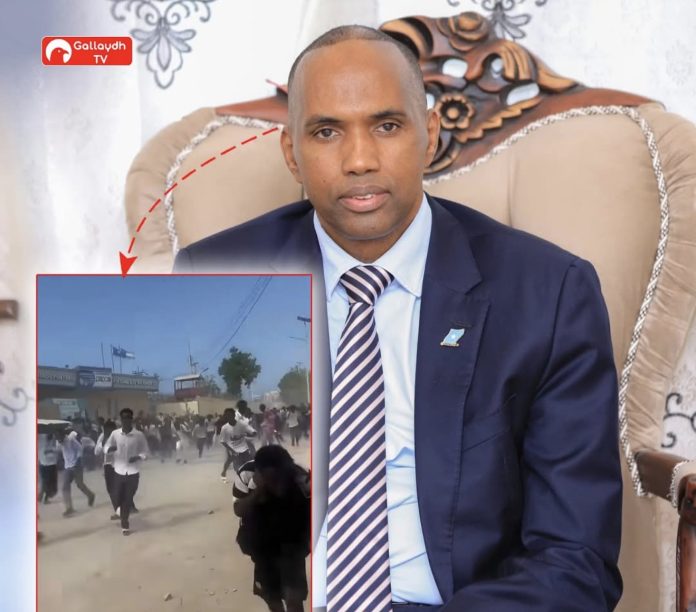
May 10(Jowhar) Raysal wasaarihii hore ee Soomaaliya Xasan Cali Khayre oo hadda ka mid ah xubnaha mucaaridka Soomaaliya ayaa sheegay in dawladda Soomaaliya si badheedh ah u dishay dad bannaan baxyayey oo ku sugnaa degmada Dayniile ee magaalada Muqdisho.
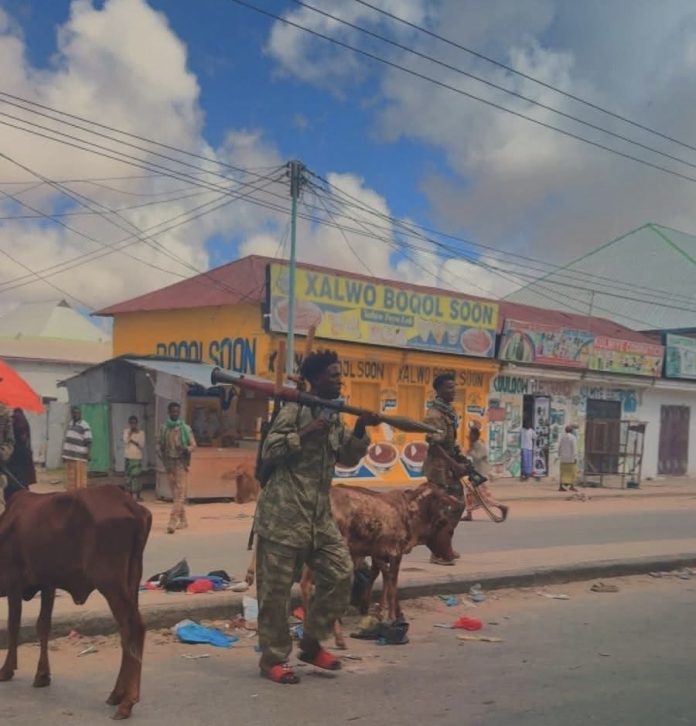
May 10(Jowhar) Dhimasho iyo dhaawac ayaa ka dhashay rasaas la tilmaamay in ciidamada dowladda ay ku rideen shacab dibadbax ka dhigayay qeybo kamid ah degmada Deyniile ee gobolka Benaadir.
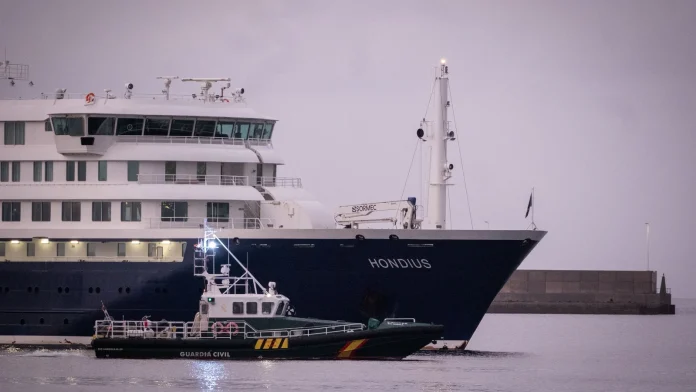
The morning air off Tenerife smelled of salt and diesel, the island’s familiar breeze carrying the low hum of engines and the distant clatter of a port that had not expected to be the stage for an unfolding public‑health drama.
At anchor near the industrial piers of Granadilla de Abona, the expedition vessel MV Hondius — a luxury cruise ship turned emergency enclave — sat under the watchful eyes of the Guardia Civil and a small armada of Spanish patrol boats. On board, passengers watched the shoreline inch closer, their faces lit sometimes by phones and sometimes by the quiet dread that comes with uncertainty.
Spanish authorities moved with the kind of precision borne of hard lessons learned in recent years: teams of public health officials and military personnel boarded the ship for final checks before beginning a carefully choreographed disembarkation.
“We are doing everything possible to ensure no one mixes with the general population,” Health Minister Mónica García told a small press contingent, according to people present. “Those who are Spanish nationals will be repatriated first, and we will maintain strict separation protocols throughout.”
Officials emphasized that the small boats ferrying people ashore and the sealed buses taking them the ten‑minute ride to Tenerife South Airport were not routine transport: those buses were sealed and staff wore protective equipment, and passengers were to be transferred directly to aircraft or designated health facilities with no stop in public spaces.
The evacuation follows an outbreak of hantavirus on the MV Hondius that sickened eight people and resulted in three deaths — reported to be a Dutch couple and a German national. Six cases have been laboratory‑confirmed and two considered suspected, according to the World Health Organization, which has been closely involved in the response.
“All passengers are being treated as high‑risk contacts,” said an official from the European public‑health agency. “This is a precautionary measure given the close quarters on board.”
Hantaviruses are typically linked to rodents. In most of Europe, species such as Puumala and Dobrava viruses cause hemorrhagic fever with renal syndrome (HFRS), often acquired through contact with rodent droppings. But some hantaviruses — most notably the Andes virus in South America — have been associated with rare person‑to‑person transmission. The World Health Organization has said the risk to the broader global population remains low, while acknowledging the moderate risk to those aboard the ship.
“The ship underwent environmental and hygiene checks,” a health ministry bulletin read earlier in the day. “Inspectors did not find evidence of rodent infestation on board, and hygiene conditions are appropriate, but extreme caution is warranted.”
Down on the quay, Spanish military buses rolled into position. Workers in bright vests moved like a choreography not usually seen in the island’s fishing port: cones, cordons, and clusters of officials with clipboards. A Guardia Civil vessel had shadowed the Hondius as it approached, and local fishermen paused in their routines to look at a ship that would normally be a curiosity, not a crisis.
“I’ve watched a lot of big ships come into Granadilla,” said Antonio, a fisherman who has mended nets in this harbor for thirty years. “But we are used to the sea bringing surprises. You hope everyone will be safe.”
Across town, hotel lobbies that usually hum with tourists felt the strange lull of displaced arrivals — no cheer, only procedural calm. The Canary Islands are no stranger to visitors, but this kind of medical repatriation is rare here. The archipelago’s volcanic topography and long seasons of tourism add a distinctly local texture to the scene: the smell of roasting coffee near the port cafés, a string of bougainvillea flaring pink against worn concrete, police radios murmuring in Castilian and English.
WHO Director‑General Tedros Adhanom Ghebreyesus flew into Tenerife to coordinate with Spanish ministers, an indication of how the crisis has drawn swift international attention. Several governments dispatched aircraft to bring their citizens home; the Irish government, for example, sent a jet to transport two Irish nationals back to Ireland where they will be cared for in a designated health facility and monitored for weeks.
“We will monitor arrivals closely,” a senior Irish health service official said. “Isolation and careful testing are the backbone of our plan.”
Thirty crew members will remain on board while the Hondius sails to the Netherlands for disinfection — a practical detail but a stark reminder of the liminal life on a vessel that is now both a travel memory and a potential outbreak site.
There is a broader conversation threaded through this incident: the intersection of global mobility and public health preparedness. Cruise ships, which ferry thousands across continents every year, concentrate people in enclosed spaces and cross borders rapidly. That makes them efficient vectors of leisure — and, occasionally, of disease.
Ask yourself: how well did the systems put in place after the COVID‑19 pandemic prepare us for a different pathogen on a different platform? Where have investments been made, and where do gaps linger?
Public health experts emphasize that while the global risk is low, the event underscores the need for rapid, transparent communication and international cooperation. “This is a test of coordination,” said Dr. Elena Kovács, an infectious‑disease specialist who studies travel‑related outbreaks. “You need rapid diagnostics, clear protocols for transport and quarantine, and sensitive communication with people who are frightened, confused and far from home.”
In the coming days, authorities will monitor repatriated passengers for symptoms, complete contact tracing where applicable, and complete disinfection of the ship. Laboratories will continue to analyze samples to better understand the strain involved and whether unusual transmission routes played a role.
For now, Tenerife’s harbor returns slowly to its ordinary rhythms. Tourists will wander its promenades; fishermen will haul in their catches. But the port’s temporary role in a global public‑health response will remain a vivid reminder of how interconnected we are — and how quickly a tiny pathogen can bring the world’s systems into synchronous motion.
What do you think — are our global travel systems resilient enough for the next unexpected outbreak? The Hondius has anchored a question that will not easily drift away.
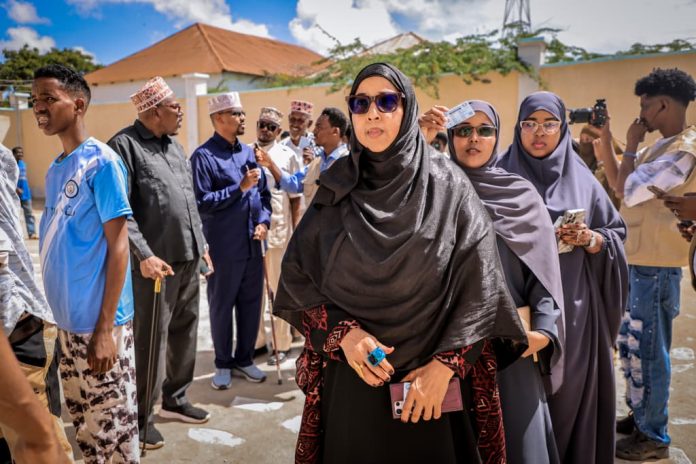
May 10(Jowhar)Shacabka ku nool deegaannada Maamulka Koonfur Galbeed Soomaaliya ayaa saaka waaberigii hore u dareeray goobaha codbixinta, si ay uga qeyb qaataan doorashooyinka qof iyo codka ah ee ay soo qabanqaabisay dowladda Federaalka Soomaaliya.
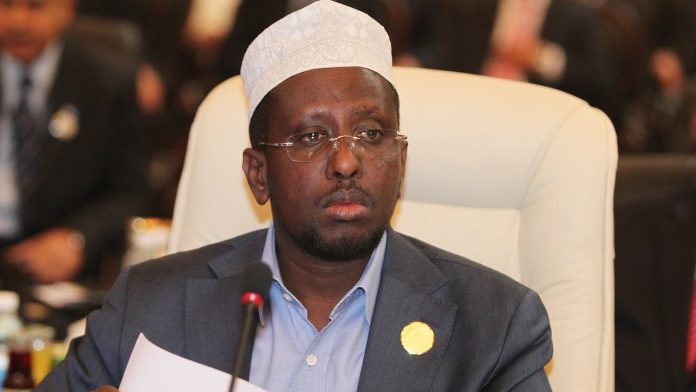
May 10(Jowhar) Madaxweynihii hore ee Soomaaliya Sheekh Shariif Sheekh Axmed ayaa shir jaraa’id oo uu ku qabtay gurigiisa deegaanka Mirinaayo ee degmada Boondheere ku shaaciyey in bannaanbaxii mucaaradka uu ka dhici doono garoonka Koonis ee degmada Cabdicasiis, saacadda 11:00-ka duhurnimo ee maanta.