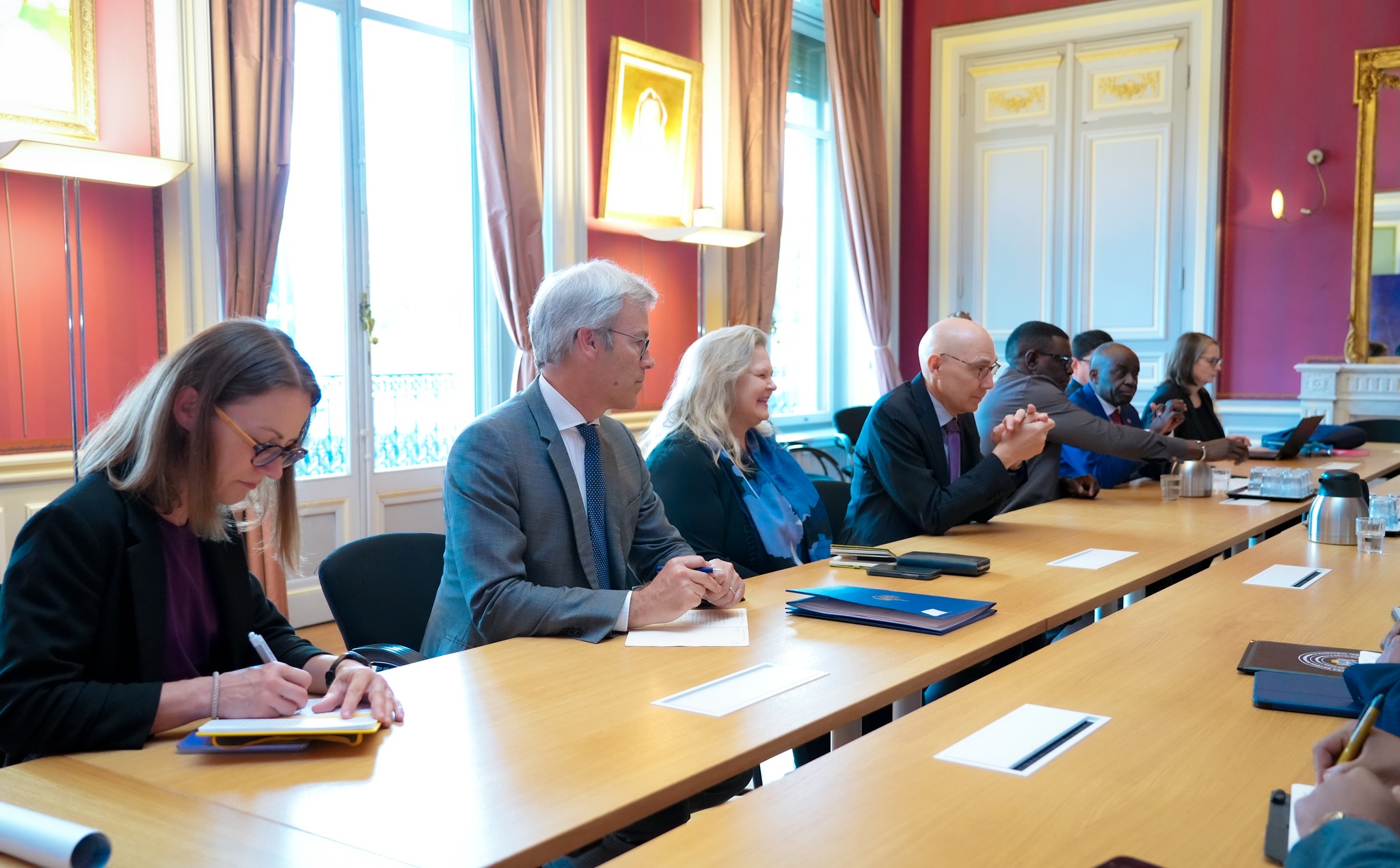
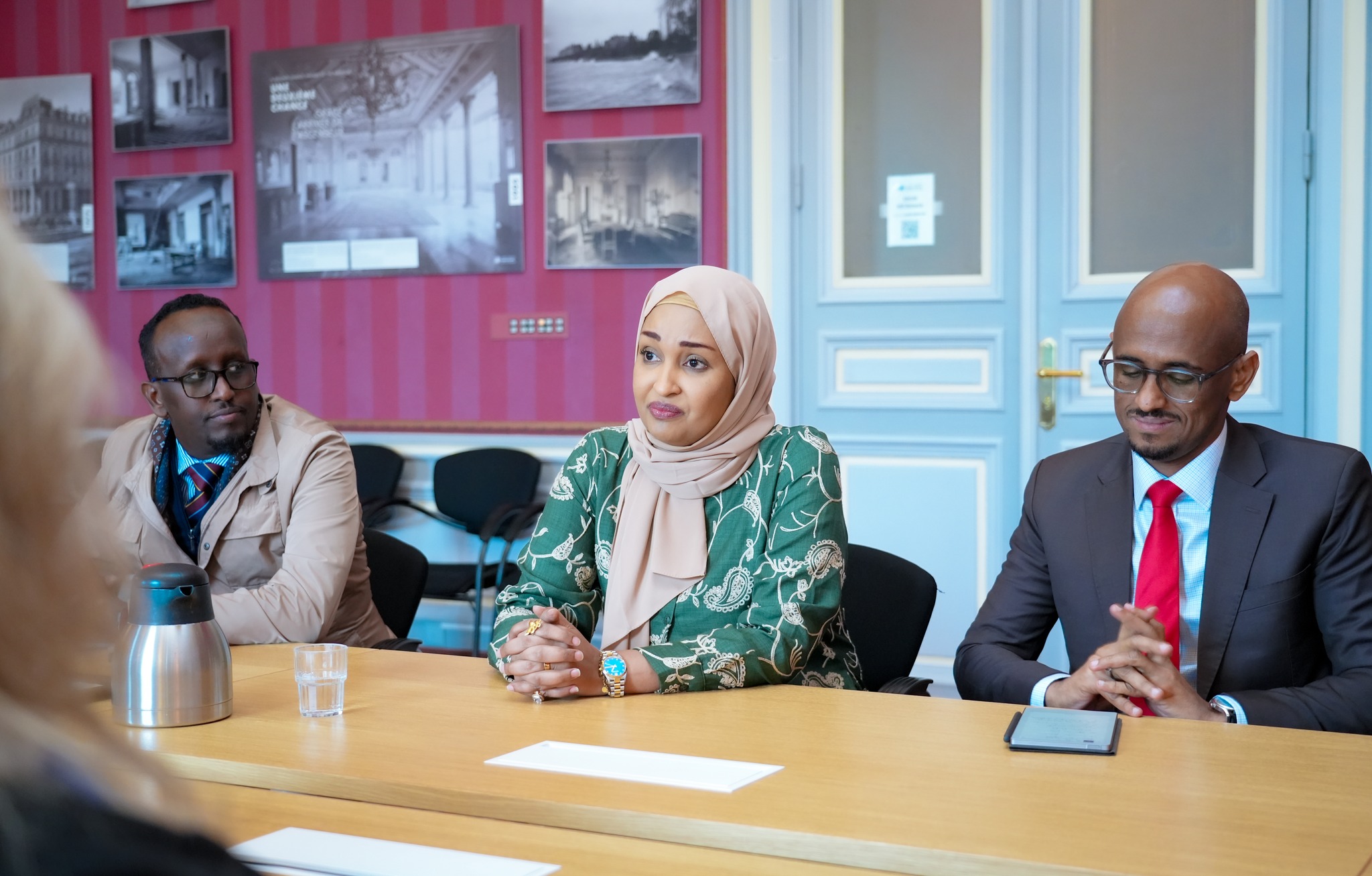
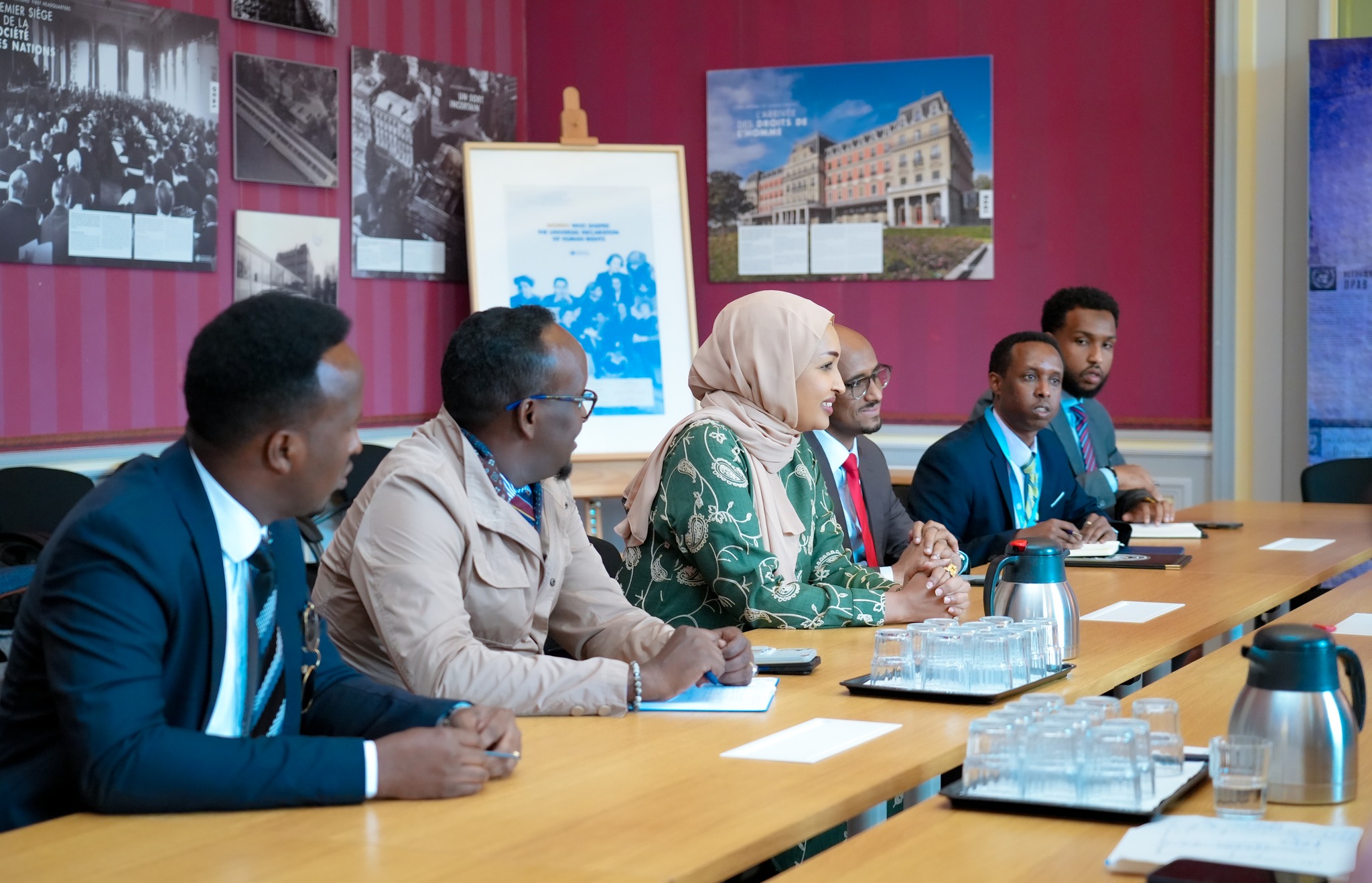
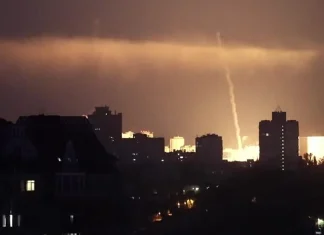
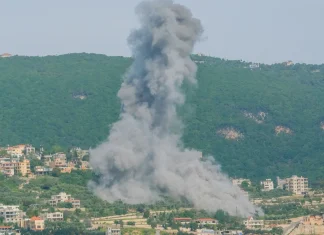
May 06(Jowhar) Dowladda Federaalka Soomaaliya oo ku guuleysatay in Soomaaliya markii ugu horeyso laga furo Xafiiska Sare ee Xuquuqul Insaanka QM (OHCHR).
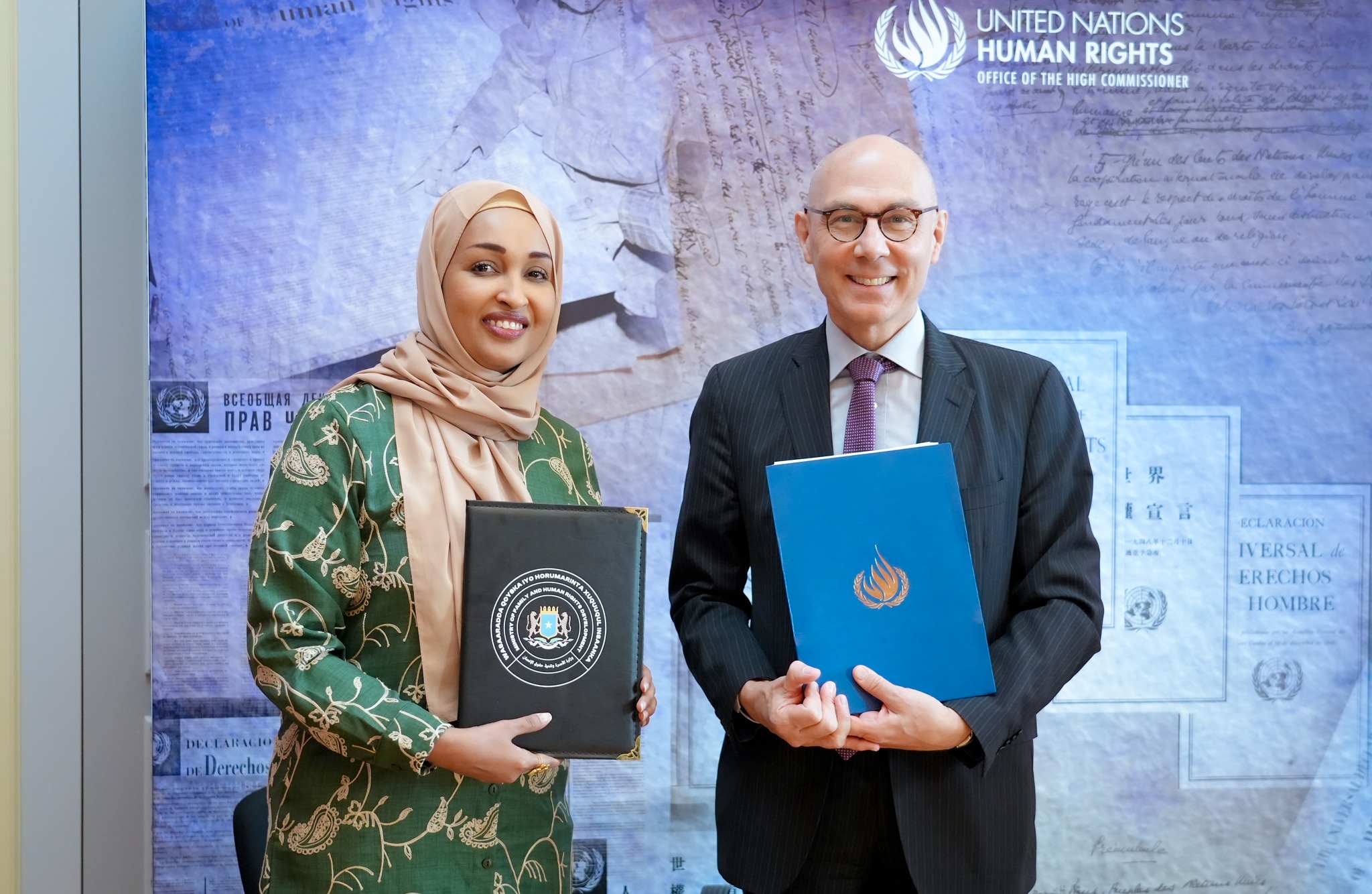
Dowladda Federaalka Soomaaliya oo ay meteleyso Wasiirka Wasaaradda Qoyska iyo Hormarinta Xuquuqul Insaanka XFS Amb Khadiija Maxamed Al-Makhzoumi iyo Xafiiska Wakiilka Sare ee Qaramada Midoobay ee Xuquuqda Aadanaha ayaa maanta oo Arbaco ah magaalada Geneva ee dalka Switzerland ku kala saxiixday Heshiis lagu Hirgelinayo Qaraarkii Golaha Xuquuqul Insaanka QM Lambarkiisu ahaa A/HRC/RES/60/28 kaasoo suntanaa lasoo wareegidii Maareynta Madaxa bannaan ee Xuquuqul Insaanka Soomaaliya, qaraarkaas oo tilmaamayey iskaashiga iyo taageerrada farsamo ee ay u baahan tahay Soomaaliya si ay u hormariso Xuquuqul Insaanka islamarkaana u maareeyso waajibaadkeeda Qaran ee Xuquuqul Insaanka iyo midka caalamiga ah.
Soomaaliya oo laga furayo Xafiiska Sare ee Xuquuqul Insaanka
1 of 5
Tani ay waxa ay ka dhigan tahay iney Dowladda Federaalka Soomaaliya markale fagaarayaasha Caalamka kasoo hoysay guul muhiim ah ayadoo dowladdu ay dadaal xooggan u gashay in markii ugu horeysay taariikhda ay QM Soomaaliya ka furato xafiiska Sare ee Xuquuqul Insaanka QM(OHCHR) kaasi oo dhowaan laga furi doono magaalada Muqdisho , tani oo noqoneysa in markii ugu horeysay taariikhda QM ay u fuliso heshiis noociisa ah mudo taasi oo ku timid dadaalka iyo ka go’naashaha Wasaaradda Qoyska iyo Hormarinta Xuquuqul Insaanka.
Soomaaliya waxaa heshiiskan u saxiixay Wasiirka Wasaaradda Qoyska iyo Hormarinta Xuquuqul Insaanka XFS Amb Khadiija Maxamed Al-Makhzoumi ayadoo dhanka QM uu u saxiixay Volker Türk Madaxa Xafiiska Sare QM ee Xuquuqul Insaanka, waxaana heshiiskan uu yahay mid Soomaaliya muhiimad gaar ah u leh maadaama dalkeenu uu ku jiro marxalad soo kabasho ah.
Magaalada Geneva ee dalka Switzerland waxaa ku sugan wafdi sare oo ka socda Dowladda Federaalka Soomaaliya oo ay hogaamineyso Wasiirka Wasaaradda Qoyska iyo Hormarinta Xuquuqul Insaanka XFS Amb Khadiija Maxamed A-Makhzoumi ayadoo wafdigaasi ay ka mid yihiin Agaasimaha Guud ee Wasaaradda Maxamed Bashiir Cumar, la taliyeyaal iyo quburrada Wasaaradda , waxaana guushani ay qeyb ka tahay dadaallada ay Dowladda Federaalka Soomaaliya ku bixisay sanad iyo barkii lasoo dhaafay hormarinta Xuquuqul Insaanka iyo maareyntiisa, ayadoo ka sokoow guushii weyneyd ee Octobar ay Soomaaliya ka gaartay Shirkii Xuquuqul Insaanka QM ee Geneva iyo dhismihii Guddiga Madaxa bannaan ee Xuquuqul Insaanka Qaranka ay tanitahay guul kale oo ballaaran.
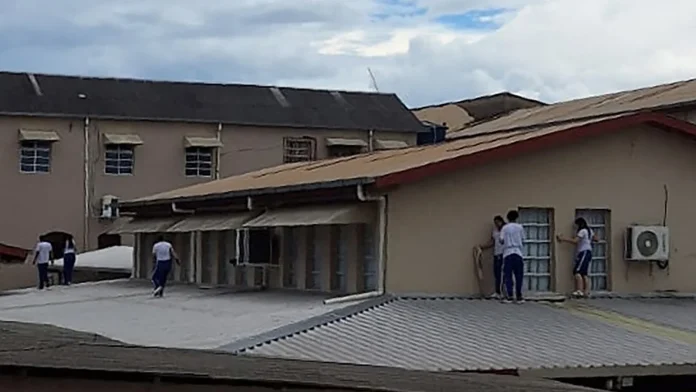
Students of Sao Jose Institute school took cover on the roof as the incident occurred
The Day the Playground Fell Silent: A School Shooting in the Heart of the Amazon
Rio Branco wakes slowly. The sun rises hot and orange over the banks of the Acre River, turning the city’s tile roofs and patches of mangrove into a shimmer. On ordinary mornings the air smells of strong coffee and frying manioc, and children walk to school in crisp uniforms, their backpacks bumping against each other like a chorus of small hearts.
On this morning, that rhythm was shattered.
At the São José Institute, a school tucked into a working-class neighborhood not far from the downtown, panic erupted when gunfire rang out inside the compound. Two school staff members were killed; two others were wounded, including a student. The local government said a 13-year-old boy was arrested at the scene. The weapon used, officials say, belonged to the child’s legal guardian, who has also been detained.
What Happened
There are details that can be recited with clinical precision: the names, the timestamps, the arrest. But those facts never carry the full weight of what it is to be in a place where children should be safe and suddenly are not.
A witness working at a hotel adjacent to the school described scenes that read like fragments from a nightmare. “The wall is six metres high,” he recalled, voice still flat with shock. “Only one person managed to jump over and take refuge here in the hotel. The others were left on the school roof trying to escape. I heard the gunshots and a lot of screaming.”
Photos and video circulating on local channels showed stretcher-bound survivors, teachers embracing each other in the drizzle of emergency lights, parents sobbing outside the gates. The governor’s office announced that classes across the state would be suspended for three days and that psychological support teams were mobilized to help students and staff cope.
Arrests and an Ongoing Investigation
Authorities say the child suspect was taken into custody without being harmed, and investigations are underway to determine his relationship to the school: whether he was a current pupil, a former student, or an outsider. The legal guardian—whose firearm allegedly provided the means—was also detained as police seek to unravel how the weapon came to be used.
“We are treating this as a criminal case and a social tragedy,” the state said in a statement, offering condolences to families and education professionals. “We will investigate thoroughly to understand the chain of responsibility.”
Voices from the Ground
In the hours after the attack, the community in Rio Branco gathered like a storm of grief and questions. At a local clinic, a teacher pressed her hands together and tried to breathe through tears. “They are children,” she said. “We trust them here. I keep thinking about lunch break, about how quiet it was—then suddenly the schoolyard was filled with running feet.”
A mother waiting outside the hospital clutched a small jersey. “My daughter called me and said, ‘Mama, we’re hiding on the roof,’” she said. “I ran. As a parent you never think—never—for a moment that something like this could happen in our little city.”
An emergency-room volunteer described the arrival of bleeding children as one of the hardest things she’d seen in years working in a region already used to scarcity. “We are used to handling injuries from traffic or accidents, but this… this changes you,” she said. “The quiet after the sirens was the worst part.”
Wider Patterns: Why This Feels Like It Could Happen Anywhere
Brazil, despite its dazzling cultural life and deep regional diversity, has been grappling with a troubling rise in school attacks. The country has known the horror of mass violence before—the 2011 Realengo shooting in Rio de Janeiro and the 2019 Suzano massacre in São Paulo remain seared into the national memory—but every new episode forces a fresh reckoning with how communities protect their children.
Experts point to a web of contributing factors: easier access to firearms in some households, gaps in mental health support for adolescents, social media dynamics that can amplify grievances, and the broader social inequality and marginalization that leaves young people without reliable anchors.
“We’re seeing the convergence of several risk factors,” said Ana Prado, a psychologist specializing in youth trauma in the Amazon region. “Adolescents with untreated mental health needs, firearms kept unsecured at home, and a culture that sometimes fails to spot warning signs early—the result is tragic and preventable.”
Facts to Keep in Mind
Authorities have confirmed two deaths and multiple injured in the São José Institute shooting.
A 13-year-old suspect was detained; the legal guardian who owned the alleged weapon is also under arrest.
State officials suspended classes for three days across Acre and deployed psychological support teams.
Brazil has experienced a number of school attacks in recent years, prompting national debates about safety, mental health, and gun access.
Local Color: Rio Branco Between the Rivers
Rio Branco sits in Brazil’s westernmost state, a place where the forest and town meet, where rubber-tapper history and the memory of Chico Mendes mingle with the hum of motorcycle taxis. People here talk about the weather, the river’s moods, and the best place for a warm tapioca. They also talk about community—the neighbor who watches your house when you are away, the aunt who helps with the children, the football team that plays on a field of rutted red earth.
It is in that communal fabric that the shock is felt most keenly. “When violence comes here, it cuts differently,” said João, a local shopkeeper who kept his store open late, turning on the TV to catch updates. “We are used to being overlooked by federal policy. But this—this screams for attention.”
What Comes Next: Questions and Choices
After the first wave of emergency response—police, ambulances, counselors—communities must ask hard questions. How can schools be made physically safer without turning them into fortresses? How do we ensure firearms are stored responsibly? Where will adolescents find the emotional and psychological support they need?
Policymakers will likely revisit debates about gun regulation, youth services, and funding for school safety programs. But change also depends on quieter, slower work: better mental health screenings in schools, community-based outreach, and training for teachers and families to recognize warning signs.
How do we balance the need for security with the need for a warm, open learning environment? What responsibilities do guardians hold when they keep dangerous items in the home? And how do communities heal after such a rupture?
Resources and Support (What the State Is Doing)
Three-day statewide suspension of classes to allow investigations and initial psychological support.
Deployment of counseling teams to provide trauma care to students, staff, and families.
Law enforcement investigation to determine the circumstances of the attack and the chain of custody for the weapon.
Closing: The Long, Tender Work of Recovery
There are images that will not leave Rio Branco for a long time: parents pressing foreheads to gates, a teacher’s uniform torn and stained, students whispering in the corners of their homes. There are also small acts of repair—the volunteer bringing coffee to exhausted counselors, neighbors offering spare rooms to families who traveled to the city in panic, a football coach organizing an impromptu practice to give children something steady to hold onto.
Violence like this forces a community to choose its story: one of despair, or one of determined repair. “We are going to rebuild,” said a school administrator, voice hoarse but steady. “Not just the walls, but the trust.”
As you read this, ask yourself: what would you do if your child’s school was suddenly a crime scene? What policies would you demand from leaders? And perhaps most urgently, how can societies better see and support their young people before tragedy strikes?
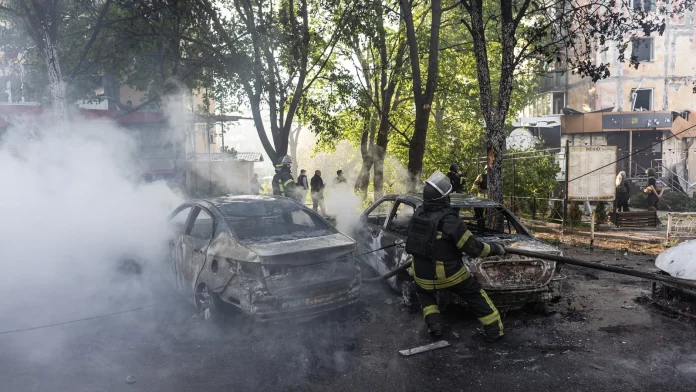
Ukraine had announced a proposal for an open-ended ceasefire starting at midnight local time
When Parades Meet Missiles: A Weekend That Refused to Pause
The morning air in eastern Ukraine smelled of spring and smoke — a strange, terrible mix that has become common in a country where seasons keep changing but the war never seems to. In towns like Kramatorsk and Zaporizhzhia, parents still wake their children for school. Firefighters still pull up to burning buildings. And in Moscow, the streets were being swept and flags hoisted for the ritual that has, for many Russians, become the heartbeat of May: Victory Day.
Then came the message from Kyiv: a unilateral ceasefire, a plea for a day of silence. President Volodymyr Zelensky framed it as a human offer — an attempt to pause killing while the Kremlin prepared its pageant on Red Square. The response from the other side was bluntly public and privately predictable: Russia pushed back, launching fresh strikes across Ukraine that same night and into the morning.
The choices that sleep in headlines
“They chose to blow up a chance to save lives,” Zelensky wrote, his words traveling the same channels as the explosions. “A full-scale war and public celebrations are incompatible.” It was a moral prod, aimed at the world as much as at Moscow. It was also, perhaps, a test: would the rituals of commemoration assert themselves above the obligations of war?
Russia’s answer was to keep firing. Ukrainian authorities reported more than 100 drones lashed at the east and south overnight, and local officials counted the human toll: at least one person dead in the latest strikes, a security guard killed at a kindergarten in Sumy, dozens more wounded, and, in the recent 24 hours, nearly 28 people killed in what Kyiv called some of the deadliest bombardments in weeks. Moscow, for its part, said it intercepted 53 Ukrainian drones during a night of air-defence claims that were, according to the Russians, fewer than previous nights.
On the ground: voices between air raid sirens
At a frontline outpost, a Ukrainian officer — speaking on condition of anonymity, as many still must — described a familiar calculus: “The enemy continued infantry raids and attempts to storm our positions. Since they did not comply with the ceasefire, we responded in kind and countered all provocations.” It is language that has become ritual too, measured and cold, but behind it are people who cook, sleep in frozen dugouts, and write letters to loved ones under the thud of artillery.
Another commander summed it up as plainly as anyone could: “An eye for an eye, a tooth for a tooth.” That stoic answer is resistance turned into policy, practiced by units whose days are counted by patrol rotations and ammunition runs. Both commanders emphasized that combat intensity remained largely unchanged, even as diplomats traded barbs in social media posts.
In Zaporizhzhia — a city of tram lines and riverfront cafes — a strike on the center left twelve dead. “There was a bus stop where people used to wait for the noon tram,” said Kateryna, a shopkeeper who watched from behind rolled-down metal shutters. “Now there is a hole in the pavement and someone’s shoes scattered by the blast. You can’t ignore what happens when your city is reduced to coordinates on a map.” Her voice caught on the last line; grief tends to do that.
Beyond borders: drones and a new geography of vulnerability
What alarms people across the region is not only the human toll but the geography of the attacks — drones buzzing hundreds of miles into Russia, strikes on Cheboksary on the Volga, claims of casualties in Crimea, and Russian strikes deep into Ukrainian cities. This is no longer purely a front-line war. Urban centers, logistical hubs, symbolic squares — all have become part of the conflict’s shifting map.
For Russians preparing to march on May 9, that has bred unease. For the first time in nearly two decades, officials announced military hardware would be removed from the parade procession — a symbolic concession interpreted by some as caution, by others as a sign of weakness. City-wide internet shutdowns, intermittent and opaque, increased the sense of nervousness: when your phone goes dead in a crisis, you feel both isolated and strangely exposed.
Numbers that don’t tell the whole story
Ukrainian officials reported more than 100 drones attacking across eastern and southern fronts overnight.
Russia’s defence ministry said it downed 53 Ukrainian drones during the night.
At least 28 people were reported killed in one 24-hour period, including 12 in central Zaporizhzhia.
Air raids and ground assaults continue despite offers of a temporary ceasefire.
Numbers help, but they also flatten. They don’t show the toddler whose bedtime routine is interrupted by sirens, the baker who closes his shop and never reopens, or the grandmother who keeps a faded photograph of relatives who never came back from the front.
Memory, theater, and the politics of commemoration
Victory Day is not merely a date on the calendar in Russia; it is a political machine and a source of collective identity. Parades, ribbons, and medals fold history into the present. For Ukrainians, the same date evokes complex memories: of sacrifice, of Soviet legacies, and of a desire to reclaim their own narrative of the past. That collision of commemorative rhythms amid an active war makes any ceasefire proposal a fraught diplomatic instrument.
“They fear drones over Red Square,” Zelensky said, reproaching the Kremlin for staging a spectacle while missiles still fell on Ukraine. Whether it’s bravado or an admission of vulnerability depends on which spectator you are — participant or bystander.
What this weekend tells us about the future of conflict
There are larger lessons here, uncomfortable ones about modern warfare. Conflicts are no longer bound by trenches and fronts. Technology compresses distance, making cities and ceremonial squares alike vulnerable. Propaganda and ritual continue to matter — they shape morale, public opinion, and the decisions of leaders. And civilians remain the most persistent variables, their lives and routines altered in ways that statistics struggle to capture.
So what should we take away? That peace proposals must reckon with ritual and symbolism, that diplomacy cannot ignore the psychological theaters of war, and that ordinary people, caught between commemoration and carnage, deserve more than slogans. They deserve safe streets, predictable nights, and a future where children’s memories are not of explosions but of school plays and summer festivals.
Will the world ever learn to separate the pomp of remembrance from the machinery of war? Or will parades always risk being the day the shooting starts, or stops — briefly, unpredictably, painfully? The answers won’t come from statements alone. They will come from ceasefires that hold, from accountability that is real, and from leaders who value the lives behind the headlines as much as the images before cameras.
Until then, people like Kateryna sweep their doorsteps and wait. They make tea at dusk. They whisper names into the night. And the rest of us watch, listen, and are asked — quietly, insistently — what we are willing to do about it.
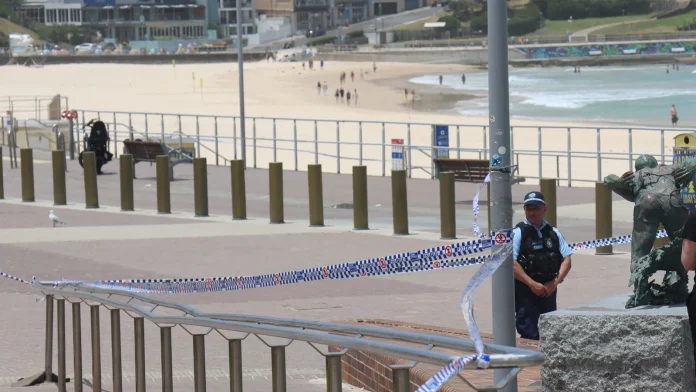
Fifteen people were killed in Australia's deadliest mass shooting for 30 years
A Celebration That Became a Line in the Sand
It was meant to be a simple, joyful scene: families, menorahs, the casual chatter of strangers warmed by a December sun and the salt-slick air of Bondi Beach. Children chased waves. Someone hammered latkes into the smell of takeout coffee. Hanukkah lights glittered against a horizon the color of blue glass.
Then the day cracked open. Gunshots — sudden, metallic, impossible — turned the laughter into chaos. Fifteen people lost their lives. Scores were wounded. The coastline, that famously open and easy place, felt suddenly small, trashed with grief and disbelief.
For a country that remembers Port Arthur and the sweeping reforms that followed, this felt like a rupture all over again: Australia’s deadliest mass shooting in three decades, and an act that has set off a national debate about antisemitism, security and how people can be radicalized in plain sight.
The Man Accused and the New Wave of Charges
Authorities say the alleged gunman, 24-year-old Naveed Akram, opened fire during the Hanukkah gathering. He has already been charged with dozens of counts — including 15 murders and terrorism — and court records now show a fresh raft of allegations: 19 additional charges ranging from multiple counts of shooting with intent to murder, to wounding with intent, and discharging a firearm to resist arrest.
Akram remains in a high-security prison and has not yet entered a plea. His father, Sajid Akram, 50, who is accused of being a co-conspirator, was shot dead by police during the attack. Police say the two had prepared carefully: firearms training in a rural part of New South Wales, videos posted months earlier showing them firing shotguns and moving in “tactical” ways, and an October recording denouncing “Zionists” in front of a flag linked to the so-called Islamic State.
“This was not the act of a moment,” said the inquiry’s chair in public hearings, Justice Virginia Bell. “It was planned. And it exposes a frightening currency of hatred that can be converted into violence in a very short space of time.”
A Community Asking How and Why
At the synagogue halls and beachside cafes of Sydney, people are scraping together explanations and consolation. A community volunteer who helped on the first night described her fury the way people do after a storm: “We try to make sense with light. That night they came for our light.”
A local lifeguard who watched the emergency crews arrive said, “Bondi is used to urgent moments — rescues, rip currents. But this felt different. There was a cruelty to it. Families, babies, old people… people who were simply living a quiet life.”
Officials have tried to answer procedural questions. Australia’s domestic intelligence agency had flagged Akram in 2019 but later assessed that he did not pose an imminent threat. The file now prompts an urgent, uncomfortable inquiry into how early warning systems are calibrated and why some flagged individuals slip off the radar.
What the Inquiry Has Shown So Far
Authorities allege months of planning, including weapons training and online radical statements.
Police released images suggesting tactical rehearsal with shotguns in regional areas.
Public hearings have been convened to examine both the immediate law-enforcement response and broader social factors.
Antisemitism in an International Mirror
What happened at Bondi did not feel isolated. In the months and years around this tragedy, community leaders and researchers had been warning of a spike in antisemitic incidents across many Western countries. Events in the Middle East — and the furious, often dehumanizing discussions that follow — have a way of translating into targeted hostility at home.
“We’re living through a contagion of hate,” said a sociologist who studies radicalization. “Conflict abroad can be a spark; online ecosystems are the accelerant. People who harbour animus find each other, amplify one another, and sometimes learn how to turn words into weaponry.”
For Jewish Australians, many of whom have deep roots in the nation’s multicultural fabric, the attack was a blow to a sense of belonging. “We’ve always considered Australia safe,” one elderly congregant said through tears. “Now our kids ask if they can still light candles at school.”
Policy Ripples: Guns, Buybacks, and Broken Consensus
In the immediate aftermath, Canberra vowed to act. New gun-control measures were announced, including a proposed nationwide buyback scheme meant to remove dangerous weapons from circulation. Yet moving from pledge to practice has proved difficult: the buyback has stalled as federal and state governments negotiate the details and politics of compliance.
Australia’s memory of Port Arthur helped create one of the world’s most effective post-shooting reforms. But this new moment highlights how policy, politics and federalism can slow even urgent change. “We can legislate,” remarked a public-safety expert, “but we also need the trust of local governments and communities to make it work.”
Questions for a Nation
There are thorny, unavoidable questions now: How do we detect and prevent radicalization without casting a net so wide it ensnares ordinary lives? How do we balance civil liberties with the need for surveillance that actually protects people? And how do societies heal when a targeted act of violence shatters everyday spaces where people gather to celebrate faith and family?
“This has to be a moment of reflection, not just reaction,” said a community organizer. “We need better social supports, better online moderation, and a national conversation about belonging.”
Small Acts, Big Meaning
At a candlelit vigil a week after the shooting, a young volunteer handed out paper stars with names of the victims. People stood barefoot on the sand, the surf whispering like a parent’s hush as strangers comforted strangers.
“When hate tries to make us small, we have to keep making light,” whispered an elderly woman, as the menorahs shimmered in the wind. Her words felt like a command and a prayer.
As the inquiry continues and court proceedings unfold, Australia — and the global community watching — will be forced to confront the harder truths that violence exposes: about identity, isolation, and the fragile architecture of safety. Will policy catch up? Will communities learn to notice and intervene earlier? Will we find ways to keep places like Bondi open and warm, without turning them into fortified zones?
These are not just Australian questions. They touch every society wrestling with the same shadows: polarized politics, online radicalization, and the ease with which anger becomes action. How will we answer them, together?
May 06(Jowhar) Golaha Mustaqbalka Soomaaliya ayaa dhexdooda ka doodaya 2 hanaan/cayn doorasho oo ay alifeen, Taas oo ay doonayaan in ay hadii ay isku raacaan ku bandhigaan shirarka dhexdhexaadin ee u dhaxeyn doona Villa Somalia iyo golaha Mustaqbalka, waxaana 2da habraac, sida aan horey u sheegnay ay leeyihiin 2 guddi doorasho, deegaan doorashooyin badan, Ergooyin cod dhiibasho ilaa Diwaangalin furan “Mid kastaaba muuqaalka ayuu uga e’eg yahay doorasho Dad-ban oo wax lagu kordhiyey uun”.
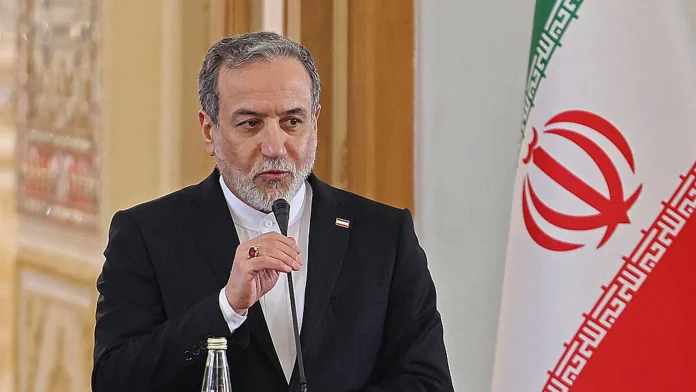
Iranian Foreign Minister Abbas Araghchi arrived in Beijing for talks with his Chinese counterpart Wang Yi
When Diplomacy Lands at Dawn: Iran’s Foreign Minister Touches Down in Beijing
The wheels of the Iranian delegation’s jet kissed the tarmac of Beijing at first light, a quiet moment that felt larger than the plane itself. Men in dark coats moved with clipped purpose on the tarmac; a row of flags—red with the emblem of China, green-white-red with the Iranian crest—fluttered in the spring breeze. For a brief instant, the diplomatic choreography was as old as history: two foreign ministers, two nations with deep, sometimes awkward ties, preparing to talk through the noise of sanctions, headlines and warships.
Abbas Araghchi, Iran’s foreign minister, had arrived to meet his Chinese counterpart, Wang Yi. “During this visit, our country’s Foreign Minister will discuss bilateral relations and regional and international developments with his Chinese counterpart,” Iran’s state-affiliated Fars news agency reported—an understated line that belies the complexity bubbling beneath.
The Stakes: Oil, Choke Points, and a Global Tightrope
This is not only a bilateral meeting. It is a scene from a larger story about energy, power and the brittle arteries of global commerce. China has been, for years, among Iran’s most important oil customers, a steady buyer even as Washington tightened the screws with sanctions aimed at cutting Tehran’s revenue streams.
The geography behind the drama is stark and simple. The Strait of Hormuz—the narrow chokepoint between the Persian Gulf and the Gulf of Oman—has long been the world’s energy bottleneck. Roughly one-fifth of the world’s seaborne-traded petroleum flows through that strait. A disruption there sends shockwaves through markets from Shanghai to Singapore to New York.
Against that backdrop, Washington’s pressure campaign has a daily, tangible human effect—on traders, on dockworkers, on ordinary families who watch petrol prices. And China, whose energy needs are immense and growing, has choices: publicly support U.S. sanctions and risk diplomatic rupture with Tehran, or quietly keep buying and protect its energy lifelines.
A Senator’s Plea and the Timing of a Presidential Visit
In Washington, Senator Marco Rubio urged Beijing to lean harder on Iran. “I hope the Chinese tell [Mr. Araghchi] what he needs to be told, and that is that what you were doing in the straits is causing you to be globally isolated,” Rubio told reporters—a blunt public nudge intended to amplify U.S. pressure.
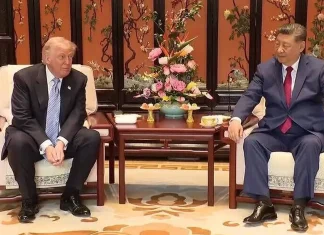
The trip came just before a planned visit to China by U.S. President Donald Trump—originally scheduled for May 14–15—delayed, American officials acknowledged, after a flurry of tensions with Iran that included U.S. and Israeli strikes. The dance of diplomacy is therefore doubled: high-level engagement between Beijing and Tehran, and a looming summit that could reshape U.S.-China ties just as the Middle East’s tectonics shift.
Voices from the Ground: What People Say When Diplomacy Is Distant
Not every important remark comes from a foreign ministry statement. I spoke—on the phone and in public squares—with people whose days are shaped by the decisions made two hemispheres away.
“China and Iran are like two old merchants in a market,” said Reza, an Iranian small-business owner who lives in Beijing’s embassy district and asked that I use his first name. He runs a Persian carpet stall that, he says, keeps Iranian motifs alive in a city of neon and scooters. “When revenues fall in Tehran, my family sees it in the price of saffron. When tension rises in the Gulf, we all wait for news from the docks.”
Li Wei, an energy analyst based in Beijing, offered another angle. “China’s priority is energy security,” she told me over a cup of tea in a bustling hutong. “We buy oil from many places. Iran is important, but Beijing tries not to be cornered into a binary choice. Every decision is about keeping our lights on and factories running.”
On the other side of the Gulf, Sahar, an elderly tea shop owner in southern Iran, pressed her hands into a chipped porcelain cup and shook her head slowly. “We hear promises from politicians, but we count the bread on our table,” she said. “Sanctions make everything smaller.”
Numbers That Anchor the Story
To make sense of these stories, it helps to anchor the narrative in data. The Strait of Hormuz carries about one-fifth of the world’s traded crude—every barrel that cannot flow through it pushes up prices elsewhere. China, the world’s largest crude importer in recent years, sources a significant share of its Middle Eastern oil by sea, and maintaining those supply routes is a strategic priority.
Sanctions have forced Iran to develop workarounds—smuggling networks, ship-to-ship transfers at sea, and buyers who are willing to accept lower transparency in exchange for discounted crude. Those methods work, to a degree, but they reduce Tehran’s official revenues and increase the risks for everyone involved.
Local Color: Tea, Carpets, and the Quiet Diplomacy of Everyday Life
In Beijing, the smell of frying dough mingles with diesel from delivery trucks. Government offices crouch near historic hutongs; tourists click photos near Red Guard-era murals. Among these textures, Iran’s presence is subtle but real: embassy staff arriving in tailored coats, modest Iranian restaurants by university campuses, and carpet rugs seen in store windows advertising “Tehran weave.”
Back in Tehran’s Grand Bazaar, an older merchant I met, Ali, folded his hands. “We watch the international meetings on a small black-and-white TV,” he said with a laugh that had no mirth. “We don’t expect miracles. But we hope—always—to trade. Sanctions make the world smaller for us.”
What This Meeting Could Mean—and What It May Not
So what should we expect from Araghchi’s visit to Beijing? Realistically: steady, cautious diplomacy. There will be communiqués reading like insurance policies—affirmations of mutual respect, promises to deepen economic ties, perhaps new trade or investment commitments designed to dodge the rough edges of sanctions. There will be no instant fix for deep mistrust—not between Washington and Tehran, or between the U.S. and China.
But the visit is a reminder that global problems aren’t solved in isolation. Energy security, economic coercion, the politics of chokepoints like Hormuz, and the daily lives of ordinary people are interlinked. A diplomat’s handshake in Beijing can ripple through a dockworker’s shift in Bushehr and a small tea shop in Tehran.
Questions to Take Home
As you read this, consider the trade-offs at play. Should energy security trump pressure campaigns meant to change a government’s behavior? Is economic isolation an effective tool in the long term, or does it entrench resentments and push states toward alternative, sometimes riskier, partners?
And finally: how do ordinary people—shopkeepers, students, factory workers—navigate policies decided in far-off capitals? Their answers are not in official communiqués; they are in the price of bread, the smell of tea, the patterns of carpets traded across continents.
Abbas Araghchi’s brief visit is, in many ways, a mirror. It reflects the practical need to keep goods moving and the political impulse to make a point. It illuminates how, in a world of fragile chokepoints and competing superpowers, diplomacy often arrives not with grand solutions, but as patient, tense conversation—spoken over tea at dawn, behind closed doors, while the rest of us watch the tides and count the cost.
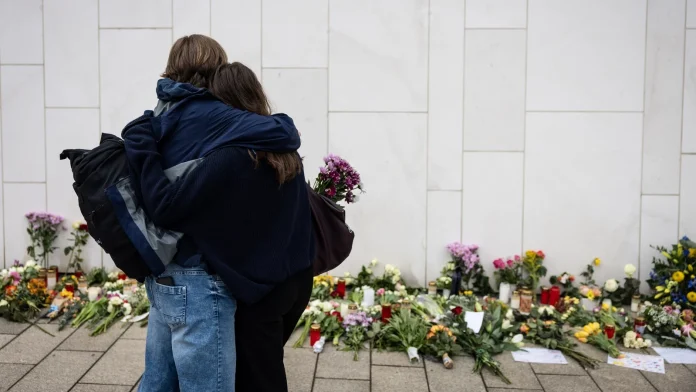
People mourning near the scene where a man drove a car into a crowd in Leipzig in eastern Germany
When a Quiet Leipzig Street Turned Into a Scene of Loss: On Cars, Minds and Public Safety
On a spring afternoon in Leipzig, sunlight warmed the pale stone facades of the old city centre. Cafés hummed. Students shuffled between lectures. Then a car, driven at speed down a main thoroughfare, fractured the ordinary.
By the time the sirens faded into the evening, two lives had been snuffed out — a 63-year-old woman and a 77-year-old man — and half a dozen more lay wounded, some fighting for their recovery. More than eighty people sought help for shock and psychological trauma. The city’s pulse skipped; a makeshift memorial of candles and flowers grew overnight beneath the shadows of the churchyard.
What happened, and what we know so far
Authorities say a 33-year-old German man steered a vehicle into a crowd in Leipzig’s historic centre. He was arrested at the scene. Prosecutors allege the attack was deliberate and that the man “wanted to kill and seriously injure as many people as possible.”
A judge has since ordered him into a psychiatric hospital, citing “compelling reasons” to suspect he acted with significantly diminished responsibility. Regional health officials say the man had recently been treated in a specialist clinic from 17 to 29 April — voluntarily — and that during that stay he was not assessed as an acute danger to himself or others.
Investigators emphasize they currently see no religious or political motive. They also note past contact this year between the suspect and police for threats and defamation-related offences, though details remain scarce.
Faces in the crowd: the human footprint of one instant
At a candlelit shrine near the scene, I found people tracing the outline of familiar streets with trembling hands. “I come here every week,” said Dalyan Unland, a 20-year-old university student, voice low. “That pavement, that bench — it’s where my friends and I meet. Seeing it like this feels like losing a small part of my life.”
Heidi Rheinsdorf, 32, had taken a day trip to Leipzig from a neighbouring town to stand with the community. “I am shocked,” she said. “There’s a helplessness that follows when something senseless happens in a place you think is safe.” A young woman, Lynn Sue Leiste, told me she fought to lay two white roses at the memorial; her sister had been on the street at the time. “People say he must be locked up forever,” she said. “But locking someone away doesn’t heal the hole he made.”
The ripple effects of violence
Beyond the victims and their families, the fallout is diffuse. Shopkeepers with boarded windows recount slow days and customers who avoid certain streets. Therapists report a spike in calls. “Trauma travels,” says Dr. Miriam Hoffmann, a clinical psychologist in Leipzig. “Even those who witnessed from a distance can carry anxiety that affects sleep, work and relationships for months.”
Why cars, and why now?
Vehicle-ramming incidents are not new, but they have acquired renewed notoriety in recent years, as attackers exploit the accessibility of vehicles and the vulnerability of crowded public spaces. Germany has seen several such attacks in recent memory — including an assault on a Christmas market in Magdeburg in 2024 — and cities across Europe and beyond have wrestled with how to protect open, civic life without turning streets into fortresses.
Urban planners and security experts note that cars are attractive instruments to those who want maximum harm with minimal planning. “A vehicle is an everyday tool,” says Stefan Krüger, a public safety analyst. “It’s pre-existing, easy to weaponize, and it allows an assailant to strike at random crowds where policing is thin.” But Krüger is quick to add that most people who own cars will never use them in this way; the acts of a tiny minority create disproportionate fear.
Mental health, responsibility and the law
This case raises difficult questions about the intersection of mental health and criminal accountability. A judge’s decision to order psychiatric treatment — rather than remand the suspect to prison — reflects legal assessments that his capacity for responsibility may have been significantly impaired at the time of the incident.
“The court’s primary duty is to balance public safety with the rights and needs of the person before it,” said Maria Neumann, a criminal law scholar. “In cases where severe mental disorder is suspected, hospitalisation can be both a protective and therapeutic measure. But it also raises anxieties: will the public feel justice has been done?”
Across the world, healthcare systems face the same question of thresholds: when does voluntary treatment become involuntary, and how can communities identify risks without criminalising suffering? The World Health Organization estimates that mental health disorders affect hundreds of millions globally, but gaps in care — and stigma around seeking help — remain profound.
Urban design, prevention and the trade-offs
As cities digest the shock, debates will re-emerge about physical measures. Bollards, retractable posts and pedestrianised zones are common responses. Yet these measures are not neutral: they reshape movement, commerce and the feel of a place.
“Security can be an act of design,” says urbanist Isabel Koch. “Well-placed infrastructure can save lives, but it’s crucial that interventions are sensitive to the life of the city. We shouldn’t create fortresses every time something terrible happens.”
Citizens are split. Some insist on more visible protection. Others fear the erosion of public life into a succession of checkpoints. Which balance do you think keeps both safety and civic freedom intact?
How a community heals
In Leipzig, healing began in small, human ways: volunteers passing out tea at the church steps, counsellors offering immediate care, strangers joining in quiet vigil. Local institutions — universities, churches, youth centres — mobilised resources to support those affected.
There are practical steps communities take after such events:
Immediate psychological first aid at the scene and in clinics;
Coordinated support services for victims and witnesses, including long-term counselling;
Public forums where questions can be asked and information shared, to reduce speculation;
Careful review of police records and health-service contacts to understand potential warning signs without breaching confidentiality.
Looking outward: what this tells us about our times
When violence arrives in ordinary spaces, it challenges a fragile bargain: that our streets are predictably safe, that strangers can move about without fear. Events like the Leipzig attack nudge societies to rethink prevention — not only through policing and design, but by investing in mental health, social cohesion and community resilience.
There are no easy answers. But these moments also reveal quieter truths about how communities respond: the willingness of people to comfort one another, to demand accountability, and to ask hard questions about the gap between seeing someone in distress and being able to help them.
As Leipzig cleans the street and reveres the names of those lost, inhabitants and outsiders alike are left to reckon with a commonplace fear: how do we live together in cities that are at once open and safe? What do we owe one another when one among us snaps under pressure? And how do we build systems to find people before tragedy finds them?
In the weeks to come, the courts and clinics will continue their work. The memorial candles will burn down. The city will begin, slowly, to stitch itself back together. For now, Leipzig stands as a reminder — that life is delicate, that urban spaces are communal, and that prevention often requires looking beyond the headlines, into the quieter public health and social investments that keep a city whole.
What would you change in your own city to make public spaces safer without sacrificing openness? How do you imagine a better crossroads between care and security?
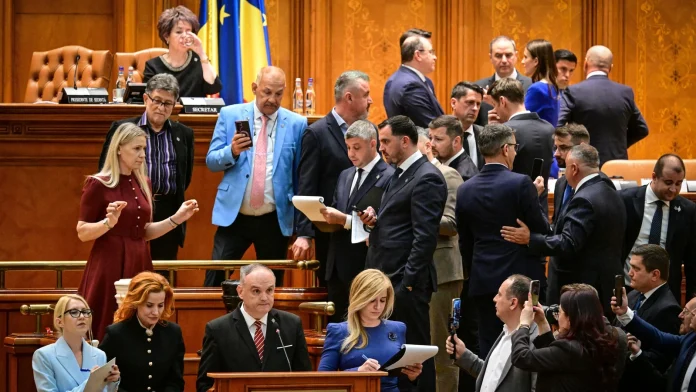
Members of Parliament watch on during the vote in Bucharest today
The Day Romania’s Short-Lived Coalition Came Crashing Down
On a gray afternoon in Bucharest, inside a parliament chamber that has known its share of drama, the lights stayed on and the microphones worked as expected. What didn’t survive was a government: Ilie Bolojan’s pro-European, four-party coalition was swept away by a no-confidence vote that felt, to those watching, like the culmination of months of political friction and economic strain.
The tally was decisive. Out of 465 MPs in the room, 281 backed the motion — comfortably above the 233 needed to topple the cabinet. It marked the formal end of a coalition that had only been in power for ten months and had been operating as a minority government since 21 April, after the Social Democrats (PSD) withdrew their support.
“You cannot tear down a house without telling people where they will sleep next,” Bolojan told reporters afterward, hands folded, voice tired but composed. “We are removing an administration; we are not presenting an alternative.”
How We Got Here: Budget Battles and Political Fault Lines
The immediate cause of the rupture was fiscal policy — a string of austerity measures aimed at slashing a swelling budget deficit. Tax hikes and spending cuts were part of Bolojan’s attempt to steady public finances, but those same measures provoked anger within the PSD, the single largest party in parliament.
Romania has been wrestling with a ballooning deficit: official figures show the fiscal gap narrowed from 9.3% of GDP in 2024 to roughly 8% in 2025 — still the highest among European Union members. For parties and voters accustomed to robust public spending, that kind of belt-tightening felt politically risky, even unbearable.
“People are already feeling the squeeze,” said Ana-Maria Ionescu, who runs a small bakery near Piața Victoriei. “When prices rise and wages don’t, politicians pay a price at the ballot box. That’s why PSD had to take a stand — or at least say they did.”
Complicating the arithmetic was an uncomfortable alliance of convenience on the day of the vote. The motion was co-sponsored by PSD and the far-right Alliance for the Union of Romanians (AUR) — two parties that insist they won’t govern together. Their temporary alignment to remove Bolojan’s cabinet has left political scars, and raised questions about future negotiations and trust among parties that might otherwise be natural partners.
Numbers That Mattered in Parliament
Votes for no-confidence: 281
Votes required to pass: 233
Coalition lifespan: 10 months
Minority government in place since: 21 April
2024 budget deficit: 9.3% of GDP
2025 budget deficit: almost 8% of GDP (highest in the EU)
What Happens Next: An Interim, a President, and a Clock
For now, Bolojan’s team will stay on in a caretaker role, their hands tied on major policy decisions. The constitution hands the next moves to President Nicușor Dan, a centrist with a clear pro-EU tilt. Mr. Dan is expected to ask a leader of a pro-European party to attempt to form a new government.
But forming a coalition in Romania is less like assembling furniture and more like negotiating a complex cultural treaty. If parliament fails to approve a nominated prime minister after two attempts within 60 days, the constitution triggers a snap parliamentary election. (Officially the next general election isn’t due until 2028.) That ticking clock will shape every negotiation, every back-channel conversation, and every public statement over the coming weeks.
“There is no quick fix,” said political analyst Dr. Radu Petrescu. “Coalitions are fragile everywhere in Europe right now. The added factor here is the PSD choosing to side with the far-right to topple a pro-EU cabinet. That creates a reputational problem: who will trust them in the next round of talks?”
Markets and the Everyday: A Currency Reacts
Markets responded with immediacy. The Romanian leu slumped to a record low against the euro in the hours leading up to the vote, a small but sharp reminder that political uncertainty has economic consequences. Investors hate unpredictability; families buying groceries, paying mortgages, or sending money abroad feel the ripple effects.
“When the leu drops, prices follow,” said Mircea Pop, owner of a small electronics shop near the university. “We import a lot. Customers complain when the same TV now costs more. The cost of instability is real, not just an abstract number in a financial column.”
Beyond currency moves, analysts warn that prolonged political instability could complicate Romania’s access to foreign capital and slow investment — just as the country needs funds for infrastructure, health, and education.
The Human Moment: Beyond Numbers and Coalitions
Walk the city and you hear fragments that explain the stakes: a grandmother haggling over bread price two tram stops from the parliament precincts; students in cafes debating whether any politician represents them; municipal bus drivers grumbling over pay. These are the textures of political life that statistics don’t capture but that shape elections and protests, trust and cynicism.
“We want stability, not theatre,” said Elena Matei, a primary-school teacher who voted in the last local elections. “People want to know what will happen to health services, to our pensions, to the road repairs the mayor promised. That’s what matters on Monday morning.”
What This Means for Europe — and for Us
Romania’s drama is not an isolated Balkan parable. It reflects wider trends across the continent: fragile centrist coalitions, the political potency of fiscal pain, and the awkward dance between mainstream parties and those on the extremes. European institutions watch carefully because instability can affect cohesion funds, infrastructure projects, and migration policies.
Are we seeing a short-term rupture that will be algebraically resolved by horse-trading in party rooms? Or is this a deeper reorientation, where voters will reward parties promising immediate relief even if that means long-term uncertainty?
As you read from afar, consider the trade-offs that democratic governments everywhere face: the urgency of fiscal responsibility versus the political cost of austerity; the necessity of broad coalitions versus the fragility of compromise. Romania is, for now, another chapter in a larger European conversation about governance under pressure.
Keep an Eye On
Who President Nicușor Dan will nominate as prime minister.
Whether parliament approves a nominee within the 60-day window.
How markets react in the coming days and whether the leu stabilizes.
Whether PSD can mend bridges with former partners after teaming up with AUR for the vote.
There is poetry in political collapse — the sudden quiet in an emptied corridor, the smoldering phone conversations that follow a decisive vote. There is also consequence: budgets to balance, teachers to pay, soup to put on the table. The coming weeks will tell whether a new, stable majority can be stitched together in Romania, or whether citizens will be asked to return to the polls earlier than expected.
Would you trust a government that had to be propped up by opponents you claim you’ll never sit with? And how much uncertainty should a society tolerate in the name of fiscal prudence? Romania’s answer will matter not just at home, but to every corner of Europe watching how democracies juggle economics, ideology, and the everyday needs of people. Stay tuned — the next act is already being written.
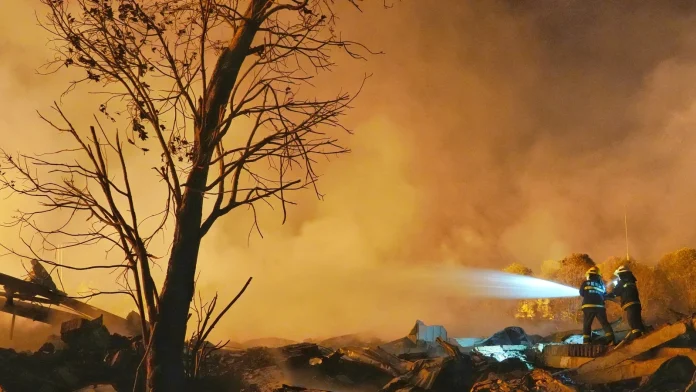
Rescue workers and excavators scour the factory rubble
When Celebration Turns to Catastrophe: The Liuyang Fireworks Blast
On an ordinary late afternoon in Hunan province, the sky above a cluster of low factories and green hills went from blue to black with smoke. At 4:43pm local time, a massive explosion ripped through the Liuyang Huasheng Fireworks Manufacturing and Display Company, sending a shock that could be heard and felt across the valley. By the time the smoke thinned, 26 lives had been lost and 61 people were wounded — numbers that read like a headline but represent families, futures, and a community left reeling.
The Moment
Witnesses described a cacophony: a series of explosive booms that sounded like rolling thunder, followed by the sight of roofs torn open and a plume of acrid, chalky smoke climbing into the air. Videos shared on social media showed continuous detonations, a sky streaked with ash, and emergency lights flashing through haze.
“It was like the mountain itself was coughing up fire,” said one neighbor, Mrs. Zhang, whose small tea shop sits a few hundred meters from the factory gates. “We ran out with our children. The air tasted of sulfur. I couldn’t recognize the road; everything was covered in powder.”
Drone footage released by state media later showed a swathe of smouldering debris where buildings had stood, rescue workers and excavators scouring the rubble for signs of life. Smoke still curled from some structures, their roofs sheared away like the petals of a splintered flower.
At the Center: People and Procedure
The local mayor, Chen Bozhang, spoke with a measured sorrow at a press briefing: “We feel deeply grieved and filled with remorse,” he said, adding that search and rescue operations were “basically complete.” Authorities established a 3-kilometre control zone around the site and evacuated residents nearby. More than 480 rescuers — firefighters, medics, and specialized teams — were rushed to the scene, guided by experts sent from the central government.
Chinese state media reported that the company’s management had been detained and that investigations were underway. President Xi Jinping urged “all-out efforts” to treat the injured and account for the missing, and demanded those responsible be held to account, signaling a top-level imperative to get answers quickly.
Liuyang: The Town That Lights the Sky
To understand why this blast feels so seismic, you have to understand Liuyang itself. This city, cradled by rolling hills and a tapestry of rice paddies, has been the pulse of China’s pyrotechnic industry for generations. Local craftspeople and large manufacturers alike shape the paper, fuse the cores, and paint the shells that become fireworks sold all over the world.
Liuyang produces roughly 60% of the fireworks sold inside China and about 70% of those exported, according to local industry figures — numbers that make its factories both economically vital and, when disaster strikes, devastating in reach. The town’s identity is woven with festivals: the smell of gunpowder before Lunar New Year, nightly displays during weddings, and a craftsmanship that is as much cultural heritage as it is commerce.
“We learn the trade from our grandparents,” said 42-year-old Li Ming, who grew up in a family that has made fireworks for three generations. “It’s how we celebrate. It’s how we feed our children. We love the colors in the sky. But the work is dangerous — we’ve always known that.”
Why These Accidents Keep Happening
Industrial accidents remain distressingly common in fireworks production in China. A string of recent tragedies underlines structural vulnerabilities: a Hunan factory blast last year killed nine; in 2023, explosions in the northern port city of Tianjin damaged residential blocks and killed three. Earlier this year, separate incidents at fireworks shops in Hubei and Jiangsu killed 12 and eight people.
Experts point to several recurring problems: facilities clustered in semi-rural zones where small workshops and larger factories mix; supply chains that pressure speed over safety; and variable enforcement of regulations. “You have a high-value, time-sensitive product made with volatile materials,” said Dr. Emily Chen, a safety analyst who studies industrial risk in manufacturing hubs. “If management shortcuts protocols or storage practices are lax, the consequences are catastrophic.”
She added, “Regulation plays catch-up, and after a major incident, inspections get tougher for a while — but without systemic investment in training, safer technologies, and community planning, the cycle repeats.”
On the Ground: Stories of Loss and Resilience
At the edges of the cordon, life continued in a quiet, fractured rhythm. A vendor selling steamed buns set up farther down the lane, his cart a microcosm of everyday defiance against the abnormal. Neighbors comforted each other with tea, rice, and the small rituals of consolation that communities invent when official answers are slow.
“We don’t know if my cousin was working that day,” said one young man, gripping a photograph. “He texted at noon and said he’d be home for dinner. He never came.” His voice stopped, then continued in a whisper: “We need more than condolences. We need change.”
Rescuers, exhausted but resolute, spoke of the visceral difficulty of searching in an environment that could still be volatile. “Every step is calculated,” said one firefighter, Wu Jian, rubbing grime from his hands. “We hoped for survivors until we didn’t. The hardest part is carrying someone out and knowing they had a life outside of this job — a family waiting.”
A Bigger Picture
Beyond the immediate human tragedy, this blast raises questions about how industrial safety is balanced with economic livelihoods, especially in regions where traditional crafts have become global export engines. It calls on policymakers to think about zoning, worker protections, emergency response training, and the economics that push small operators to cut corners.
For consumers around the world who enjoy fireworks at celebrations, the scenes in Liuyang are a sobering reminder: the dazzling arcs that light festive skies are anchored in human labor and risk. What responsibility do buyers, festival organizers, and regulators hold for the safety of those who make these spectacles possible?
Where Do We Go From Here?
The investigation into the Liuyang explosion will take time. For now, the priorities are clear: tend to the injured, support bereaved families, and ensure the safety of the surrounding community. Longer-term, experts urge systemic reforms: rigorous inspections, improved storage and handling protocols for pyrotechnic materials, and greater support for the transition to safer technologies.
“We must honour those lost not just with words but with measures that prevent a repeat,” Dr. Chen said. “That requires political will, investment, and a shift in how local economies value safety.”
As the town cleans up — as roofs are rebuilt and lives slowly attempt to stitch themselves back together — residents will continue to tell the story of that afternoon: the sound of the blast, the taste of smoke, the way strangers became family in the hours after. Their grief is immediate; their demands for accountability are clear.
What will we, as a global audience who lights the night with fireworks at weddings and New Year’s celebrations, do with this knowledge? Will we demand safer practices, transparent supply chains, and humane working conditions? Or will the next burst of color in a distant sky simply fade into memory?
Behind the Headlines: A Quiet Suburb, a Loud Verdict
There are neighborhoods in Salt Lake County where snow-capped mountains frame tidy lawns and the scent...